
"SC19"
70 article(s) found

January 26 international coffee futures 116.55 cents (pounds), Yunnan local fresh beans 14.77 yuan kg
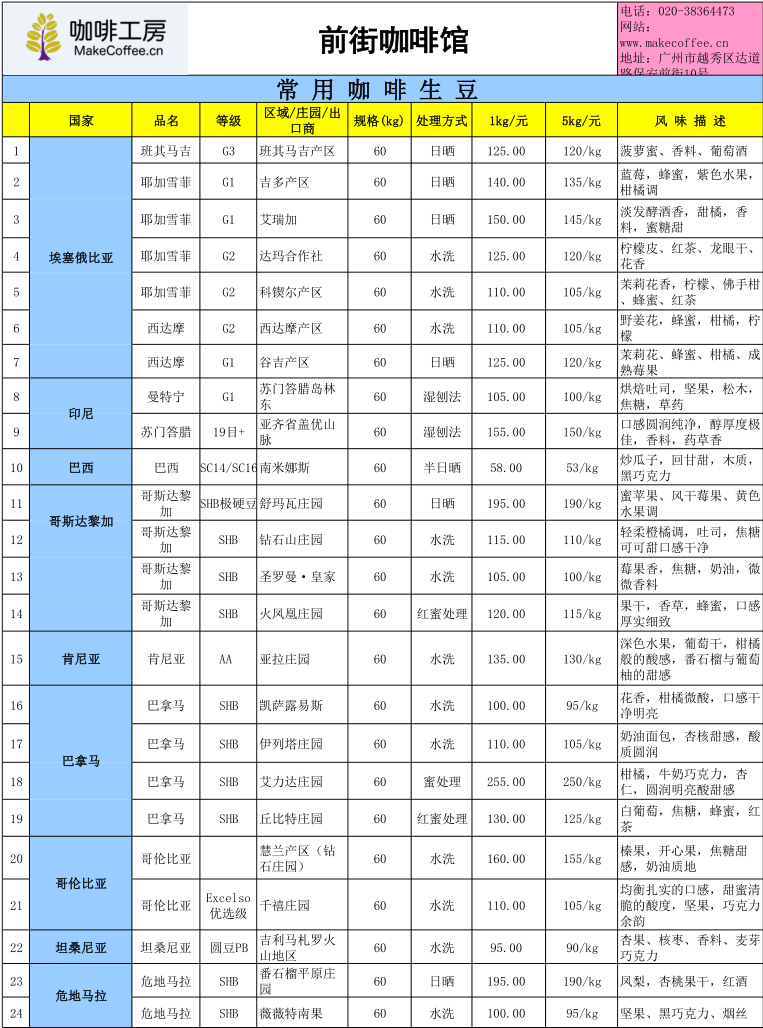
I. On January 26,2016, the latest price of international coffee futures price C-type coffee futures was 116.55 cents/pound (about RMB 16.87/kg), the opening price was reported at 114.7 cents/pound (about RMB 16.602/kg), the highest of the day was 117.15 cents/pound (16.96 yuan/kg), and the lowest of the day was 114.15 cents/pound (about RMB 16.522/kg).
January 26th international coffee futures 115.15 cents (pounds), Yunnan local fresh beans 16.57 yuan kg
International Coffee Futures Price Type C Coffee Futures the latest price is 115.15 cents / lb. the opening price is 115.4 cents / lb. the highest price for the day was 117cents / lb, and the lowest was 115.15 cents / lb, up 0% from the previous day.

Varieties of coffee beans in Tanzania, producing areas of coffee beans in Tanzania
Following caf é comments (Wechat official account vdailycom) found that the coffee beans in Tanzania, the local coffee species, opened a small shop in Beautiful Caf é. In the past, the coffee species commonly used in Tanzania were Bourbon (N.39) and Kents (KP 423). However, due to the low insect resistance and disease resistance of these two coffee varieties, the quality of the coffee could not reach that of high-quality coffee.
Knowledge about coffee raw beans classification and nomenclature of coffee in different countries
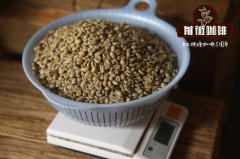
What exactly do G1, G2, G3, G4, AA, PB, SHB, SHG, EP and PLANTATION represent? The name of a coffee may contain messages such as country, producing area, variety, treatment, cup quality, bean order, bean shape or color, defect, raw bean density, etc. To really understand the naming of coffee, we must first understand the classification and classification of coffee. The grading of coffee

Indonesian Coffee in the Gayo Mountains of Aceh, Aceh, Sumatra, Indonesia
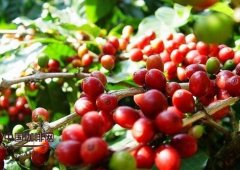
Indonesia Sumatra Ache Gayo SC19+ country: Indonesia level: G1recover19 mesh + production area: Gayo Mountain area, Aceh Province: altitude: 1100-1300 m treatment: traditional wet planing varieties: Katimo, Kaddura, Tibica, Sidikalong producer: local small farmers in Gayo mountain area: taste round and pure, alcohol thickness is excellent, spices
Indonesian Coffee flavor Sumatra Island Aceh province Jiaowu Gayo Mountains
Indonesia Sumatra Ache Gayo SC19+ country: Indonesia level: G1recover19 mesh + production area: Gayo Mountain area, Aceh Province: altitude: 1100-1300 m treatment: traditional wet planing varieties: Katimo, Kaddura, Tibica, Sidikalong producer: local small farmers in Gayo mountain area: taste round and pure, alcohol thickness is excellent, spices

Introduction to the characteristics of various coffee beans-Brazil
Brazilian coffee bean origin: Brazil Brazil baking method: City Roast grade or variety: NO.2/sc-19 coffee bean characteristics: 1. Palate: slightly bitter and sour, mild in nature. two。 Fragrance: light and elegant, the fragrance is in the middle. 3. Vision: beans with large particles, light green or yellowish beans brief description: a world's largest coffee producer and exporter, which can be called the "coffee continent".

Brazilian Syrador Coffee Bean Cup Test Flavor Taste is Brazilian Hilado hanging ear Coffee good
The exchange of professional baristas please follow the coffee workshop (Wechat official account cafe_style) Brazilian coffee beans are generally divided into five categories. Strictly Soft is very soft Soft is a little soft Softish is a little soft Hardish is not palatable Rioy iodine choking taste this Brazilian-Hirado coffee bean was tested by the local coffee association as Strictly Soft Fine Cup (very soft)
There are two ways to grade green coffee beans.
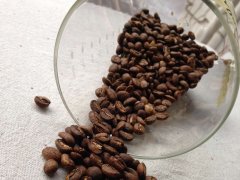
There are two ways to grade coffee beans, one is to filter the number of points, one is to elevation points. The size of the round beans is generally smaller than the flat beans, the round beans are between 8-13, and the flat beans are between 12-29. 8,9,10... 12,13... 18... 29= ,,......, Extra large. The bigger the number, the bigger the bean. SC-19, for example, is bean number 19.

Standard for grading of fine coffee beans, common sense coffee and raw beans
It is divided by the number of the filter screen, and the size is in the unit of the screen (size). Round beans are generally smaller than flat beans, between 8-13 and 12-29. 8, 9, 10. 12, 13. 18. 29 = small, medium, ordinary. Quasi-big. Big, extra large. The bigger the size, the bigger the beans. SC-19, for example, is the No. 19 bean. According to the elevation of the cultivated land, it can be divided into seven grades.

Sumatran Coffee plus Young Tavar Star 19 mesh + Mantenin Sumatra Coffee beans allusions
Professional coffee knowledge exchange more coffee bean information please follow the coffee workshop (Wechat official account cafe_style) Starbucks Sumatra Coffee Bean introduction Starbucks Sumatra Coffee Bean Story products: Indonesia Sumatra plus Young Tavar Star Mantenin 19 mesh + (Indonesia Sumatra Gayo Lake Tawar Classic TP SC19+) Flavor description: milk

Graded high-quality coffee beans
There are two ways to classify raw coffee beans, one is the filter number, and the other is the elevation. It is divided by the number of the filter screen, and the size is in the unit of the screen (size). Round beans are generally smaller than flat beans, between 8-13 and 12-29. 8, 9, 10. 12, 13. 18. 29 = small, medium, ordinary. Quasi-big. Big, extra large. The bigger the size, the bigger the beans. Like SC.
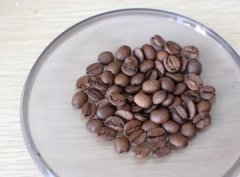
Standard for grading coffee beans
There are two ways to grade coffee beans, one is to filter the number of points, one is to elevation points. It is divided by the filter number and the size is determined by the mesh size. Round beans are generally smaller than flat beans, round beans between 8-13, flat beans between 12-29. 8,9,10... 12,13... 18... 29 = Small, Medium, Normal... It's a big... big, extra big. The bigger the number, the bigger the bean. Like SC
Grading standard of raw coffee beans
There are two ways to classify brown raw beans, one is to filter the number, and the other is to divide it by elevation. It is divided by the number of the filter screen, and the size is in the unit of the screen (size). Round beans are generally smaller than flat beans, between 8-13 and 12-29. 8, 9, 10. 12, 13. 18. 29 = small, medium, ordinary. Quasi-big. Big, extra large. The bigger the size, the bigger the beans. Like SC-1.
Classification standard of coffee raw beans for fine coffee
There are two ways to classify raw coffee beans, one is the filter number, and the other is the elevation. It is divided by the number of the filter screen, and the size is in the unit of the screen (size). Round beans are generally smaller than flat beans, between 8-13 and 12-29. 8, 9, 10. 12, 13. 18. 29 = small, medium, ordinary. Quasi-big. Big, extra large. The bigger the size, the bigger the beans. Like SC.

Quality coffee beans, knowledge, classification of raw coffee beans
There are two ways to classify raw coffee beans, one is the filter number, and the other is the elevation. It is divided by the number of the filter screen, and the size is in the unit of the screen (size). Round beans are generally smaller than flat beans, between 8-13 and 12-29. 8, 9, 10. 12, 13. 18. 29 = small, medium, ordinary. Quasi-big. Big, extra large. The bigger the size, the bigger the beans. Like SC.
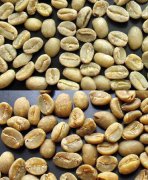
Grading of raw coffee beans
There are two ways to classify raw coffee beans, one is the filter number, and the other is the elevation. It is divided by the filter number, and the size is size in terms of the screen size. Round beans are generally smaller than flat beans, between 8-13 and 12-29. 8, 9, 10. 12, 13. 18. 29 = small, medium, ordinary. Quasi-big. Big, extra large. The bigger the size, the bigger the beans. Like SC-.
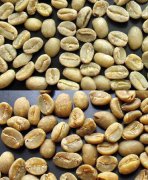
Classification of raw coffee beans in Coffee Encyclopedia
There are two ways to classify raw coffee beans, one is the filter number, and the other is the elevation. It is divided by the filter number, and the size is size in terms of the screen size. Round beans are generally smaller than flat beans, between 8-13 and 12-29. 8, 9, 10. 12, 13. 18. 29 = small, medium, ordinary. Quasi-big. Big, extra large. The bigger the size, the bigger the beans. Like SC-.
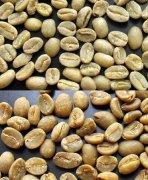
Grading of raw coffee beans there are two ways to grade raw coffee beans.
There are two ways to classify raw coffee beans, one is the filter number, and the other is the elevation. It is divided by the filter number, and the size is size in terms of the screen size. Round beans are generally smaller than flat beans, between 8-13 and 12-29. 8, 9, 10. 12, 13. 18. 29 = small, medium, ordinary. Quasi-big. Big, extra large. The bigger the size, the bigger the beans. Like SC-.
General knowledge of fine coffee beans grading of raw coffee beans
There are two ways to classify raw coffee beans, one is the filter number, and the other is the elevation. It is divided by the filter number, and the size is size in terms of the screen size. Round beans are generally smaller than flat beans, between 8-13 and 12-29. 8, 9, 10. 12, 13. 18. 29 = small, medium, ordinary. Quasi-big. Big, extra large. The bigger the size, the bigger the beans. Like SC-.