
"Simi"
127 article(s) found

Rainforest Alliance certified Brazilian Datra Manor Information semi-washed Brazilian Minas Coffee Bean Flavor
For the exchange of professional baristas, please follow the Coffee Workshop (Wechat official account cafe_style) Rainforest Alliance certified Brazilian Datra Manor Information semi-washed Brazilian Minas Coffee beans Brazil Daterra Sunrise CERRADO Brazil Daterra is a Rainforest Alliance certified Brazilian bean. Datra Manor is located in the Cerrado area of the state of Minas Gerais, Brazil.

Description of Taste and Flavor of Sun Bean in Aurea Manor, Minas, Brazil
Professional coffee knowledge exchange more coffee bean information please follow the coffee workshop (Wechat official account cafe_style) Brazil is the world's largest coffee producer accounts for about 30% of coffee production, but because Brazil is located in the tropical rain forest, the terrain is relatively flat with few high-altitude mountain forests, most coffee is grown in low-altitude non-volcanic soil, and there is not much shade as a shade.

Introduction of Manor production area by description of Brand Flavor of Minas Coffee beans in Brazil
Brazilian Minas coffee bean characteristic brand flavor description method manor production area introduction since 1999, in Brazil extraordinary cup of national treasure bean bidding activity to win the manor, South Minas is the largest number, is the backbone of Brazilian boutique coffee. As for the north-central mausoleum of Minas (Chapada de Minas) is not a boutique producing area, mostly for general commercial beans. To sum up, Nan

Flavor description of Brazilian Minas Coffee Bean introduction of varieties produced by grinding scale
Coffee was first introduced to Brazil in the early 18th century. In 1727, the Brazilian government sent a personable army officer to secretly bring coffee seeds from French Gaiana to Brazil on the pretext of mediating border disputes. It is said that the governor's wife of French Gaiana was so fascinated by the officer that he was sending them.

Characteristics, taste, flavor and cooking techniques of coffee beans in Yalding Manor in Minas, Brazil
Professional coffee knowledge exchange more coffee bean information please follow the coffee workshop (Wechat official account cafe_style) Brazilian coffee beans from BOM JARDIM Bonyardin Manor, growing in the Brazilian plateau at 1300m above sea level. In order to make his coffee beans taste better, farmer Vicente Faria specially selected different kinds of plants to make the windbreak forest of the manor.

What are the coffee beans in Brazil? what is the taste and flavor of Brazilian Minas coffee?
Professional coffee knowledge exchange more coffee bean information please follow the coffee workshop (Wechat official account cafe_style) facts have proved that Brazil also has the ability to produce gourmet coffee and small batches of coffee, local boutique coffee may not only be provided by small-scale coffee farmers, Brazil's main coffee producing areas are Sulde Minas South Minas, Matas de Minas Minas Southeast Mountain
Introduction of coffee beans in Tijuco Preto half-sun manor in Minas, Brazil
For professional baristas, please follow the coffee workshop (Wechat official account cafe_style) Minas Brazil (half sun)-Tijuco Preto Manor beans Brazil is the world's largest coffee producer, accounting for about 30% of coffee production, but because Brazil is located in the tropical rain forest belt, the terrain is relatively flat without high-altitude mountain forests, most coffee is grown in low-altitude non-volcanic soil areas.

Introduction of Manor production area by Grinding scale treatment of Bourbon Coffee beans in Minas, Brazil
Unlike in the past, Brazil's economy is less dependent on coffee, which accounts for only 8% to 10% of GDP. Before World War II, Brazil accounted for 50% or more of the world's coffee production, and now it is close to 30%. But the country's impact on the world coffee, especially on coffee prices, is significant, such as the two frost disasters in 1994.
The treatment of Brazilian Minas Coffee an introduction to the taste of the manor flavor description in the region produced by grinding scale
Brazilian Minas Coffee processing method Grinding scale production area Manor Flavor description taste introduction: at present, there are 2 million hectares of land in Brazil for growing coffee, with a maximum of more than 70% being Arabica. These beans will eventually be sent to large roasters in various countries, that is, Santos (in the name of the port of export santos, not the producing area), because of the coffee competition after 2000.

Flavor description of Brazilian Minas Fine Coffee beans introduction to the Regional treatment of Manor production
Description of the flavor of Brazilian Minas boutique coffee beans the characteristics of the regional treatment method of the manor production: exported from the port of Sao Paulo in Sao Paulo, it is the highest grade of Brazilian coffee. Beans with large grains, green or yellow are usually used for blending. It has a high aroma, moderate bitterness, sour taste like high-grade products, and the present situation of drinking coffee directly receives natural benefits.

Flavor description of Brazilian Minas Fine Coffee beans introduction to the Regional treatment of Manor production
Description of the flavor of Brazilian Minas boutique coffee beans the characteristics of the regional treatment method of the manor production: exported from the port of Sao Paulo in Sao Paulo, it is the highest grade of Brazilian coffee. Beans with large grains, green or yellow are usually used for blending. It has a high aroma, moderate bitterness, sour taste like high-grade products, and the present situation of drinking coffee directly receives natural benefits.

Main flavor characteristics of Brazilian Minas coffee beans planting strips in Minas producing area of Brazilian natural coffee beans
Professional coffee knowledge exchange more information about coffee beans please follow the coffee workshop (Wechat official account cafe_style) Sul de Minas. As the name suggests, the area is located in the south of the Brazilian state of Minas Gerais. The hills here are rugged and continuous, the climate is mild and pleasant, and the rain makes the coffee trees kiss. With the right amount of water, they can best absorb the beans.

Where are the good coffee beans in Brazil? how about coffee beans in Minas, Brazil?
Professional coffee knowledge exchange more coffee bean information please follow the coffee workshop (Wechat official account cafe_style) Brazil is the world's largest coffee producer accounts for about 33% of coffee production, but because Brazil is located in the tropical rain forest, the terrain is flatter and less high-altitude mountain forests, most coffee is grown in low-altitude non-volcanic soil, and there is not much shade as shade.
Introduction to the varieties of Minas Coffee beans in Brazil
Brazilian Minas Coffee Bean Grade Flavor description Variety introduction Fazenda Rainha (Queen Farm) is located in the Alta Mogiana region of Sao Paulo State (So Paulo), north of the city of Sao Paulo. The estate is well known in Brazil and is owned by the Carvalho Dias family. Carvalho Dias has four estates since 1999,

Description of Minas Coffee Bean Flavor in Brazil introduction to the growing environment of brands in the region
Brazil Minas Coffee Bean Flavor description Brand growing Environment Brazil is vividly likened to the giant and monarch of the coffee world. There are about 3.97 billion coffee trees there, and small farmers now grow 75% of Brazil's total coffee production. Brazil produces twice or even three times as many coffee as Colombia, which is the second largest coffee producer in the world.

Introduction to the characteristics of taste treatment method for flavor description in Brazilian Minas coffee producing area
Introduction to the characteristics of taste treatment method for flavor description in Brazilian Minas coffee producing area. Brazil is the world's largest coffee producer. Brazil accounts for about 1/3 of the world's annual coffee production (by far the world's largest coffee producer and exporter). In 2015, Brazil produced a total of 36.89 million bags of coffee (each bag of 60kg). How many cups of coffee can you imagine? The country's
Brazil Minas Pananova (Pronova Coop) Cooperative Fair Trade Association Details
Professional barista exchanges Please pay attention to Coffee Workshop (Weixin Official Accounts cafe_style ) Brazil Minas Pananova (Pronova Coop) Cooperative Fair Trade Association (FT) Brazil is the world's largest coffee producer accounting for about 33% of coffee production, but because Brazil is located in tropical rainforest areas, the terrain is relatively flat and there are few high-altitude mountains, most coffee is grown at low altitudes.

How to make coffee by hand at Yalding Manor in Minas Bon, Brazil? how to make coffee by many people?
Professional coffee knowledge exchange more coffee bean information please follow the coffee workshop (Wechat official account cafe_style) Brazilian coffee beans from BOM JARDIM Bonyardin Manor, growing in the Brazilian plateau at 1300m above sea level. In order to make his coffee beans taste better, farmer Vicente Faria specially selected different kinds of plants to make the windbreak forest of the manor. These plants
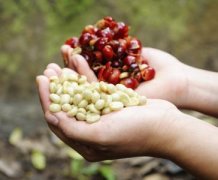
Stories and allusions of HIU Micro-batch Spring Manor washing Huang Kaduai in Minas, Brazil
For the exchange of professional baristas, please follow the Brazilian Spring Manor made by hand in the coffee workshop (Wechat official account cafe_style). 15g powder, medium grinding (small Fuji ghost tooth cutter 4 grinding), v60 filter cup, 88-89 degrees water temperature, the first water injection 30g water, 27 seconds of steaming, injection to 105g water cut off, wait for the powder bed water to half and then water injection, slow water injection until 225g water, tail

Introduction to the Variety characteristics of Brazilian Minas Sun Yellow bourbon Coffee Flavor description
Brazilian Minas Yellow bourbon Coffee Flavor description Variety characteristics introduce that the proportion of Brazilian coffee production in export income has plummeted. In the past 30 years, with the rise and development of Brazilian modern industry, especially steel, shipbuilding, automobile, aircraft manufacturing and other industries, the status of coffee in the national economy has declined year by year, but it is still one of the pillars of Brazil's economy. And Brazil is still