
"Trabocca"
358 article(s) found

Ethiopian decaf & Organic Coffee Gucci-Saxcot carbon dioxide decaffeinated
Professional baristas Please follow the Coffee Workshop (Wechat official account cafe_style) Ethiopian Gujisakot decaffeinated this organic coffee is decaffeinated only with carbon dioxide, making this coffee 100% natural and recyclable. Suke Quto Farm was established in 2005, and the original idea was to preserve the conditions of native shady forests.

A brief introduction to the treatment method of grinding degree and roasting degree of Yejia Fischer sun-cured G1G2 coffee
Flavor description: rich strawberry, ripe peach, papaya, cantaloupe, delicate acidity, purple berry aromas. Cup test score: 93 points baking degree: shallow baking (beans at the end of an explosion) recommended boiling water temperature: 93 degrees Yega Chenkee Kochel sun G1 and G2 where the difference in flavor lies in the anchor height: 1700m above sea level raw bean treatment method: Dry Process solarization international score

Description of red cherry plan characteristics and flavor description of red cherry plan characteristics description of regional characteristics of planting areas
Professional coffee knowledge exchange more coffee bean information please follow the coffee workshop (Wechat official account cafe_style) April 2012 direct coffee re-introduction of red cherry program Sidamo Cambedo (Kebado) sun-dried beans, which is Trabocca's exclusive selection of September and October harvest and processing of the freshest red cherry program Sidamo G3 sun-dried beans, produced by nearly 300 soybean farmers.

Detailed introduction of washing beans in Ethiopia red cherry plan hole plus chair cleaning station
Professional barista exchanges please follow the coffee workshop (Wechat official account qianjiecoffee) Ethiopian red cherry plan hole plus chair cleaning station to wash beans Ethiopia is the first country to discover coffee, in terms of coffee quality and output is still the most important producing country and the best, coffee is mostly traditional Arabica species, annual output is about 350000 tons and 70%

What are the coffee bean producing areas in Ethiopia?
Professional coffee knowledge exchange more coffee bean information please follow the coffee workshop (Wechat official account cafe_style) Ethiopian coffee is mainly produced in eight major areas: Ekempti, Limu, Illubabor, Djimma, Harrar, Teppi/Bebeka, Sidamo, Yirgacheffe. Ethiopian coffee is highly rated in China, especially in Ethiopia.

Description of Coffee Flavor in Sidamo Coffee A brief introduction to the varieties produced by the method of taste treatment
A brief introduction to the varieties of Sidamo Coffee, which is mainly grown around the Great Rift Valley (Great Rift Valley), with an annual output of about 225000 bags / 60kg Red Cherry Project (Operation Cherry Red) is led by the Dutch trading company Trabocca BV, partly funded by the Dutch government and opened since 2005.

Yega Chuefei Coffee characteristic taste and flavor description grinding scale variety treatment method
Yega Chuefei Coffee characteristics, taste and flavor description Grinding scale Variety treatment Faye Coffee trees were planted by monastic academics in Europe and later transferred to farmers or cooperatives. Yega Xuefei is actually constructed by the surrounding coffee communities or cooperatives, including: Hafusha, Hama, Biloya. These mountain villages are foggy, spring all year round, and a gentle breeze in summer.

Guide to the baking curve of red cherry plan description of taste and flavor of different treatments of red cherry
Professional coffee knowledge exchange more coffee bean information please follow the coffee workshop (Wechat official account cafe_style) the operation Cherrie Red Red Cherry Project (ORC) in the coffee industry is a project to improve the quality of small-scale farms, the main aim is to encourage soybean farmers and surprise roasters. Trabocca, the largest coffee bean seller in the Netherlands, invited all Ethiopia before the harvest season.

Yega Red Cherry Project Operation Cherry Red Cherry processing Plant Chelba Mill
For professional baristas, please follow the Coffee Workshop (Wechat official account cafe_style) Red Cherry Project Operation Cherry Red is a coffee quality improvement program led by Trabocca, a Dutch company. The program includes helping coffee farmers learn new coffee knowledge and upgrade their planting techniques, as well as ensuring that coffee cherries that meet the requirements have a better purchase price.

What are the coffee bean producing areas in Ethiopia? Ethiopian coffee variety.
Professional coffee knowledge exchange more coffee bean information please follow the coffee workshop (Wechat official account cafe_style) Ethiopian coffee is mainly produced in eight major areas: Ekempti, Limu, Illubabor, Djimma, Harrar, Teppi/Bebeka, Sidamo, Yirgacheffe. Ethiopian coffee is highly rated in China, especially in Ethiopia.

Kenya Nieli Ndaroini Coffee Co., Ltd. Coffee what coffee producing areas are there in Kenya
Professional coffee knowledge exchange more coffee bean information please follow the coffee workshop (Wechat official account cafe_style) Ndaroini Coffee Co., Ltd. In Swahili, Ndaroini is a place where people can spend the night. The name applies to Ndaroini sharecroppers who transport cherries over long distances to nearby Gichathaini washing stations. After a day's work, they returned

Introduction to the Origin of Coffee Flavor Grinding and Calibration treatment of Coffee Coffee from Sidamo and Yejasuffi
The Flavor Grinding Calibration method of Coffee Coffee from Sidamo and Yegashifi the origin of the coffee variety introduced that Ethiopia is a very important coffee exporter in the world, and the main producing areas are Sidamo, Yegashefi, Cochel, Hara, Jima and so on. Sidamo is the main producing area of boutique beans, and the coffee beans are famous for their excellent fruit characteristics and delicate and elegant flavor. The familiar Yega

Yega Chuefei Red Cherry Project Story Chelba Charbaye Coffee beans characteristics
For the exchange of professional baristas, please follow the coffee workshop (Wechat official account cafe_style) Product name: Yega Sheffield Gedeo Chalba Yirgacheffe Gedeo Chelba Home: Ethiopia Ethiopia producing area: Yega Sheffield Gedeo Yirgacheffe Gedeo and other grades: Grade 1 treatment method: sun treatment Natural Process species:

Ethiopian Coffee Bean: COE22 Coffee Bean and Sun-Red Cherry Coffee Bean Flavor Description
What is the difference between Ethiopian coffee beans COE22 and sun-dried red cherries? From coffee bean history differences, Cup of Excellence short for COE, a fine coffee rating system. The origins of the Cup of Excellence system: The reason why producers have incentives to grow high-quality coffee is not just that I want to grow delicious coffee! This kind of self-awareness, but also have high profits

Chocolate aftertaste of Ted manor fine coffee beans varieties planting market price profile
Coffee farming villages produce about 35 percent of the country's coffee. These coffee farms, which use a multi-tiered coffee growing system, are carefully cared for. Coffee farmers do not use chemical fertilizers, but use fallen leaves, plant and animal debris to increase soil nutrients. In addition to coffee, farmers also frequently grow non-coffee crops. Even the national coffee total

The difference between Yega Chuefei and Candlestick Coffee beans
The difference between Yega Chuefei and Candlestick Coffee beans Sidamo Candlestick flavor is followed by the use of tall wooden frames or whole scaffolding for sun exposure to avoid the risk of beans smelling on the ground. In the process of exposure, take good care of the beans so that the coffee beans can be evenly exposed to water; every three to five days, coffee workers will manually screen the defective and moldy beans.

The sweet taste is obvious. Ted Manor Boutique Coffee Bean Variety Planting Market Price Profile
Ethiopians love coffee, with an annual per capita coffee consumption of 3 kg. Ethiopia ranks first in coffee consumption in Africa and, if compared to European countries, is also in the middle and upper ranks of European coffee consuming countries. Ethiopia now produces coffee not only for drinking, but also for the enjoyment of coffee lovers all over the world.

Yerga Shefi and Sidama Coffee Difference Flavor Taste Variety Characteristics Manor Origin Introduction
Shakisso is located in Guji, south of Oromia, next to Sidama and Gedeo. Shakisso/Shakisso coffee has quite unique characteristics, and the coffee produced has repeatedly received market attention. Ninety Plus 'legendary bean (nekisse) originally came from Shakisso.
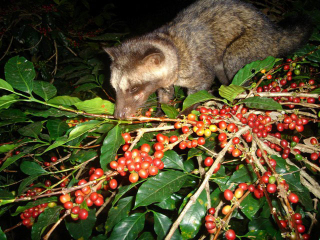
Is Kopi Luwak really cat shit? Description of the flavor and taste of cat poop coffee beans
Professional coffee knowledge exchange more coffee bean information Please pay attention to coffee workshop (Wechat official account cafe_style) Coffee is a kind of crop, the common treatment methods are washing, tanning, honey treatment, etc., the coffee produced by good quality, good flavor, is a very good coffee. But in recent years, there has been a

Unique and mellow Ted Manor Fine Coffee Bean planting situation, Geographic location, Climate and altitude
Ethiopian coffee beans grow in close to the natural environment, after years of planting under the same growth conditions, Ethiopian coffee beans have gradually adapted to the environment here. More than 60% of coffee beans are grown in forests or semi-forests. Large-scale coffee-growing villages account for about 35% of the country's total coffee production. Many of these are used.