
"central"
31540 article(s) found
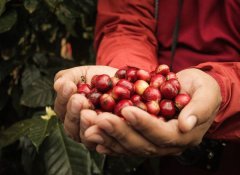
Costa Rica where coffee beans are grown in Central and South America.
Costa Rican coffee cultivation was introduced by Cuba in 1779 and exported for the first time in 1820. There are about 32000 coffee farmers, with an average planting area of less than one hectare (10000 hectares) per farmer. Costa Rica has a population of 41 billion (2006), with a coffee planting area of 82500 hectares and an annual production of 1.7 million bags (60kgs per bag). The annual domestic consumption is 380000 bags.

Coffee fragrant "China Street" the image of coffee shops in the old days
China Street in the early 20th century in the 1930s Central Street (renamed Central Street in 1928) as Harbin people know, at the beginning of the last century, the Central Street has been a mixture of Chinese and foreign prosperity. But do you know the name of the first western restaurant here, and when was it built? As early as 1900, there was already a Russian-owned western restaurant on Central Street.

Costa Rica Central Valley | Finca Dona Daisy Donna Daisy Farm Red Honey treats Rose Summer
Professional coffee knowledge exchange more coffee bean information please follow the coffee workshop (Wechat official account cafe_style) Costa Rica Central Valley | Finca Dona Daisy Donna Daisy Farm Red Honey processing Rose Summer Flavor? Donna Daisy Farm (Finca Dona Daisy) is located in San Jose, a canyon producing area in central Costa Rica, at 1700 above sea level.

How to choose coffee beans Costa Rica Central Valley Fire Phoenix Manor red honey processing SHB grade coffee
Located in the fertile hills of the Poas Volcanic Valley in Central Costa Rica, the Phoenix Estate is the first producer of honey-treated and sun-cured coffee in Central and South America. It is a 100% organic coffee estate. The owner believes that organic farming is the better choice for environmental protection and family health, even if it faces many technical and organizational challenges.
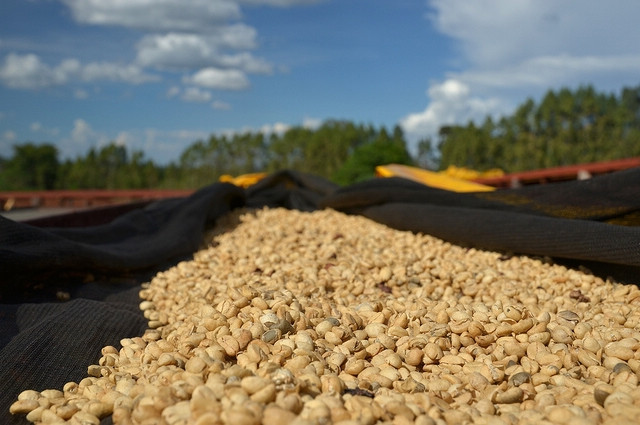
Royal Coffee processing Plant in St. Roman, a country grown in Central America, Tarazu, Costa Rica.
Costa Rican coffee cultivation was introduced by Cuba in 1779 and exported for the first time in 1820. There are about 32000 coffee farmers, with an average planting area of less than one hectare (10000 hectares) per farmer. Costa Rica has a population of 41 billion (2006), with a coffee planting area of 82500 hectares and an annual production of 1.7 million bags (60kgs per bag). The annual domestic consumption is 380000 bags.

Central American coffee brand Costa Rica Tarazu flavor rich chocolate nut pleasant aroma
Professional coffee knowledge exchange more coffee bean information please follow the coffee workshop (Wechat official account cafe_style) front street-Costa Rica Tarazu introduction is located in the Central American isthmus, latitude 10 north, longitude 84 west. It faces the Caribbean Sea to the east and the North Pacific Ocean to the west. Costa Rica is located in the volcanic belt of the low latitudes of Central America, with the central plateau and mountains about 800 to 2000 meters above sea level.

Coffee Culture Coffee Culture in Central and Northern Europe
The coffee culture in central and northern Europe is not as enthusiastic as the Italians or as romantic as the French. People in central and northern Europe drink coffee rationally and gently, just like their organized national characteristics.

Nicaraguan Coffee Industry introduces Fine Coffee Matagalpa Central Central America
Now that Nicaragua is facing a crisis in the coffee industry, most coffee farmers reflect on the shortcomings of the original mode of production. "sometimes the crisis can divide the hearts of the people, but sometimes it can also unite the hearts of the people," he said. Many Nicaraguan coffee farmers find that they can survive if they join cooperatives, organic certification schemes, or fair trade associations. "Bacon and

Coffee Culture in Central and Northern Europe basic knowledge of fine coffee culture
The coffee culture in central and northern Europe is not as enthusiastic as the Italians or as romantic as the French. People in central and northern Europe drink coffee rationally and gently, just like their organized national characteristics. European life and coffee have become almost inextricably linked, except for the distinctive coffee culture in Italy and France, from Austria and Switzerland.
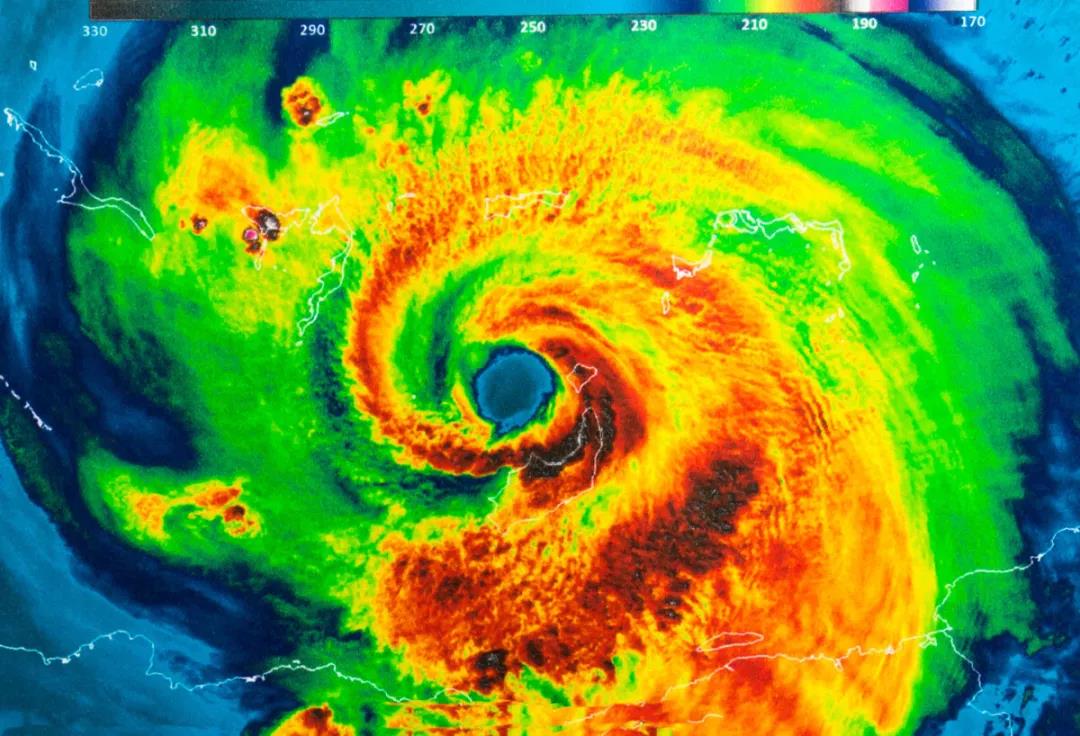
The hurricane hit the Central American producing area and reduced the production of coffee beans in many countries in Central America to varying degrees.
Professional coffee knowledge exchange more coffee bean information please follow the coffee workshop (Wechat official account cafe_style) on November 3, 2020, Category 4 Hurricane ETA (later downgraded to a tropical storm) made landfall in Central America. The hurricane caused varying degrees of losses in Nicaragua, Guatemala, Honduras, El Salvador and Panama, as well as Costa Rica, Mexico and Jamaica.

Characteristics of coffee beans in Africa, Central and South America and Asia where do the best coffee beans come from
Professional coffee knowledge exchange more coffee bean information please follow the coffee workshop (Wechat official account cafe_style) African coffee beans, Central and South American coffee beans, Asian coffee beans characteristics summary: 1. Africa: the flavor of African coffee beans is strong. Take the aroma of fruit and flowers as the main axis, supplemented by other aromas. And the flavor level is distinct. The ones we are most familiar with are Yegashev and Ken

Introduction of coffee characteristics of Central American coffee beans
Professional coffee knowledge exchange more coffee bean information please follow the coffee workshop (Wechat official account cafe_style) Central American coffee Central America is the land bridge connecting North and South America there are seven countries, namely Belize, Costa Rica, El Salvador, Guatemala, Honduras, Nicaragua and Panama. Coffee is produced in seven countries in Central America, including Guatemala and Costa Rica.

A big country of fine coffee in southern Central America-- an introduction to the origin of fine coffee in Costa Rica and Central America
Guide to Caxiang: I haven't told you about the country where coffee is produced for a long time. Let's take a look at the coffee cultivation in Costa Rica today. The editor has something to say: Costa Rica first entered the editor's eyes when he did not know which year's World Cup, Costa Rica played against China, and then. China lost. Costa Rican coffee cultivation was introduced from Cuba in 1779 and only in 1820.

Nicaraguan Coffee Variety in Madaguelba Coffee producing area
For more information on coffee beans, please follow the Coffee Workshop (Wechat official account cafe_style) Central America is a land bridge connecting North and South America. There are seven countries, namely, Belize, Costa Rica, El Salvador, Guatemala, Honduras, Nicaragua and Panama. Coffee is produced in seven Central American countries, including Guatemala, Costa Rica and Acer.

Smooth and smooth Dominican Coffee Flavor and Taste introduction to the Fine Coffee production area
There are four major mountains in Dominica. The Cordillera Septentrional (northern mountain range) extends westward from the base mountain city on the northwestern border of Haiti to the northeastern Samina Peninsula. Cordillera Central (Central Mountains) extends from the multinational west of Haiti to the central part of the island of Spain, and gradually slows down to the south, du in the Central Mountains.

Coffee flavor of Tianqi Manor in Matagalpa, Nicaragua, central Central America.
When tasting Nicaraguan coffee, it is best to drink cold water first, so that you can better feel its mellow taste. Drink coffee while it is hot, because the tannins in Nicaraguan coffee are easy to change during cooling, and the taste becomes sour, which will affect the flavor of the coffee. You can add the right amount of sugar, and then add cream. Enjoy a cup of high quality Niga

Hand flushing technique-central water injection
I have been using the central water injection method since I touched the hand, that is, I only inject water in the center without spreading it, and a small hole will be formed after extraction.
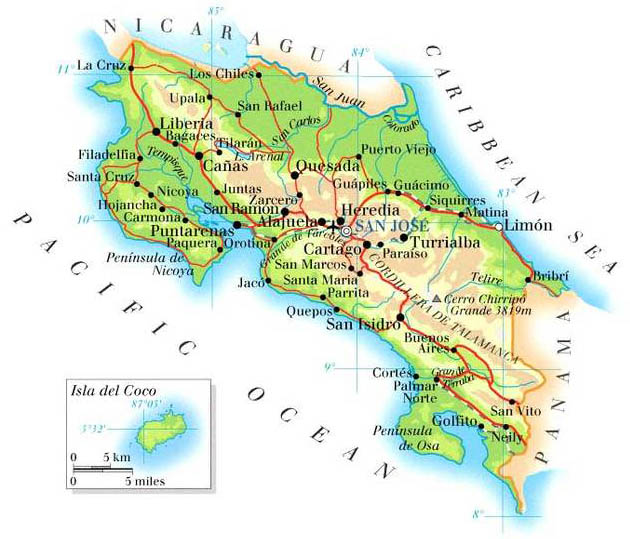
A big country of fine coffee in the south of Central America-- an introduction to the origin of Central American coffee in Costa Rica.
Guide to Caxiang: I haven't told you about the country where coffee is produced for a long time. Let's take a look at the coffee cultivation in Costa Rica today. The editor has something to say: Costa Rica first entered the editor's eyes when he did not know which year's World Cup, Costa Rica played against China, and then. China lost. Costa Rican coffee cultivation was introduced from Cuba in 1779 and only in 1820.

Nicaraguan Coffee Coffee beans from Central America
Nicaragua is located in central Central America, bordered by the Pacific Ocean to the west and the Caribbean Sea to the east. The highlands in the north and the coastal plains in the east are part of the Central American volcanic belt. The eastern plain is high-temperature and rainy, with a tropical maritime climate. The suitable climate provides an excellent growth environment for the cultivation of coffee. High-quality Nicaraguan coffee, grown in the north and middle of the country. Coffee is Ni.

Coffee hand flushing technique: central water injection
Many friends feel that the central water injection method may not be able to extract completely, but my feeling is that the central water injection can extract completely, but the immersion method will be lighter.