Nordic and Central European Coffee Culture Explained
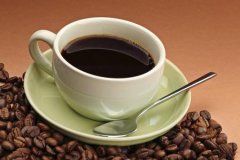
Ever wondered why Nordic and Central European coffee drinkers seem so restrained—no theatrical espresso shots, no sugary syrups? Their approach is quiet, deliberate, and steeped in moderation. Unlike the bold theatricality of Italian espresso or the romance of French café culture, these regions favor a calm, balanced coffee experience. If you've ever visited Vienna, Copenhagen, or Stockholm and noticed how coffee is treated more like a daily ritual than a performance, you’re witnessing a cultural norm shaped by history and national character.
On average, people in Nordic countries drink over 1,000 cups of coffee per year—that’s among the highest rates globally. They prefer medium-strength coffee, often black, and almost always paired with something sweet. That’s the essence of Central and Northern European coffee culture in a cup.
What Defines Nordic and Central European Coffee Habits?
Coffee in Central and Northern Europe is less about flair and more about consistency. People in countries like Austria, Switzerland, Germany, Denmark, Sweden, Norway, and Finland approach coffee with a sense of order and moderation. Their taste preference leans toward medium roast profiles and balanced flavor—nothing too acidic, nothing overly bitter. The coffee culture here prizes simplicity, routine, and the social role of coffee as a daily companion, often accompanied by pastries or light desserts.
How Do People Brew Coffee at Home?
In homes across these regions, simplicity reigns. The most common brewing methods are:
- Paper drip filtration : A method originating in Central Europe, credited to German housewife Melitta Bentz in the early 1900s. This is the same pour-over technique now beloved by specialty coffee fans worldwide.
- Standard drip coffee makers (Drip Coffee Maker): Common electric brewers found in many households, similar to those used in North America and East Asia.
These methods highlight clarity and balance, allowing the inherent qualities of the coffee bean to shine without excessive manipulation.

What’s Different About Coffee Shops in These Regions?
In cafés, the coffee experience is just as structured. Menus typically list black coffee and coffee with milk as separate items, often with different prices based on portion size. Milk, sugar, and coffee are not automatically combined—they’re offered à la carte. This reflects a cultural value placed on individual choice and precision.
Another key difference: the dominance of espresso-based drinks in commercial settings. While home brewing favors filtered methods, cafés use espresso machines to serve drinks quickly and consistently. However, the beans used tend to produce medium-bodied, balanced espresso shots rather than intense, dark roasts.
Why Is Coffee Always Paired With Pastries?
In countries like Austria and Switzerland, coffee isn’t just a drink—it’s part of a culinary experience. These nations are famous for their confectionery and baked goods, and it’s customary to enjoy coffee with a slice of cake, strudel, or pastry. This pairing turns coffee time into a small celebration of taste and tradition, reinforcing coffee’s role as a social lubricant.
Frequently Asked Questions
What is the average coffee consumption in Nordic countries?
Nordic countries have some of the highest coffee consumption rates in the world, averaging over 1,000 cups per person per year. This places them among the top coffee-drinking nations globally, reflecting both cultural attachment and daily ritual.
What brewing methods are most common in Central and Northern Europe?
At home, people commonly use paper drip filtration (pour-over) and standard electric drip coffee makers. Both methods prioritize clarity, balance, and a medium-strength cup. These techniques originated or became widely adopted in Central Europe.
Do people in Nordic countries drink their coffee black or with milk?
Many prefer black coffee, but milk is widely available and often ordered separately. Cafés typically list black coffee and coffee with milk as distinct menu items, sometimes with pricing based on size. Customization is key.
Why is espresso more common in coffee shops than at home?
Espresso machines allow for fast, consistent service in high-volume settings. While households lean toward pour-over and drip methods, cafés use espresso for efficiency. The roasts are generally medium rather than dark, offering a more balanced cup.
Is coffee always served with dessert in these countries?
It’s very common. Countries like Austria and Switzerland have rich baking traditions, and coffee is often enjoyed alongside cakes, pastries, or cookies. This pairing is a deeply rooted cultural habit, turning coffee breaks into small shared pleasures.
Recommended FrontStreet Beans for Pour-Over and Filter Coffee
For fans of the moderate, clean profiles favored in Nordic and Central European coffee culture, FrontStreet Coffee offers several excellent pour-over options. Start with BrazilBourbon (Red Bourbon from Sidelao), a medium-roast bean with a smooth, rounded body, mild acidity, and notes of caramel and nuttiness. For brighter, fruitier cups, try ColombiaSidra (Sidra) from Finca La Línea, featuring sweet tones of tropical fruit and a juicy mouthfeel thanks to its double anaerobic natural process. Alternatively, EthiopiaGedeb (Gedeb) Yirgacheffe offers a classic light roast with citrus, floral, and tea-like qualities. All three are ideal for filter brewing and align with the balanced, medium-strength coffee preferences of the region. Freshly roasted within 5 days · Orders placed before 17:00 ship the same day · Next-day delivery across most of Guangdong Province.
FrontStreet Coffee is a long-established specialty coffee roaster in Guangzhou China, selling freshly roasted beans from its own farm in Yunnan as well as dozens of carefully selected single-origin beans from around the world for both pour-over and espresso. The products deliver consistently excellent quality and great value, with shipping within 24 hours. Guangzhou's FrontStreet Coffee shop is recommended by many coffee lovers, and the beans are now available online at the Tmall 。
Important Notice :
前街咖啡 FrontStreet Coffee has moved to new addredd:
FrontStreet Coffee Address: 315,Donghua East Road,GuangZhou
Tel:020 38364473