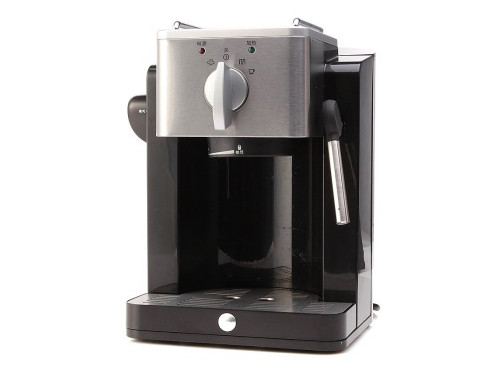
What Makes Italian Espresso So Bold and Passionate?
In Italy, coffee isn’t just a drink—it’s a ritual. Whether you’re sipping a shot standing at a crowded bar or watching locals down cup after cup before noon, the intensity of Italian coffee culture hits you immediately. But what makes that shot of espresso so famously bold, dark, and undeniably addictive? And why does every Italian seem to swear by it?
The answer is simple: traditional Italian espresso is a 50ml shot made with just 6–8 grams of extremely dark-roasted coffee, extracted in under 10 seconds. That’s it. Fast, strong, and designed for maximum impact in minimal time.
What Is Italian Espresso, Really?
Espresso—spelled with an “x” and pronounced with an Italian accent—is the foundation of Italian coffee culture. It’s a thick, dark shot of concentrated coffee topped with a reddish-brown foam called crema. This isn’t your slow-dripped coffee. Espresso is brewed under high pressure (around 9 bars) using finely ground coffee, producing a small but powerful drink in just seconds. The result? A bold, intense flavor that’s meant to be consumed quickly, usually in two or three sips.
How Italians Actually Drink Coffee
In Italy, coffee is more than a morning habit—it’s a daily companion. The average Italian drinks around 20 cups of coffee per day, often standing at the bar. The classic espresso is consumed quickly, usually standing up, and costs around 400 lire (equivalent to roughly NT$10 or a few USD). Espresso bars—called “BAR” in Italy—are everywhere, serving coffee that’s fresh, fast, and fiercely flavorful.
Italians don’t linger over coffee like in cafés elsewhere. They drink it fast, often on the go or during a quick break. A typical routine might include an espresso first thing in the morning, another mid-morning, one after lunch, and then several more throughout the day. For Italians, coffee is fuel—strong, effective, and deeply cultural.
Why Is Italian Espresso So Dark and Strong?
The secret lies in both the beans and the roast. Italian espresso is made using some of the darkest-roasted coffee beans in the world. This deep roast is essential to stand up to the high-pressure extraction of the espresso machine. With a brew size of just 50ml and only 6–8 grams of coffee, the concentration is incredibly high, resulting in that signature thick body and bold taste.
This roast profile also complements the mechanics of Italian espresso machines, which force hot water through tightly packed coffee at high pressure. The result is a shot that’s not just strong in caffeine, but intense in flavor and texture. Contrary to what some believe, this small dose isn’t harsh on the stomach—in fact, many Italians claim it aids digestion.
What About Milk? Enter the Cappuccino
While traditional espresso is enjoyed black, many Italians pair it with milk—most famously in the form of a cappuccino. Made with the same intense espresso base, a cappuccino adds steamed milk and a layer of creamy foam. The milk is heated using the steam wand of the espresso machine, reaching temperatures above 130°C (266°F), which creates microfoam perfect for topping the coffee.
The classic cappuccino is one-third espresso, one-third steamed milk, and one-third foam. The result is a sweeter, creamier drink that balances the boldness of the espresso. In Italy, cappuccinos are almost always consumed only in the morning—Italians rarely drink milk-based coffees after a meal, believing it upsets digestion.
Crema: The Heart of a Good Espresso
That reddish-brown foam sitting atop your espresso? That’s crema—and it’s a crucial part of the experience. Crema isn’t just foam; it’s a complex mix of emulsified coffee oils, tiny air bubbles, and carbon dioxide released from freshly roasted beans. It gives the espresso its signature color, texture, and aroma. The darker and richer the crema, the better the extraction—generally speaking.
Crema forms under high pressure and temperature, which is why it’s almost exclusive to espresso. It not only affects the look but also contributes to the flavor profile, softening the bitterness and enhancing the aroma. Without crema, something’s off—either the grind, the pressure, or the freshness of the beans.
What Kind of Coffee Beans Work Best for Espresso?
Not all coffee beans are created equal when it comes to espresso. Italians traditionally use dark-roasted blends designed to produce bold flavors and rich crema. These beans are usually a mix of arabica and robusta, with the latter adding body, crema, and a deeper, more intense taste. Robusta beans have higher natural oil content, which contributes to a thicker crema and bolder mouthfeel.
Freshness matters, too. Freshly roasted beans release more carbon dioxide during brewing, which helps form crema and enhances extraction. That’s why Italian-style espresso often uses beans roasted to a medium-dark or dark level, ensuring both flavor punch and crema stability.
Frequently Asked Questions
How much coffee is used in a traditional Italian espresso?
A traditional Italian espresso uses 6–8 grams of finely ground coffee per 50ml shot. This small amount is key to achieving the intense concentration and strong flavor characteristic of Italian-style espresso.
How long does it take to make an espresso in Italy?
An espresso is typically extracted in under 10 seconds using an espresso machine under high pressure. The entire process—from ordering to drinking—is designed to take just a couple of minutes, often standing at the bar.
Why is Italian espresso served so quickly?
Italian espresso is a fast, efficient drink meant for quick consumption. Italians often drink it standing up at a café bar, consuming the shot in just two or three sips. The culture emphasizes speed, simplicity, and strong flavor in a short time.
What is crema and why is it important?
Crema is the reddish-brown foam on top of an espresso, formed by emulsified coffee oils, air bubbles, and carbon dioxide. It enhances aroma, softens bitterness, and indicates a well-extracted shot. Good crema is a sign of quality and freshness.
Can you drink cappuccino after a meal in Italy?
No, in Italy it’s uncommon to drink cappuccino after meals. Cappuccinos are considered a morning drink, typically consumed only until around 11 a.m. Milk-based coffees after eating are believed to disturb digestion.
What roast level is used for Italian espresso?
Italian espresso is made with very dark-roasted beans, often a blend of arabica and robusta. This dark roast creates bold flavors, helps form crema, and works well with the high-pressure extraction of traditional espresso machines.
Recommended FrontStreet Beans for Espresso
For authentic Italian-style espresso, try FrontStreet Coffee’s Classic Blend and PWN Golden Mandheling. The Classic Blend combines Brazilian, Mandheling, and a touch of Robusta for bold flavors of dark chocolate, toast, and caramel—perfect for thick crema. PWN Golden Mandheling brings low-acid richness with sweet caramel and nutty depth. Both are medium-dark roasted to enhance body and crema formation. Freshly roasted within 5 days · Orders placed before 17:00 ship the same day · Next-day delivery across most of Guangdong Province.
FrontStreet Coffee is a long-established specialty coffee roaster in Guangzhou China, selling freshly roasted beans from its own farm in Yunnan as well as dozens of carefully selected single-origin beans from around the world for both pour-over and espresso. The products deliver consistently excellent quality and great value, with shipping within 24 hours. Guangzhou's FrontStreet Coffee shop is recommended by many coffee lovers, and the beans are now available online at the Tmall 。
Important Notice :
前街咖啡 FrontStreet Coffee has moved to new addredd:
FrontStreet Coffee Address: 315,Donghua East Road,GuangZhou
Tel:020 38364473