
"classified"
6266 article(s) found

Coffee pots (machines) can be classified into the following types
Taking a comprehensive view of the coffee pots (machines) used by countries all over the world, they can be summarized as follows: 1) Cooking: coffee powder is mainly put in various types of containers, boiled with water on a heating power supply to extract coffee liquid, and then filtered to remove coffee grounds before drinking. Usually such as: Chinese coffee maker, Turkish coffee maker, Arabian coffee maker and so on. The coffee liquid extracted in this way is due to boiling
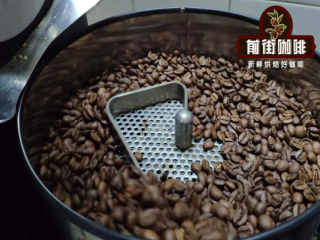
Introduction to the novice how to select the best classified varieties and characteristics of coffee beans
It is highly recommended for beginners to taste coffee beans from various famous coffee producing areas in the world, so that they can know what type of coffee beans they like, such as the recently hot Ethiopian Yegashifi coffee beans, which have obvious citrus and lemon flavor. the entrance has a strong floral aroma, which is very delicious. If you don't like sour coffee

There are several grades of Kenyan coffee beans. Kenya aa is classified according to the number of coffee items.
Professional coffee knowledge exchange more coffee bean information please follow the coffee workshop (Wechat official account cafe_style) front street-Kenya coffee grading introduction coffee beans in Kenya are classified by particle size, usually from large to small for AA, AB, C, T, TT, MH, ML, etc., the quality is also in descending order. AA+ is the highest grade of Kenyan coffee, with only excellent flavor.

The common types of coffee pots can be classified into the following types
Taking a comprehensive view of the coffee pots (machines) used by countries all over the world, they can be summarized as follows: 1) Cooking: coffee powder is mainly put in various types of containers, boiled with water on a heating power supply to extract coffee liquid, and then filtered to remove coffee grounds before drinking. Usually such as: Chinese coffee maker, Turkish coffee maker, Arabian coffee maker and so on. The coffee liquid extracted in this way is due to boiling

Yejia Xuefei is classified according to the different treatment methods of raw coffee beans, G1 G2 G3.
Yega Xuefei is divided into two categories according to the different ways of handling raw coffee beans: category An is washed, and the grade standard is set by the American Fine Coffee Association SCAA, which is divided into Gr-1;Gr-2, the smaller the Arabic numeral, the higher the grade, and the distinct style of G1 Yega Chefe. The flavor of citrus and floral flavor in the coffee liquid is irresistible to everyone; Class B is the sun-treated raw coffee beans.

Coffee extraction Coffee essence Coffee Cooking is classified into five categories
Following the war between water and coffee powder, coffee cooking is classified into five categories: steaming, pressurization, gravity, leaching, and ice brewing. The easiest way to brew is to put the coffee powder in the cup and put it in hot water. As it cools, the coffee powder will sink to the bottom of the cup. This is an old method, and it is still used in some parts of Indonesia today. Learn from it and don't eat it.

Colombian coffee is classified according to defective beans.
According to the classification of defective beans, defective beans can be divided into two types:-first: called first-class defects-second: called second-level defects. First: main defects (defects that affect the taste characteristics of coffee): black beans. Private exporters of moldy beans or sour beans: no more than 12 national coffee committees: no more than 8 first-level defective beans, second: secondary defects

High-quality coffee beans are classified according to their sense of taste. What are the sour coffee beans?
The so-called taste characteristics refers to the personality of all kinds of coffee beans in the style of the coffee beans after being roasted most appropriately. Taste classification of coffee beans: sour mocha, Hawaiian sour coffee, Mexico, Guatemala, Costa rica highland, Gilimanjaro, Colombia, Zimbabwe, El Salvador, Western Hemisphere washing advanced new

The way to extract the essence of coffee the cooking of coffee is classified into five categories
According to the contact mode of water and coffee powder, coffee cooking can be classified into five categories: steaming, pressurization, gravity, leaching and ice brewing. The easiest way to cook is to put the coffee powder in the cup and add hot water. As it cools, the coffee powder will sink to the bottom of the cup. This is an old method, and it is still used in some parts of Indonesia. Be careful not to get to the bottom of the cup

Introduction to the types of coffee drinks in coffee shops Common espresso is classified according to practice and different blending methods
Professional coffee knowledge exchange more coffee bean information please follow the coffee workshop (Wechat official account cafe_style) various rare coffee varieties and naming methods of coffee some names refer to different coffee practices and some refer to the origin of coffee beans different practices different methods of espresso common espresso on the market at present is classified according to practice including: Kabuki

Coffee bean classification system Coffee beans are classified according to taste?
Professional coffee knowledge exchange More coffee bean information Please pay attention to coffee workshop (Weixin Official Accounts cafe_style) The grade of green coffee beans is set in order to understand the quality of green beans in the coffee trading market and set reasonable prices. It is distinguished by the size of raw beans, the number of defective beans, the altitude of cultivated areas, and the name of regions.

What is the variety of coffee in Dominica-the classified varieties and characteristics of coffee
What are the varieties of Dominican coffee-the classification and characteristics of coffee Dominica coffee varies slightly in taste according to the altitude of the region where it is grown, the highland is sour, but the taste is rich, and the lowland is less sour and smoother. On the other hand, the high-quality coffee beans produced by some Dominican estates have a rich aroma, mellow taste and moderately bright sour taste.

Fine Coffee Learn Coffee Green beans are classified into different types according to time
Coffee fruits are processed by wet and dry methods to become coffee beans (Raw beans/Green beans). The main components of raw beans are: carbohydrates, about 49%, moisture, about 12% and protein. About 11%; chlorogenic acid, about 7.6% Alkaloids and trace elements, about 0.4%. According to the length of time, raw beans can be specifically divided into: Current Cro

Planting history of New Oriental producing areas in Guatemala? How do you classify the grades? Where is the flavor and taste going?
Planting history of New Oriental producing areas in Guatemala? How to divide the grades and specifications? Where is the flavor and taste going? Specification: SHB. EP Variety: Pacas seed producing area: Guatemala New Oriental producing area Cadilas Flavor altitude: 1300-1700m refined Wine Flavor Daily processing Taste: citrus, dark chocolate, plum, pear, rich wine with smooth fragrance, bright fruit

Coffee beginners must see: types and characteristics of coffee-how is coffee classified?
Professional coffee knowledge exchange more coffee bean information Please follow the coffee workshop (Wechat official account cafe_style) Coffee has gone through five steps: planting, harvesting, processing, roasting and extraction, from the crops in the mountains to the drinks in our hands. All the classifications we have seen so far are basically based on different factors / methods in these steps.

How to classify the origin of coffee beans in Kenya
Rare good coffee-famous for its rich aroma and balanced acidity. People in the coffee industry all think that Kenyan coffee is one of its favorite products, because Kenyan coffee contains every feeling we want from a good cup of coffee. It has wonderful and satisfying aromas, well-balanced acidity, well-proportioned particles and excellent fruit flavors. "
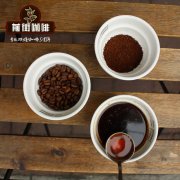
Introduction to Guixia Village, Ethiopia| What kind of breed is Guixia Village and how to classify it
In Ethiopia's far west, just a few kilometres from the border with South Sudan, lies the dense jungle of Bench Maji. It is a place of breathtaking natural beauty where the plateau extends into a vast ancient forest. This breathtaking view is home to the Ghirshavn Coffee Estate, which Adam Overton once visited.

Kenyan coffee grading method-points classification of defective beans-high classification of origin
◎ in order to produce a high degree of classification, generally speaking, due to the cold climate, slow growth rate of coffee, higher density of raw beans, harder texture, more mellow aroma of coffee, and supple sour taste; on the contrary, the density of raw beans is smaller, the texture is less hard, the quality of coffee is worse, so some people classify by hardness. This grading method can be divided into the following categories

Coffee grading knowledge how to classify coffee grades
If the owners of two cafes are discussing, shopkeeper A says, "the coffee beans we use in our shop are NO.2 in Santos, Brazil. What about your store?" shopkeeper B said: our store uses Brazilian NO.1 of the same grade as Blue Mountain NO.1. The evaluation method adopted in Brazil is the deduction method, which is classified according to the number of defective beans per 300g of staple beans, with a total of seven grades from NO.2 to No.8, with a deduction of less than 4 points.

How to classify coffee beans
Plant classification Coffee tree belongs to the evergreen tree of Rubiaceae. Rubiaceae plants have been dominated by plants with special effects since ancient times, such as quinine tree, which is regarded as a specific drug for malaria, and Dugan, which is used to treat Amiba dysentery. Coffee is defined as the most unique alkaloid drinking flora. Usually after sowing for two to three years, coffee trees can grow to a height of about five to ten meters, but to prevent the loss of coffee beans.