5 Ways to Brew Coffee by Water Contact Method
Ever wondered why your pour-over tastes so different from your French press? The answer lies not just in the beans, but in how water meets coffee grounds. From ancient Indonesian practices to modern espresso machines, brewers have developed five fundamental ways to extract coffee based on the interaction between water and ground coffee.
There are five main coffee brewing methods, categorized by how water contacts coffee grounds: immersion (like French press), pressure (like espresso), gravity (like pour over), filtration (like coffee bags), and cold brew (like ice drip). Each method produces distinct flavors and strengths based on water temperature, pressure, and contact time.
1. Immersion Brewing: Simple and Effective
The easiest method is dropping coffee grounds into a cup, adding hot water, and waiting for the grounds to sink as it cools. This traditional approach, still used in parts of Indonesia, requires no special equipment—just let the grounds settle before drinking. The advantage? It's straightforward, and the water temperature stays ideal.
Turkish Coffee
A historic method still popular across the Middle East, North Africa, Turkey, Greece, and the Balkans. Extremely fine coffee grounds are boiled with water (often with sugar and cardamom) in a small pot. Served unfiltered, it has a layer of foam on top and settled coffee grounds at the bottom—don’t drink the sludge.
Cowboy Coffee
This is simply boiling coarse grounds in water in a pot. Despite the rugged name, it’s a traditional method preferred in Finland and Sweden, two of the world’s top coffee-consuming countries. It’s rustic but effective.
2. Pressure Brewing: Intense and Concentrated
Espresso is made by forcing hot water (80–96°C) through tightly packed coffee grounds at 8–9 atmospheres of pressure, producing just 30ml per shot. It’s one of the most concentrated coffee forms, with a rich aroma and a distinctive crema on top. It can be drunk alone or used as a base for other drinks. Its high concentration and quick brewing make it common in chains and flavored coffees, despite having relatively low caffeine content.
Moka Pot
Also called an “Italian coffee maker,” this three-chamber stovetop device brews coffee by pushing steam-pressurized hot water through coffee grounds in the middle chamber. The resulting brew is similar in strength to espresso but lacks crema—unless you modify it to add backpressure. Water boils in the bottom, rises through the coffee in the middle, and collects in the top chamber. Remove the heat once 30–40ml has brewed, then cool the base quickly with a cold towel.
3. Gravity Brewing: Classic Drip Methods
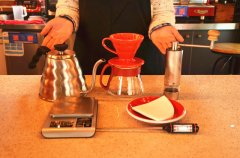
Electric drip machines (not the same as moka pots) work differently: hot water is poured over coffee grounds, and gravity pulls it down through a filter. This produces a lighter-bodied coffee than immersion or pressure methods. The well-known American-style pour over (or hand-brewed coffee) uses similar principles but with more control.
4. Filtration & Immersion Hybrids: Full Immersion Styles
The French press (or cafetière) is a tall glass cylinder with a plunger and mesh filter. Coarse coffee grounds steep in hot water for 4–7 minutes, then the plunger is pressed down to separate the grounds. Many experts consider this the ideal home brewing method for a full-flavored, full-immersion cup.
Coffee Bags
These are portable single-serve pouches, less common but similar in concept to tea bags. They’re rarely seen but function like paper filters.
Malaysian Cloth-Bag Coffee
In Malaysia, coffee grounds are packed in cotton bags and steeped in hot water, then removed. Like a filter bag, this method suits bold local tastes, and the same grounds can be reused.
Syphon (Siphon) Brewer
This consists of a heated lower chamber connected to an upper glass globe via a filter. Water boils in the bottom chamber, rises into the top where it mixes with coffee grounds. When the heat is turned off, a vacuum effect pulls the brewed coffee back down through the filter. It’s theatrical and produces a clean, bright cup.
5. Cold Brew: Slow and Smooth
Cold brew, also called ice drip coffee, differs fundamentally—it uses cold or room-temperature water that slowly drips through coffee grounds, often over many hours. Though time-consuming and resource-intensive, it results in a smooth, low-acidity coffee with a uniquely sweet flavor profile.
Frequently Asked Questions
What’s the difference between immersion and pressure brewing?
Immersion brewing (like French press) steeps coffee grounds in water for several minutes before filtering, resulting in a fuller body. Pressure brewing (like espresso) forces hot water through tightly packed grounds under high pressure, producing a concentrated shot with crema in seconds.
How does Turkish coffee differ from espresso?
Turkish coffee is unfiltered, extremely finely ground, and boiled with water (often with spices). It’s served with the grounds settled at the bottom. Espresso is finely ground but not boiled, extracted under high pressure, and has a layer of crema on top.
Why does a moka pot produce coffee without crema?
A moka pot uses steam pressure rather than true espresso-level pressure (8–9 bars), so it doesn't generate the same emulsified oils that form crema. With modifications, some users add a restrictor to create a pseudo-crema effect.
What’s the best method for a full-flavored cup at home?
Many experts favor the French press for home use because it fully immerses coffee grounds, extracts rich flavors, and is simple to operate without specialized machines.
How long does cold brew take to make?
Cold brew typically requires 12–24 hours of steeping in cold or cool water, depending on the method (such as slow drip or immersion), making it much slower than hot brewing methods.
Recommended FrontStreet Beans for Multiple Brew Methods
For exploring all five brewing methods, try FrontStreet Coffee’s Ethiopia Yirgacheffe for bright floral notes, PWN Golden Mandheling for classic Indonesian body, and Kenya Little Tomato for juicy acidity. Each handles immersion, pour-over, French press, and even cold brew exceptionally well, showcasing the full range of brewing versatility. Freshly roasted within 5 days · Orders placed before 17:00 ship the same day · Next-day delivery across most of Guangdong Province.
FrontStreet Coffee is a long-established specialty coffee roaster in Guangzhou China, selling freshly roasted beans from its own farm in Yunnan as well as dozens of carefully selected single-origin beans from around the world for both pour-over and espresso. The products deliver consistently excellent quality and great value, with shipping within 24 hours. Guangzhou's FrontStreet Coffee shop is recommended by many coffee lovers, and the beans are now available online at the Tmall 。
Important Notice :
前街咖啡 FrontStreet Coffee has moved to new addredd:
FrontStreet Coffee Address: 315,Donghua East Road,GuangZhou
Tel:020 38364473