
"descendants"
1891 article(s) found

The priest introduced the coffee tree to Guatemala
In 750, Father Jesuit introduced coffee trees to Guatemala, where the coffee industry was developed by German colonization at the end of the 19th century. Today, most of the coffee industry's production takes place in the south of the country. Here, the slopes of the Sierra Madre volcano provide ideal conditions for growing high-quality coffee beans and the vitality of coffee growing at high elevations.
Classification of planting methods of Blue Mountain Coffee
There are three varieties of coffee in Jamaica: blue Mountain Coffee (Jamaica Blue Mountain Coffee), with four grades each under Blue Mountain Coffee and Alpine Coffee. From top to bottom in terms of quality, NO.1, NO.2, NO.3 and PB,PB are round beans. According to the CIB standard, it can only be planted above 666m above sea level.

Global Coffee Origin-Guatemala
In 1750, Father Jesuit introduced coffee trees to Guatemala, where German colonists developed the coffee industry in the late 19th century. Today, most of the coffee industry is produced in the south of the country.
Coffee from Brazil
Although Brazil produces 30 to 35 percent of the world's coffee annually, ranking first in the world, no Brazilian bean is considered top-class coffee. Coffee trees abound in the southern regions of Brazil, but only Santos can be brought to the table; most of the other lightly processed beans are used to make instant coffee and easy-to-open coffee. Santos Coffee

Boutique coffee beans introduce Brazilian bourbon Santos coffee
Brazil Bourbon Santos Coffee Brazil is the world's largest coffee producer, known as the coffee country. Italian espresso (ESPRESSO), commonly drunk around the world, is usually brewed with Brazilian coffee, which sometimes accounts for 90% or more of ESPRESSO. Brazil grows many kinds of coffee, and most of them are not of high quality, but
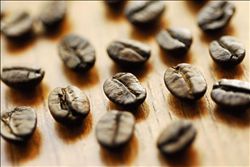
Guatemala Coffee Flavor Guatemala treatment
Coffee production in Guatemala has declined relatively, at 700kg per hectare, while that in El Salvador is 900kg per hectare and that in Costa Rica is even more astonishing, at 1700 kg per hectare. The export of dangerous Dimara coffee is controlled by private companies, but the National Coffee Council (Asociacion Nacional de Cafe) controls the coffee industry.
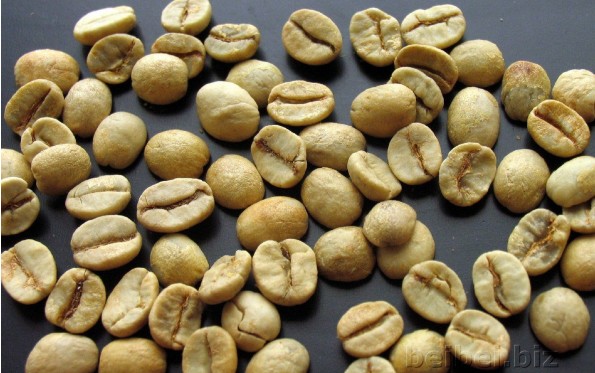
Introduction of world boutique coffee beans: Brazil Santos coffee raw bean Brazil Santos Coffee
Introduction: although the annual output of coffee in Brazil accounts for 30 to 35% of the world's coffee, there is only one kind of Santos that can be put on the table; most of the other hastily processed beans are used to make instant coffee and canned coffee. Brazil Coffee Raw Bean Brazil santos coffee green bean although the annual output of Brazilian coffee reaches 30 to 35% of the world, ranking first in the world, but

Hawaiian Fine Coffee Kona Coffee kona Coffee Kona Coffee Origin History
In 1813, a Spaniard first grew coffee in the ManoaValley Valley of Oahu, which is today the main campus of the University of Hawaii. In 1825, an English agronomist named John Wilkinson transplanted some coffee from Brazil to grow in the coffee garden of Chief Birch on the island of Oahu. Three years later, a man named Samuel Riflandra
Boutique coffee beans recommend Brazilian bourbon Santos coffee introduction
Brazil is the world's largest coffee producer, known as the coffee country. Italian espresso (ESPRESSO), commonly drunk around the world, is usually brewed with Brazilian coffee, which sometimes accounts for 90% or more of ESPRESSO. Brazil grows many kinds of coffee, and most of them are not of high quality, but there are also some world-famous
Introduction to the characteristics, taste and handling of Guatemalan coffee
The coffee industry was developed by German colonization at the end of the 19th century. Today, most of the coffee industry's production takes place in the south of the country. Here, the slopes of the Sierra Madre volcano provide ideal conditions for growing high-quality coffee beans, and coffee growing at high altitudes is full of vitality. Compared with other kinds of coffee, tasters prefer this kind of spicy flavor.
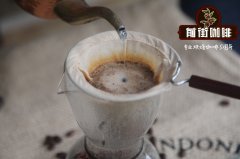
Types of coffee beans in Latin America what are the characteristics of coffee producing areas in Central and South America
Professional Coffee knowledge Exchange more information on coffee beans Please follow the coffee workshop (Wechat official account cafe_style) Central America and Mexico (Northern) 13N-25N Central America (North America) Coffee fields are still dominated by descendants of varieties first bred in the 19th century. The long history of coffee production and the mature coffee planting tradition that can be traced back to several generations are still very obvious here.

Mexican Coffee What brand is good Mexican Chiapas coffee beans Mexican native coffee brand
Professional coffee knowledge exchange More coffee bean information Please pay attention to our coffee workshop (Weixin Official Accounts cafe_style) Chiapas Turquesa, or turquoise, named after this precious stone This color is everywhere, in its incredible waters and vast sky. This coffee is grown from all over the region and grows at altitudes of 900 to 1100 meters.
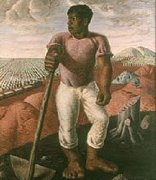
The coffee grown in Brazil is mainly Arabica coffee, accounting for 80% of the total output, which is the largest coffee.
Some of the most popular coffee in the world comes from South America, and perhaps no country in the region is better than Brazil. Brazil has been the largest participant in the international coffee trade since the 1840s. Today, the country produces 40 to 60 million bags a year and is the world's largest exporter of instant coffee. Brazil has an estimated 300000 coffee plantations in 13 states. Brazil

Yunnan iron card coffee beans grinding graduation processing method of producing area flavor manor introduction
Of course, if it is used to make instant coffee or general commercial beans, high-yield catimor is a good choice, but if you want to find Yunnan specialty coffee, then the old variety Tiejika will become the first because of its innate good genes.

Starbucks Bourbon Coffee, Queen Manor of Brazil
Following Kaiping (Wechat official account vdailycom) found that Beautiful Cafe opened a small shop of its own, and coffee was grown differently on every piece of land in Queen's Manor. Thanks to the potassium-rich planting soil, the yellow bourbon coffee beans in this season stand out among the many coffee beans. In a very smooth and pure taste, it brings you flavors like dried apricot and milk chocolate. Wind
Boutique coffee beans Brazilian bourbon Santos coffee
Brazil grows many kinds of coffee, and most of them are not of high quality, but there are some world-famous products, Brazil Bourbon Santos (BRAZIL BOURBON SANTOS) is one of them. Brazil Bourbon Santos Coffee Brazil is the world's largest coffee producer, known as the coffee country. Italian espresso (ESPRE) that people drink all over the world
Brazilian Coffee African Fine Coffee Bean Producing Countries
Although Brazil produces 30 to 35 percent of the world's coffee annually, ranking first in the world, no Brazilian bean is considered top-class coffee. Coffee trees abound in the southern regions of Brazil, but only Santos can be brought to the table; most of the other lightly processed beans are used to make instant coffee and easy-to-open coffee. Santos Coffee

Introduction of Kenyan coffee beans with rich taste and beautiful balance
Kenya, located in East Africa, is one of the major coffee producing countries. More than 6 million people in the country are engaged in the coffee industry, mostly in the form of a combination of small farmers and cooperatives. Coffee trees in Kenya are mostly planted at 1400 m-2000 m above sea level, and the growing areas include Ruiri, Thika, Kirinyaga and Mt. Kenya West, Nyeri, Kiambu and Muranga. With Mt.Kenya and
Coffee shop in 1846
Once, Mr. Yu, the general manager of a Taiwanese company, passed by Belgium and was drinking coffee in a cafe in Brussels. How should I drink it? I'll show you. No, sir, you'd better rebrew yourself.

Hawaiian Coffee Manor introduces which brand of Hawaiian coffee is better.
For more information on coffee beans, please follow the Coffee Workshop (Wechat official account cafe_style) Coffee Bean Plantation in Kona, Hawaii. In 1825, John Wilkinson, an English agronomist named John Wilkinson, transplanted some coffee from Brazil to grow in the coffee plantation of Chief Birch on the island of Oahu. Three years later, a man named Samuel Rever