
"descendants"
1891 article(s) found

Brazil Santos Coffee
Although Brazil produces 30 to 35 percent of the world's coffee annually, ranking first in the world, no Brazilian bean is considered top-class coffee.

Brazilian Bourbon Santos Coffee
Brazil is the world's largest coffee producer, known as the "coffee country".
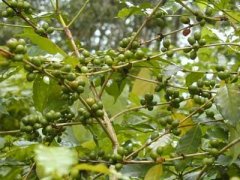
Brazil Bourbon Santos Coffee BOURBON SANTOS
Brazil grows many kinds of coffee, and most of them are not of high quality, but there are some world-famous products, Brazil Bourbon Santos (BRAZIL BOURBON SANTOS) is one of them.
Brazilian coffee raw beans
Although Brazil produces 30 to 35% of the world's coffee annually, ranking first in the world, none of the Brazilian beans can be called the top coffee. The mountains are covered with coffee trees in southern Brazil, but Santos is the only one that can be put on the table; most of the other hastily processed beans are used to make instant coffee and easy-to-open coffee. Growth of Santos coffee
Coffee beans Brazilian Santos Coffee Raw beans Brazil Santos Coffee
Although Brazil produces 30 to 35% of the world's coffee annually, ranking first in the world, none of the Brazilian beans can be called the top coffee. The mountains are covered with coffee trees in southern Brazil, but Santos is the only one that can be put on the table; most of the other hastily processed beans are used to make instant coffee and easy-to-open coffee. Growth of Santos coffee
Boutique coffee-Brazilian Santos (Santos)
Brazilian coffee is cheap and abundant. Brazil produces 30 to 35% of the world's coffee annually, ranking first in the world. Unfortunately, there is a lack of top coffee varieties. Brazilian coffee has average quality, soft beans, and is obviously not resistant to heat in the baking process. Santos is more famous among all varieties. Santos is mellow, neutral, drinkable, and other kinds of coffee beans.
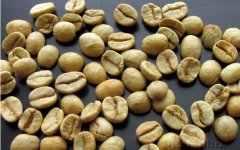
Introduction to Brazilian Santos Coffee Raw beans
Although Brazil produces 30 to 35% of the world's coffee annually, ranking first in the world, none of the Brazilian beans can be called the top coffee. The mountains are covered with coffee trees in southern Brazil, but Santos is the only one that can be put on the table; most of the other hastily processed beans are used to make instant coffee and easy-to-open coffee. Growth of Santos coffee

Boutique Brazilian coffee bean Brazil santos coffee gr
Although Brazil produces 30 to 35% of the world's coffee annually, ranking first in the world, none of the Brazilian beans can be called the top coffee. The mountains are covered with coffee trees in southern Brazil, but Santos is the only one that can be put on the table; most of the other hastily processed beans are used to make instant coffee and easy-to-open coffee. Growth of Santos coffee
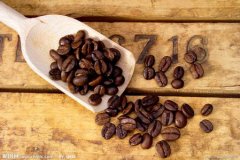
Basic knowledge of coffee beans Brazilian Santos coffee raw beans
Although Brazil produces 30 to 35% of the world's coffee annually, ranking first in the world, none of the Brazilian beans can be called the top coffee. The mountains are covered with coffee trees in southern Brazil, but Santos is the only one that can be put on the table; most of the other hastily processed beans are used to make instant coffee and easy-to-open coffee. Growth of Santos coffee
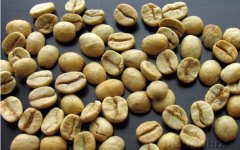
Brazil Santos Coffee Raw Bean Brazil Santos Coffee
Although Brazil produces 30 to 35% of the world's coffee annually, ranking first in the world, none of the Brazilian beans can be called the top coffee. The mountains are covered with coffee trees in southern Brazil, but Santos is the only one that can be put on the table; most of the other hastily processed beans are used to make instant coffee and easy-to-open coffee. Growth of Santos coffee

Brazil Santos Coffee Raw Bean Brazil Santos Coffee
Brazilian coffee raw bean Brazil santos coffee green bean although the annual output of Brazilian coffee reaches 30% to 35% of the world, ranking first in the world, none of the Brazilian beans can be called the top coffee. There are coffee trees all over the mountains, distributed in the south of Brazil, but Santos is the only one that can be put on the table; most of the other beans are handled hastily.

Small output but fine Jamaican coffee flavor, characteristics, taste and manor introduction
Coffee is grown outside the Blue Mountains and is called Jamaican coffee. It turns out that people in the coffee industry in China generally have a wrong understanding that only coffee grown in the Blue Mountain area above 1800 meters above sea level can be called Blue Mountain Coffee. In fact, there is only one manor on the top of the Blue Mountain Mountains above 1800, that is, Amber, which is of Chinese descent. The owner of the manor is surnamed Lyn (Lin) and is of Chinese origin.

Jamaica Coffee Flavor, Characteristics, Taste and Estate Description
Coffee grown outside the Blue Mountains is called Jamaica coffee. It turns out that there is a common misconception among coffee producers in China that only coffee grown in the Blue Mountain region above 1800 meters above sea level can be called Blue Mountain Coffee. In fact, there is only one manor on the top of the Blue Mountain Range above 1800 meters above sea level, that is Amber. It is a descendant of Chinese people. The main surname of the manor is Lyn(Lin), whose ancestral home is Chinese.

Hawaiian Coffee History Hawaiian Coffee History
Professional barista exchanges, please pay attention to coffee workshop (Weixin Official Accounts cafe_style) Hawaiian coffee: Hawaii Kona coffee beans have the most perfect appearance, its fruit is unusually full, and bright luster. The coffee has a rich aroma with cinnamon spice notes and a balanced acidity. Hawaiian coffee is grown in all 50 states.

Secondary processing steps of Ugandan coffee
Professional coffee knowledge exchange more coffee bean information please follow the coffee workshop (Wechat official account cafe_style) secondary processing step 1. Pre-cleaning and de-stoning: common problems with coffee collected from different suppliers are mixed quality depending on individual supplier's storage and processing technology. Coffee is often wet (M.C 14%), including foreign substances such as stones, husks, etc.
African Kenya Coffee Varieties What coffee varieties Kenya has Kenya SL34 coffee
Weixin Official Accounts cafe_style Kenya Variety In 1929, Scott Agricultural Laboratories(SL), a British-run agricultural research center in Kenya, sent an entomologist, a plant breeder and a mycologist to Kenya and its southern neighbor Tanzania

A coffee shop funded by Fudan people was born.
To The Press author: Wang Xinya, I have seen you since 1872. When you first build a cottage, I am a weed on the eaves. I saw you again in 1918. You are beautiful and elegant, you are in your prime, and I have become the corner of the foundation brick under your pillar. In 1932 you were in high spirits, talking about freedom and talking about the Spring and Autumn period. I listened to your chanting and pillowed down the waves you rose. You stopped abruptly in 1949, only thick

The output is very small, Jamaican coffee flavor, characteristics, taste and manor introduction
Coffee is grown outside the Blue Mountains and is called Jamaican coffee. It turns out that people in the coffee industry in China generally have a wrong understanding that only coffee grown in the Blue Mountain area above 1800 meters above sea level can be called Blue Mountain Coffee. In fact, there is only one manor on the top of the Blue Mountain Mountains above 1800, that is, Amber, which is of Chinese descent. The owner of the manor is surnamed Lyn (Lin) and is of Chinese origin.
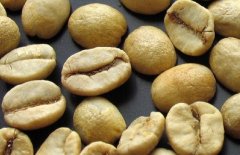
Brazilian Coffee Green Bean
Brazil santos coffee green bean Although Brazil produces 30 to 35% of the world's coffee annually, ranking first in the world, no Brazilian bean can be called a top coffee. Coffee trees are everywhere in the mountains, distributed in the south of Brazil, but only one kind of "Santos" can be moved to the table; most of the other beans are handled carelessly.