
"from"
109289 article(s) found

Vietnam is the largest importer of coffee from China.
Vietnam and Malaysia have been the main sources of coffee imported from China since 2002, the Viet Cong Electronic News reported on September 25. Vietnamese coffee accounts for 90% of China's total coffee imports from ASEAN countries. According to Vietnamese customs statistics, China imported 137000 tons of coffee between 2007 and 2011. Of this total, 103900 tons were imported from Vietnam, with the import value reaching 195 million US dollars, accounting for China's total.

Matsuya method also comes from Japanese hand flushing method.
The Matsuya method also comes from Japan, which was invented to extract only the delicious ingredients from the coffee. Use a spoon to dig a big hole in the coffee powder, about 30cm from the noodle, pour water from the middle until the coffee liquid begins to drip, then draw a circle like a circle to wet the coffee powder and cover it with steaming. After 3 minutes, it begins to be uniform.

Matsuya method comes from Japanese hand flushing method
The Matsuya method also comes from Japan, which was invented to extract only the delicious ingredients from the coffee. Use a spoon to dig a big hole in the coffee powder, about 30cm from the noodle, pour water from the middle until the coffee liquid begins to drip, then draw a circle like a circle to wet the coffee powder and cover it with steaming. After 3 minutes, it begins to be uniform.

Yemeni coffee flavor Coffee beans from coffee's hometown
Coffee beans from coffee's hometown. Yemen was known as Arabia until the 6th century AD, so coffee trees transported from Yemen to other places were also called Arabic coffee trees. But the origin of these trees is Ethiopia, and it was the Dutch who spread these coffee trees around the world. Dutch merchants sailing east around the Cape of Good Hope
Love coffee: we do it ourselves, from seeds to cups.
People's Daily, November 5 / PRNewswire-Asianet /-- when Pu'er is mentioned, most people may only think of tea, but Pu'er has coffee as well as tea. Pu'er coffee occupies a large proportion in Yunnan and even the whole country. From November 2 to 4, coffee lovers from all over the country visited the coffee planting, production and processing base of Yunnan Ai'er Group in Pu'er, so that they saw Aishi coffee with their own eyes.
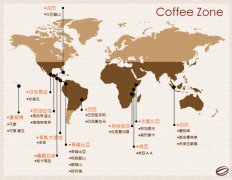
Yemeni coffee beans from coffee hometown full-sun coffee beans
Coffee beans from coffee hometown. Before the 6th century AD, Yemen was called Arabia, so coffee trees shipped from Yemen to other places were also called Arabian coffee trees. But the origin of these trees is Ethiopia, and the Dutch spread these coffee trees around the world. Dutch businessmen sailing eastward around the Cape of good Hope (TheCapeOfGoodHope)

Dutch style Cafe A bicycle-themed coffee shop
It is interesting to walk in the streets of Holland and enjoy all kinds of bicycles. It is called the kingdom of bicycles, and some people even joke that the Dutch were born on bicycles. Here, from children to the elderly, from postmen to company managers, almost everyone has a bike. Lola Bike Cafe is a coffee shop located in the Hague, the Netherlands. What is special is that
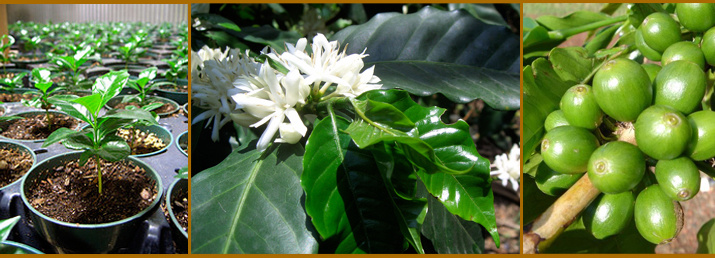
African coffee boutique manor South Africa's coffee trees are derived from Kenyan fruits like coffee from Central America.
South Africa is fragrant with less acidity, reminiscent of Central American coffee beans. Coffee production in South Africa (South Africa) is mainly in the northeast of the country, from Natal between Transvaal and Mozambique, extending northward to Transvaal, with a southernmost limit of latitude 30 south. Further south, it cannot be caused by early frost.

The best of coffee. Blue Mountain Coffee made from beans from the Blue Mountains of Jamaica.
Nowadays, office workers drink coffee almost every day in order to resist the fatigue and tiredness caused by heavy workload. When it comes to coffee, they have to mention Blue Mountain Coffee. Blue Mountain Coffee refers to coffee brewed from beans from the Blue Mountains of Jamaica. According to the grade, it is divided into Jamaica Blue Mountain Coffee and Jamaican Alpine Coffee. The Blue Mountains are located in the east of the island of Jamaica (Jamaica) because of the mountain.
Coffee harvest time of coffee beans in the main producing areas of the world
Regional harvest period Brazil from May to late June Colombia from October to late February of the second year, China and the United States, from October to late February of the second year, mocha, from early October to late January of the second year, Africa Robsta, from early October to late January of the second year, Arabica, Africa, from early October to late January of the second year, Indonesia EK-1 from March to late May, to ensure that coffee cherries remain unchanged.

How to bake coffee from different producing areas
How to bake coffee from different producing areas? should you use the same baking curve for coffee from Narino in Colombia and coffee from Sidamo in Ethiopia? The answer is likely to be no. The microclimatic conditions such as climate, soil type and planting altitude of coffee producing countries are different, and the coffee produced by different countries is also different. In the baking process

Pure taste of Banci Maggie coffee varieties planted market price profile
Gesha Estate is different from Geisha in Panama, but it is still worth tasting. It is rare in Ethiopia's sun-baked beans region. The variety of spices and fruits is Bench Maji, located in southwest Ethiopia, not far from neighboring Sudan. It is easy to find with Google map. Banqi Maji Gesh

What is the flavor of Ethiopian coffee honey kiss? taste characteristics Manor introduction
What is the flavor of Ethiopian coffee honey kiss this coffee was named after Nectar from Shakisso in 2009, meaning it has the same flavor as nectar from Ethiopia. Nekisse is characterized by a creamy, smooth taste and a strong berry sauce, and some batches even have mixed flavors of chamomile and a variety of tropical fruits
Coffee producing countries, regions and integration
Bolivian coffee variety: Arabian coffee production: 150.000 bags with snow-capped mountain terrain, vast plateau and tropical rain forest, Bolivia has ideal coffee production conditions. More than 90 per cent of the coffee produced in Bolivia is produced in high-temperature and humid climates, with elevations of 500 to 1600 metres above sea level in the tropics of La Paz. Another very important production area

Coffee from Tanzania Coffee from Tanzania
Gourmet coffee is soft in acidity, inviting in aroma and an absolute value treat. Tanzania's coffee exports occupy an important position in the overall national economy. Bean berry coffee is produced in large quantities and is said to be stronger than regular coffee. Generally speaking, Tanzanian coffee beans are of exceptional quality. For example, near Kilimanja

Is Rosa Coffee GESHA or GEISHA? Where does Rosa Coffee gesha come from?
Professional coffee knowledge exchange more coffee bean information please follow the coffee workshop (Wechat official account cafe_style) where does Gesha come from? It is no accident that those who found a cup of Ethiopian coffee during a cup test in the 2004 Panama Best Competition: the Gesha variety originally came from the Gori Gesha Forest in Ethiopia, because the Gesha seedlings were originally from the United Kingdom.

High-quality coffee from Rwanda comes from washed Arabica beans, which has a unique and perfect
Boutique coffee (specialty coffee) is also called specialty coffee selection coffee. It refers to coffee made from a small number of raw beans with excellent taste grown in an ideal geographical environment. Depending on the special soil and climatic conditions in which they grow, they have outstanding flavor. After strict selection and classification, this kind of coffee is hard in texture, rich in taste and stylish.

Coffee producing countries Coffee varieties Arabica Coffee
Bolivian coffee variety: Arabian coffee production: 150.000 bags with snow-capped mountain terrain, vast plateau and tropical rain forest, Bolivia has ideal coffee production conditions. More than 90 per cent of the coffee produced in Bolivia is produced in high-temperature and humid climates, with elevations of 500 to 1600 metres above sea level in the tropics of La Paz. Another very important production area

Coffee from Jamaica. Coffee from Jamaica.
Almost everyone in Jamaica knows that Blue Mountain Coffee is the most expensive coffee in the world. In 1725, Sir SirNicholasLawes brought the first Blue Mountain Coffee species from Martinique to Jamaica and planted them in the St.Andrew area. Coffee producing area of Jamaica: today's St. Andrews is still Blue Mountain Coffee.