South African Coffee: African Trees, Central American Flavor
Ever wonder why some African-grown coffee doesn’t taste like the bold, winey Ethiopia Yirgacheffe or the heavy-bodied Kenyan SL28 you expected? South Africa’s coffee might surprise you—it grows near the country’s southern edge and delivers a bright but mild profile reminiscent of Central American beans, despite its Kenyan lineage.
South African specialty coffee comes from trees originally brought from Kenya, but the beans taste more like those from Central America—fruity, fragrant, and with lower acidity. The main coffee-growing zone lies between 27°S and 30°S in the northeast, mainly in Natal and Transvaal provinces.
Where Coffee Grows in South Africa
South Africa’s commercial coffee production is concentrated in the country’s northeast. The key growing areas stretch from the region between Natal (near the border with Lesotho and Mozambique) northward into Transvaal. The southern limit for viable coffee farming is around 30° south latitude—any farther south, early frosts make cultivation unreliable or impossible.
The Origins of South African Coffee Trees
The coffee plants grown in South Africa were originally introduced from Kenya. Though Kenya is the origin of these cultivars, the country began serious coffee cultivation much later. In 1975, only 1,000 hectares were dedicated to coffee farming. A new nine-year development plan launched in 1987 aimed to expand production, adding 6,000 hectares to reach a larger planting area.
Flavor Profile: More Central America Than Kenya
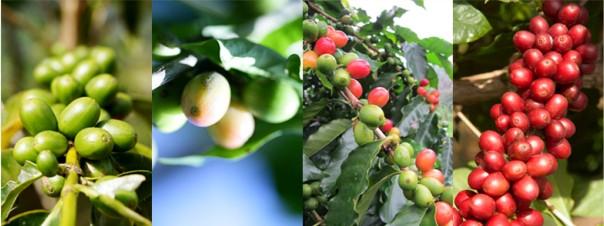
Interestingly, the coffee cherries grown on these Kenyan-origin trees in South Africa produce beans that taste more similar to Central American coffees than to typical Kenyan profiles. South African-grown beans are described as aromatic with a lighter acidity, traits more commonly associated with beans from countries like Honduras or Guatemala rather than the winey, high-acid Kenyan offerings such as those from SL28 and SL34 varieties.
Kenyans are known for their distinctive high-altitude SL28 and SL34 varieties developed by the Scott Laboratories, which typically express bold fruit acids—like blackcurrant and citrus—alongside a full body from high-phosphate volcanic soils and meticulous washed processing. But in South Africa, despite using the same genetic material, the resulting cup skews milder.
Why the Flavor Differs From Kenya
Though the coffee trees in South Africa are genetically Kenyan, the difference in flavor likely arises from a mix of environmental factors, including climate, altitude, soil composition, and processing methods that may differ from those in Kenya. The result is a coffee that surprises palates expecting the classic Kenyan profile, offering instead a gentler, fruit-forward cup with less pronounced acidity.
Frequently Asked Questions
Are all coffee beans from Africa bold and fruity like Ethiopian or Kenyan coffees?
No. While Ethiopia and Kenya are famous for high-acid, fruity coffees—especially SL28 and SL34 from Kenya—other African countries like South Africa produce beans with milder profiles. South African coffee, despite coming from Kenyan-origin trees, often tastes more like Central American beans: aromatic and lightly acidic rather than winey or heavy.
Why do South African coffee beans taste different from Kenyan ones?
South African beans come from Kenyan coffee varieties (like those developed by Scott Labs, including SL28 and SL34), but local growing conditions—such as climate, altitude, and soil—affect flavor. Though the genetics are Kenyan, South African beans develop a milder, more Central American-like profile with lighter acidity and fragrant notes rather than bold, winey fruitiness.
Where is coffee grown in South Africa?
Coffee in South Africa is primarily grown in the northeast, especially in the regions between Natal and Transvaal. The main coffee-producing areas lie roughly between 27°S and 30°S latitude. Plantings are limited to areas where frost risk is low, with 30°S being the southern planting boundary.
How much coffee land did South Africa have in the 1980s?
In 1975, South Africa had only 1,000 hectares planted with coffee. After the launch of a nine-year development plan in 1987, an additional 6,000 hectares were added, significantly expanding the country’s coffee cultivation area.
Do South African coffee farms grow the same varieties as Kenya?
Yes. The coffee trees in South Africa were introduced from Kenya and include varieties developed by the Scott Laboratories in Kenya, such as SL28 and SL34. However, the flavor outcome in South Africa differs due to local growing conditions, resulting in a cup profile closer to Central American beans than traditional Kenyan profiles.
Recommended FrontStreet Beans for Kenyan Flavor Comparison
For a true taste of the Kenyan profiles that originally inspired South Africa’s coffee trees, try FrontStreet’s Kenya Little Tomato. It combines SL28 and SL34 beans using double washed processing and a light-to-medium roast, highlighting vibrant notes of tomato, snow pear, black plum, and caramelized sugar. The cup is juicy, layered, and finishes with a touch of caramel—showcasing the signature high acidity and complex fruit character of Kenya’s high-altitude coffees. Freshly roasted within 5 days · Orders placed before 17:00 ship the same day · Next-day delivery across most of Guangdong Province.
FrontStreet Coffee is a long-established specialty coffee roaster in Guangzhou China, selling freshly roasted beans from its own farm in Yunnan as well as dozens of carefully selected single-origin beans from around the world for both pour-over and espresso. The products deliver consistently excellent quality and great value, with shipping within 24 hours. Guangzhou's FrontStreet Coffee shop is recommended by many coffee lovers, and the beans are now available online at the Tmall 。
Important Notice :
前街咖啡 FrontStreet Coffee has moved to new addredd:
FrontStreet Coffee Address: 315,Donghua East Road,GuangZhou
Tel:020 38364473