
"kiambu"
388 article(s) found

Kenny AA Coffee, Kenny Coffee Coffee, Kenny Coffee AA Coffee
Professional Coffee knowledge Exchange more Coffee Bean Information Please note Coffee Workshop (Wechat account cafe_style) Front Street-Kenyon AA SASINI workshop [Kenyan AA SASINI] Product: Kenyon Kiambu: SASINI altitude: 1500-2000 m level: AA varieties: SL28 processing: washed as the second largest coffee in Africa
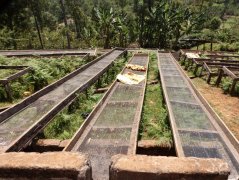
Kenya aa Coffee Africa Competition TOH Champion Kenya Raw Bean Flavor Competition Champion
For the exchange of professional baristas, please follow the coffee workshop (Wechat official account cafe_style) Kenya AA Fram Farm harvest season champion bidding batch Kenya TOH champion AA Fram Fram farm after the Ethiopian Sakuran and Uganda after the third African competition TOH champion, from Kenya's Qiyan Falls production area of the small farm, Fram, the bean seed is S

Introduction of Handege Factory Lishu Cooperative and Ji processing Plant in Coffee Qianbu producing area of Kenya
Professional coffee knowledge exchange more coffee bean information please follow Coffee Workshop (Wechat official account cafe_style) Kenya Qianbu Cooperative and Ji processing Plant AB level double hand batch production area: Africa Kenya Qianbu (Kiambu) altitude: 1850-1900 m producer: regional smallholder varieties: SL28,SL34 processing plant: and Ji processing plant (Hande)

Variety introduction, baking analysis and brewing suggestion of Komatina cranberry coffee producing area in Kenya AB
Professional coffee knowledge exchange more coffee bean information please follow the coffee workshop (Wechat official account cafe_style) KenyaAB Kiambu Gitwe Kenya AB Komatina cranberry production area: Qianbu Micro area: Gitwe soil: volcanic clay altitude: 1400 m-1800 m varieties: Lmur28, SL-34, Ruiru 11 treatment: Kenyan 72-hour washing 01 | production

Kenya AB Comatina Cranberry Kenya AB Kenya AA
AB Comatina Kenya Cranberry growing area: Kiambu Micro-region: Gitwe Soil: Volcanic clay Elevation: 1400 m-1800 m Variety: L-28, SL-34, Ruiru 11 Treatment: Kenyan 72 hours washing Kenya is located in eastern Africa, adjacent to Ethiopia, the source of coffee. Although the soil was fertile, coffee was grown for the first time in the country,
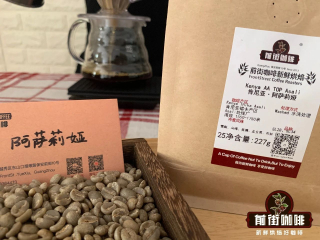
Introduction to the main producing areas of Kenyan coffee beans the flavor and taste of Kenyan K72 water-washed coffee beans
Kenya Coffee producing areas Kenya is most famous for its seven largest coffee producing areas: Thika, Kirinyaga, Mt.KenyaWest, Nyeri, Kiambu and Ruir.

Major coffee producing areas in the world
JAVA Market name: Blawan, Jampit. KENYA: Kiambu, Thika, Ruiru, Meru, Embu, Kisii. Market name: Kenyas, Nairobi. Madagascar (MADAGASCAR) producing areas: North West, Central East, South East. Market name: Madagascarian. Mexico (MEXIC

Kenya coffee, berries, cranberries, coffee, milk coffee, coffee scale, fresh roast
Kenya, located in East Africa, is one of the major coffee producing countries. More than 6 million people in the country are engaged in the coffee industry, mostly in the form of a combination of small farmers and cooperatives. Coffee trees in Kenya are mostly planted at 1400 m-2000 m above sea level, and the growing areas include Ruiri, Thika, Kirinyaga and Mt. Kenya West, Nyeri, Kiambu and Muranga. With Mt.Kenya and Ab
African Kenyan coffee bean family Gatugi processing plant
Kenya, located in East Africa, is one of the major coffee producing countries. More than 6 million people in the country are engaged in the coffee industry, mostly in the form of a combination of small farmers and cooperatives. Coffee trees in Kenya are mostly planted at 1400 m-2000 m above sea level, and the growing areas include Ruiri,Thika, Kirinyaga and Mt. Kenya West, Nyeri, Kiambu and Muranga. With Mt.Kenya and Aberdare
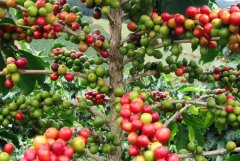
Kenya Coffee Tree Kenya Coffee beans Flavor Africa Kenya grows coffee beans
Coffee trees in Kenya are mostly planted at 1400 m-2000 m above sea level, and the growing areas include Ruiri,Thika, Kirinyaga and Mt. Kenya West, Nyeri, Kiambu and Muranga. Mainly in the foothills of Mt.Kenya and Aberdare. There are many producing areas in Kenya that strive to preserve the native forest ecosystem, protect the natural gene pool, and support the reproduction and breeding of wild coffee varieties.

Via Village-White English
Kenya Kiambu KirunaAA WashedAltitude 1300m Coffee Flower Blackcurrant Chocolate Costa Rica Tarrzu Santa Monica Natural Bourbon Altitude 1450- 1650m Passion Fruit Berry Wine Heart Chocolate Aftertaste Front with rich tropical fruit flavor

The best coffee in Kenya AA TOP Qianbuyala Manor introduces the unique varieties of SL28 and SL34.
For the exchange of professional baristas, please follow the coffee workshop (Wechat cafe_style) Kenya Kiambu Yara Estate AA TOP Kenya AA TOP Qianbuyala country: Kenya altitude: 1700 meters treatment method: washing grade: AA TOP varieties: SL28, SL34 flavor description: dry fragrance with pear, lemon and fine floral aromas

Introduction to the main Coffee producing countries in the World
JAVA Market name: Blawan, Jampit. KENYA: Kiambu, Thika, Ruiru, Meru, Embu, Kisii. Market name: Kenyas, Nairobi. Madagascar (MADAGASCAR) producing areas: North West, Central East, South East. Market name: Madagascarian. Mexico (MEXIC

Information introduction of Kirura Coffee processing Plant in Komothai FCS, Kenya
Professional baristas please follow the coffee workshop (Wechat official account cafe_style) Kirura Coffee Factory is part of Komothai FCS, located in Kiambu County. Fertile soil with red volcanic rocks. The annual rainfall here is 900-1100mm, which saturates the soil and can supply coffee with an annual output of about 52 metric tons. And with other processing plants and estates in the same area
Boutique Coffee the main coffee producing areas in the world
JAVA Market name: Blawan, Jampit. KENYA: Kiambu, Thika, Ruiru, Meru, Embu, Kisii. Market name: Kenyas, Nairobi. Madagascar (MADAGASCAR) producing areas: North West, Central East, South East. Market name: Madagascarian. Mexico (MEXIC

Introduction to the varieties of Kenyan coffee beans SL28 and SL34
Professional coffee knowledge exchange more coffee bean information please follow the coffee workshop (Wechat official account cafe_style) Kenya Coffee Origin Summary Capital: Nairobi Nairobi Port: Mombasa Mombasa growers: nearly 700000 small farmers planting area: small farmers (an average of less than 1 hectare), manors (an average of 30-40 hectares, large hundreds of hectares) planting sea

Introduction of Nakuru producing area in Kenya | how about Kenyan Nakuru coffee Nakuru
The Nakuru (Nakuru) region, located in central Kenya, has the highest coffee growing area in the region. There is a lot of room for growth in coffee cultivation in this area. At present, it has only nine treatment stations for farmers to bring coffee cherries for processing, which is small compared to other coffee-growing areas (such as Kiambu, which has nearly 100). Part of the reason for this lack of development is the later construction.
SASINI Manor is located on Mount Kenya.
Boutique coffee has a strict grading system. Generally, raw beans are preserved in parchment coffee beans in the form of endocarp after processing, and the endocarp is removed before export. Go through a strict grading process to ensure the uniformity of quality. And it is very important to preserve the protection in the process of transportation, such as the control of temperature and humidity, the control of ventilation, avoiding odor adsorption and so on.

The difference between washed and tanned coffee beans in Kenya how to make Kenyan coffee
Description of the difference between washed and sunburned coffee in Kenya [washed Sidamo]: coffee raw bean green is grayish in some places, thick and small in some places, soft and strong acidity, mellow and sweet and spicy. It is one of the courtyard coffees in the highlands of southern Ethiopia. Unlike ordinary African coffee, Sidamo has clear acidity and smoothness.

Introduction to the altitude environment of how many coffee farms and producing areas in Kenya
The elevation environment of how many coffee farms and producing areas in Kenya are mainly divided into two types: large farms (Estate) and cooperatives (Cooperatives). The former generally has a large planting area and has independent coffee processing facilities. Most coffee production is done by a large number of small farmers, who form coffee cooperatives. Coffee cooperative society hires special management