Kenyan Coffee Beans: Flavors and Growing Altitudes
If you’ve ever sipped a cup of Kenyan coffee and wondered why it tastes so distinctly bright—like blackcurrants and citrus with a wine-like body—you’re not imagining things. The secret lies in where and how those beans are grown. From the slopes of Mount Kenya to fertile highlands, Kenyan coffee benefits from unique environmental conditions and meticulous farming. But what exactly makes Kenyan coffee so special, and why do its flavors stand out globally?
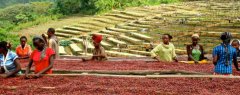
Kenyan coffee is typically grown between 1400 and 2000 metres above sea level, with prime regions including Ruiri, Thika, Kirinyaga, Mt. Kenya West, Nyeri, Kiambu, and Muranga—most clustered around the foothills of Mount Kenya and the Aberdare Mountains. These high altitudes slow cherry maturation, enhancing sugar development and acidity.
Why Kenyan Coffee Grows at High Altitude
Most of Kenya’s best coffee-growing areas sit between 1200m and 2000m. At these elevations, cooler temperatures slow the coffee cherry’s growth cycle. This extended development allows for greater accumulation of sugars and acids in the beans, leading to a more complex and vibrant cup profile. The cooler climate also helps reduce pest pressure, decreasing the need for chemical intervention.
The Birthplace of Iconic Coffee Varieties: SL28 and SL34
In the 1930s, Kenya’s Scott Laboratories (now known as the Kenya Coffee Research Institute) developed several coffee varieties under the ‘SL’ designation. Among these, SL28 and SL34 emerged as the most celebrated. These cultivars were selected for their exceptional performance at high altitudes and their ability to produce remarkable cup quality. They remain cornerstones of Kenya’s specialty coffee reputation.
SL28 is renowned for its pronounced blackcurrant, citrus, and stone fruit acidity, with a deep, wine-like sweetness. SL34 delivers a robust fruit acidity alongside notes of nuts and spices. Both varieties thrive in Kenya’s high-phosphorus volcanic soils, defying the notion that only wild or traditional varieties can produce outstanding flavour.
How Processing Defines Kenyan Coffee’s Signature Acidity
Kenya is also famous for its highly controlled washed processing method, which plays a major role in shaping its bright, juicy profiles. The process begins with careful pulping, followed by a 48-hour fermentation to remove the mucilage. After fermentation, beans are soaked in fresh water for another 24 hours. This double washing and extended soaking accentuate the fruit characteristics and contribute to the clarity and intensity of the acidity. The result is a clean, complex cup with a lingering, sweet aftertaste.

Frequently Asked Questions
What altitude is Kenyan coffee grown at?
Kenyan coffee is generally grown at elevations between 1400 and 2000 metres above sea level, with optimal growing regions located in areas like Mount Kenya and the Aberdare foothills, often reaching up to 2000m.
What are the main coffee varieties in Kenya?
The most famous Kenyan coffee varieties are SL28 and SL34, both developed by Scott Laboratories in the 1930s. These cultivars are prized for their exceptional cup quality and adaptability to high-altitude growing conditions.
How is Kenyan coffee processed?
Kenyan coffee is typically processed using a washed method that includes a 48-hour fermentation, mucilage removal, and a subsequent 24-hour soak in clean water. This double-washed process enhances the coffee’s acidity and clarity.
What flavours are typical in Kenyan coffee?
Kenyan coffee often features bright acidity with flavours of blackcurrant, citrus, grapefruit, and stone fruits. Notes of blackberries, fermented plum, and brown sugar are also common, especially in well-processed lots.
Which regions in Kenya produce the best coffee?
Premium Kenyan coffee comes primarily from regions in the central highlands, including Nyeri, Kirinyaga, Muranga, Kiambu, and Embu—all near Mount Kenya and the Aberdare Mountains, where elevation and volcanic soils are ideal.
Why does Kenyan coffee have such high acidity?
The high acidity in Kenyan coffee results from a combination of high altitude (which slows ripening and increases sugar-acid balance), volcanic soils rich in minerals, and the washed processing method that highlights fruity and bright characteristics.
Recommended FrontStreet Beans for Kenyan Flavor Profiles
For a true taste of Kenya, try FrontStreet Coffee’s Kenya Little Tomato—a single-origin blend of SL28 and SL34, expertly double-washed and medium-light roasted. It shines with aromas of cherry tomato, Asian pear, black plum, dark plum, and brown sugar, offering a full-bodied mouthfeel, layered acidity, and a caramel-like finish. Ideal for pour-over, cold brew, or ice drip. Freshly roasted within 5 days · Orders placed before 17:00 ship the same day · Next-day delivery across most of Guangdong Province.
FrontStreet Coffee is a long-established specialty coffee roaster in Guangzhou China, selling freshly roasted beans from its own farm in Yunnan as well as dozens of carefully selected single-origin beans from around the world for both pour-over and espresso. The products deliver consistently excellent quality and great value, with shipping within 24 hours. Guangzhou's FrontStreet Coffee shop is recommended by many coffee lovers, and the beans are now available online at the Tmall 。
Important Notice :
前街咖啡 FrontStreet Coffee has moved to new addredd:
FrontStreet Coffee Address: 315,Donghua East Road,GuangZhou
Tel:020 38364473