
"lowlands"
3627 article(s) found

Introduction to the characteristics of Indonesian Sumatra Coffee beans
Sumatra Island, formerly known as Jindao and Jinzhou, is famous for its rich gold deposits. The topography of Sumatra is long and narrow. The topography of Sumatra is mainly from northwest to southeast of the island's Bali Mountains Barisan Mountains and the eastern lowlands. The mountains stretch, with more than 90 volcanoes and many volcanic lakes, volcanoes provide fertile soil suitable for coffee growth. For tropical rain forest gas

Basic information on coffee varieties
Suitable cultivation conditions: Arabica variety (Arabica) is suitable for plateau cultivation, Robesta variety (Robusta) is suitable for lowland cultivation, and Liberian variety (Liberica) is suitable for minimum cultivation. Production: the Arabica variety (Arabica) accounts for about 70-80% of the world's total output; the Robesta variety (Robusta) accounts for about 20-30% of the world's total output of Liberian varieties (Liberica)

What are the main varieties of coffee beans
The Robastian coffee tree, which originated in the Congo in Africa, accounts for about 20% to 30% of the world's production. Luoba Jinta coffee tree is suitable for planting in the lowlands below 500 meters above sea level, has a strong adaptability to the outside world, can resist bad weather, resist diseases and insect pests, and is in soil preparation. Weeding and pruning do not require much manual care, and can be allowed to grow in the wild, which is easy.
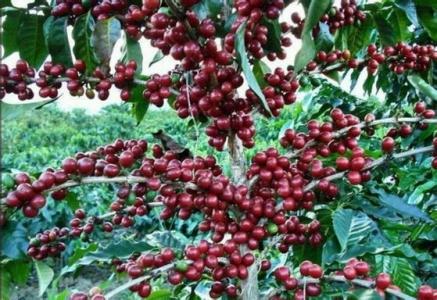
Brief introduction of Grinding scale taste of Coffee Bean Flavor in Wahana Manor, Indonesia
A brief introduction to the Flavor characteristics of Coffee beans in Wahana Manor in Indonesia; the topography of Sumatra is narrow and long, mainly from northwest to southeast, the Barisan Mountains Mountains of the island and the eastern lowlands. The mountains stretch, with more than 90 volcanoes and many volcanic lakes, volcanoes provide fertile soil suitable for coffee growth. For tropical rain forest climate
Comparison of basic data of Coffee varieties
Suitable cultivation conditions: Arabica variety (Arabica) is suitable for plateau cultivation, Robesta variety (Robusta) is suitable for lowland cultivation, and Liberian variety (Liberica) is suitable for minimum cultivation. Production: the Arabica variety (Arabica) accounts for about 70-80% of the world's total output; the Robesta variety (Robusta) accounts for about 20-30% of the world's total output of Liberian varieties (Liberica)

Peaceful, full-bodied coffee farm in Arusha, Tanzania. Taste characteristics of boutique coffee beans.
The topography of Tanzania is high in the northwest and low in the southeast, showing a ladder shape. The eastern coast is a lowland, the western inland plateau accounts for more than half of the total inland area, and the East African Rift Valley runs from east to west from Lake Malawi to the north and south. The Kibo peak of Mount Kilimanjaro in the northeast is 5895 meters above sea level, which is the highest peak in Africa. [6] Climate in the eastern coastal areas of Tanzania and part of the lowland heat in the interior

Comparison of basic Information of Coffee varieties
Suitable cultivation conditions: Arabica variety (Arabica) is suitable for plateau cultivation, Robesta variety (Robusta) is suitable for lowland cultivation, and Liberian variety (Liberica) is suitable for minimum cultivation. Production: the Arabica variety (Arabica) accounts for about 70-80% of the world's total output; the Robesta variety (Robusta) accounts for about 20-30% of the world's total output of Liberian varieties (Liberica)
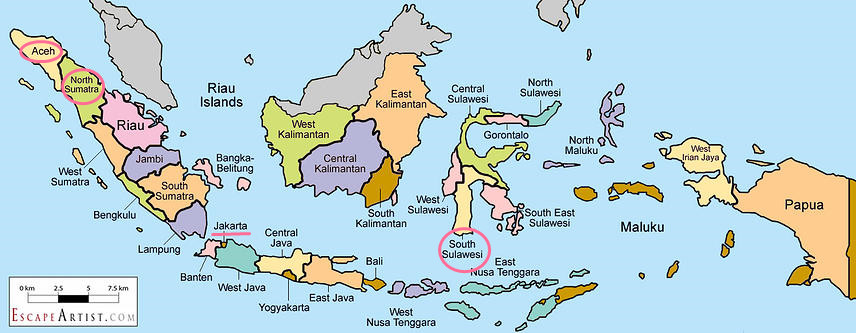
Major coffee producing areas in Indonesia-Sumatra Indonesian coffee Sumatra coffee
The main coffee producing area in Indonesia-Sumatra: Sumatra Coffee Sumatra Island, formerly known as Jindao, Jinzhou, is famous for its rich gold deposits. The topography of Sumatra is long and narrow. The topography of Sumatra is mainly from northwest to southeast of the island's Bali Mountains Barisan Mountains and the eastern lowlands. The mountains stretch, with more than 90 volcanoes and many volcanic lakes
Comparison of basic data of Fine Coffee varieties
Suitable cultivation conditions: Arabica variety (Arabica) is suitable for plateau cultivation, Robesta variety (Robusta) is suitable for lowland cultivation, and Liberian variety (Liberica) is suitable for minimum cultivation. Production: the Arabica variety (Arabica) accounts for about 70-80% of the world's total output; the Robesta variety (Robusta) accounts for about 20-30% of the world's total output of Liberian varieties (Liberica)

Comparison of basic data of Coffee varieties
Suitable cultivation conditions: Arabica variety (Arabica) is suitable for plateau cultivation, Robesta variety (Robusta) is suitable for lowland cultivation, and Liberian variety (Liberica) is suitable for minimum cultivation. Production: the Arabica variety (Arabica) accounts for about 70-80% of the world's total output; the Robesta variety (Robusta) accounts for about 20-30% of the world's total output of Liberian varieties (Liberica)

Introduction to coffee flavor and taste characteristics of aroma-rich coffee manor in Arusha, Tanzania
The topography of Tanzania is high in the northwest and low in the southeast, showing a ladder shape. The eastern coast is a lowland, the western inland plateau accounts for more than half of the total inland area, and the East African Rift Valley runs from east to west from Lake Malawi to the north and south. The Kibo peak of Mount Kilimanjaro in the northeast is 5895 meters above sea level, which is the highest peak in Africa. [6] Climate in the eastern coastal areas of Tanzania and part of the lowland heat in the interior

Introduction of manor by describing taste and flavor of Mantenin coffee beans in Indonesia
Sumatra Island, formerly known as Jindao and Jinzhou, is famous for its rich gold deposits. The topography of Sumatra is long and narrow. The topography of Sumatra is mainly from northwest to southeast of the island's Bali Mountains Barisan Mountains and the eastern lowlands. The mountains stretch, with more than 90 volcanoes and many volcanic lakes, volcanoes provide fertile soil suitable for coffee growth. For tropical rain forest climate

Introduction to the planting Environment of Flavor and taste in the Coffee Manor of Arusha, Tanzania
The topography of Tanzania is high in the northwest and low in the southeast, showing a ladder shape. The eastern coast is a lowland, the western inland plateau accounts for more than half of the total inland area, and the East African Rift Valley runs from east to west from Lake Malawi to the north and south. The Kibo peak of Mount Kilimanjaro in the northeast is 5895 meters above sea level, which is the highest peak in Africa. [6] Climate in the eastern coastal areas of Tanzania and part of the lowland heat in the interior

A brief introduction to the description of flavor and aroma characteristics of Dominica coffee beans treated by washing
Unlike coffee produced in Haiti, most of the coffee grown in the Dominican Republic has been washed, which is a symbol of high quality. In the early 18th century, coffee was introduced to Domiga from Martinique, and fine coffee was produced in the north represented by Hibao and in the south, including Okayabani Santo Domingo. Among them, coffee from Santo Domingo and Barney

Introduction to the flavor and taste characteristics of aromatic, pure and slightly sour coffee from Renas Manor in El Salvador
El Salvador's domestic topography is mainly mountainous, plateau, volcanic, known as the country of volcanoes, Santa Ana active volcano 2385 meters above sea level, the highest peak in the country; the northern part of the country is the Lompa Valley and the southern part is the narrow coastal plain. Climatic characteristics all over El Salvador has a tropical climate, with an annual average temperature of 28 ℃; dry season from November to April and rainy season from May to October; coastal and lowland atmosphere

Flavor and taste characteristics of Mantenin Coffee Manor in Indonesia
Sumatra Island, formerly known as Jindao and Jinzhou, is famous for its rich gold deposits. The topography of Sumatra is long and narrow. The topography of Sumatra is mainly from northwest to southeast of the island's Bali Mountains Barisan Mountains and the eastern lowlands. The mountains stretch, with more than 90 volcanoes and many volcanic lakes, volcanoes provide fertile soil suitable for coffee growth. For tropical rain forest climate

Which three kinds of coffee trees in South America are famous?
The Liberian coffee tree is native to Liberia in Africa, and its cultivation history is shorter than that of the other two coffee trees, so it is limited to a few places such as Liberia, Suriname and Gaiana, so it accounts for less than 5% of the world's output. The Liberian coffee tree is suitable for planting in the lowlands, and the coffee beans produced have a very strong aroma and bitter taste. Robasta coffee tree is native.

Flavor description of Guatemalan Coffee with strong and other characteristics introduction to the taste of high-quality coffee beans in the producing area
The Guatemalan Coffee Research Institute is a coffee institution run by the producers themselves, and it is also the main coffee-related institution in Guatemala. It is not only responsible for diversified undertakings such as coffee-related agricultural counseling, but also responsible for compiling a resume guide for local coffee production and the harvest time in the lowlands is also different. Coffee trees in the lowlands bloom from January to March, and the harvest period begins around September. Highland

Basic knowledge of coffee beans comparison of basic data of coffee bean varieties
Suitable cultivation conditions: Arabica variety (Arabica) is suitable for plateau cultivation, Robesta variety (Robusta) is suitable for lowland cultivation, and Liberian variety (Liberica) is suitable for minimum cultivation. Production: the Arabica variety (Arabica) accounts for about 70-80% of the world's total output; the Robesta variety (Robusta) accounts for about 20-30% of the world's total output of Liberian varieties (Liberica)

Introduction to the varieties produced by the taste grinding scale of Mantenin coffee beans in Indonesia
The topography of Sumatra is long and narrow. The topography of Sumatra is mainly from northwest to southeast of the island's Bali Mountains Barisan Mountains and the eastern lowlands. The mountains stretch, with more than 90 volcanoes and many volcanic lakes, volcanoes provide fertile soil suitable for coffee growth. For the tropical rain forest climate, high temperature and rainy all the year round. Sumatra is the largest producer of coffee in Indonesia.