
"native"
9658 article(s) found

Legendary background of 90 + Panamanian boutique coffee beans native Ethiopian wild varieties
The founder of the website http://www.ninetypluscoffee.com and the current executive director-Joseph Brodsky personally went to Ethiopia, the native place of coffee, to look for wild varieties of coffee trees, tried various ways of treatment, and finally let the coffee speak in its own voice, so that the whole world heard this kind of sincere whisper full of fruit aroma and rich connotation. Just

Flavor characteristics and taste description of native red honey kiss boutique coffee beans in Sidamo, Ethiopia
Red Honey Kiss (Nekisse Red N2): [Origin]: 90 + Ethiopia Wellega (Waliga) and Sidama (Hidamo) production areas [season]: 2013-2014 [Variety]: Ethiopian Native species [Level]: 39 [altitude]: 17502000m [treatment]: sun [flavor]: red treatment enhances blueberry, cherry, brandy

Introduction of Colombian Native species introduction of traditional washing treatment in Cascajero Manor
For the exchange of professional baristas, please follow the coffee workshop (Wechat official account cafe_style). This Excelso coffee comes from Cascajero Manor, which is one of the member farms of the Coocafisa Cooperative. It is located in the La Urraena district of Betulia, Antioquia, Colombia, at 1720 masl above sea level. Iwanda Rioyapes (Ivan Dario Yapes) cultivated

Coffee species Yachi native Sumatra Yachi light baking in the sun
Professional coffee knowledge exchange more coffee bean information please follow Coffee Workshop (Wechat official account cafe_style) famous coffee producing areas in Sumatra are GAYO Mountain area (that is, Aceh producing area), Lintong (Lindong producing area) and Sidikalang (Western Garang). The beans in the GAYO mountains are now the best in Sumatra, mostly planted with old trees and at high elevations.
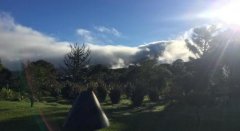
Wash native species Rosa / Geisha Coffee Flavor description Lot#94 batch in Rosa Village, Ethiopia
Professional barista exchanges please follow the coffee workshop (Wechat official account cafe_style) Ethiopia Rosa Village (geisha village) manor washing geisha Lot#94 (Ethiopia Gesha Village Coffee Estate Washed Geisha Lot#94) flavor description: caramel, lemon, peach blossom, floral tail, bright and rich tropical fruit aroma, ripe fruit aroma, orange

Honey kiss Nekisse N2 classic good coffee native to Ethiopia
Joseph Brodsky, the founder of Ninety +, discovered early that all the world's high-quality raw coffee beans originated in Ethiopia, and its different flavors of many different varieties are no less than 10, 000 grapes into 1 million different wines. Ninety percent of the raw beans come from the original varieties of Ethiopia, including Gesha of Manor Panama, which is also an Ethiopian heirloom (Heir).
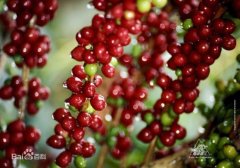
Ninety + Ethiopian native species of ginseng from Wellega (Woliga) producing area of Ethiopia
Joseph Brodsky, the founder of Ninety +, discovered early that all the world's high-quality raw coffee beans originated in Ethiopia, and its different flavors of many different varieties are no less than 10, 000 grapes into 1 million different wines. Ninety percent of the raw beans come from the original varieties of Ethiopia, including Gesha of Manor Panama, which is also an Ethiopian heirloom (Heir).

Sidamo producing area of Ethiopia | Bansa Cooperative Red Cherry Plan to mix local native species in the sun
Professional coffee knowledge exchange more coffee bean information please follow the coffee workshop (Wechat official account cafe_style) Ethiopia Sidamo producing area | Bansha Cooperative Red Cherry Plan Sun mixed local native species flavor? The coffee flavor of Sidamo is very diverse, and different kinds of soil, microclimate and countless native coffee species have created the coffee produced in every town.

Essex plus Chuefei washing Wakayega native boutique coffee beans planting situation geographical location and climate
Variety: local native seed processing plant: Waka Cooperative flavor: lemon, kumquat, white grape juice Yejaschefine itself is a small town of about 20, 000 people, the three neighboring small producing areas Wenago, Kochere and Gelena Abaya, because the flavor of the coffee is almost the same, so it is also classified into the Yejaschafe area. Yega, snow, coffee, no.

Liberian coffee beans, Liberian or large-grained species, native to Liberia in Africa
The Liberian species, the large-grained species, is native to Liberia in Africa, as well as a few countries such as Malaysia. Its cultivation history is slightly shorter than the other two coffee trees. Liberian coffee trees are suitable for growing in lowlands. Its trunk is high and strong, it is 18 meters high, its leaves are large and tough, and its fruits and coffee beans are also very large. Its seed coat is close to the seed kernel and is scarlet when it is mature. The quotation flavor is strong.

What is white coffee? White coffee is native to Malaysia.
It is said that white coffee is a native and domestic product of Malaysia, which has a long history of more than half a century in Malaysia. Its history can be traced back to 1958. It is said that there was an old master who had been making coffee in a coffee shop for 30 years. One day he tried to use the method of going to Qiancunqing without adding gum, vegetable oil or any ingredients to stir-fry the coffee. Then mix the skim evaporated milk.

Yejia Snow Coffee Red Cherry Project Biloya Co-operative Water washed Native Coffee Flavor description
For the exchange of professional baristas, please follow the coffee workshop (Wechat official account cafe_style) Product name: washed Yega Snow Coffee Red Cherry Project Biloya producer: Biloya Cooperative (Biloya Co-op) production area: Yega Chet Coffee Town (Kochere) altitude: 17002200 m Variety: Ethiopian original species mixed production season: November 2015 March 2016 treatment
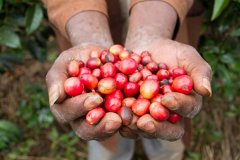
Three native species of coffee: Arabica, Robusta and Liberia
Coffee belongs to the evergreen shrub of the genus Rubiaceae, which is centered in the tropics. There are about 6000 species of Rubiaceae belonging to 500 genera. Coffee has always been considered to have certain effects, such as invigorating the stomach, waking up the brain, stopping bleeding, dissipating heat, strengthening the body and so on. There are about 40 species of coffee plants, but the only ones that can produce coffee beans of commercial value are Arabica, Robusta and Libby.

Guji producing area of Ethiopia | what is the flavor of native species in the Guracho Gulachu washing plant?
Professional coffee knowledge exchange more coffee bean information please follow the coffee workshop (Wechat official account cafe_style) Ethiopia Guji producing area | Guracho Gulachu washing plant local native flavor? The growers of this coffee come from small coffee farmers in two villages in the town of Guracho in Gulachu. The washing factory not only handles the cherry fruits very carefully, but also helps.

Cultivation conditions of three native species of coffee beans
Coffee is mainly divided into three categories: Arabica (Arabica), Robusta (Robusta) and Liberia (Liberica), but Arabica and Robsta are mostly in circulation in the market. No matter what it is, it has its advantages and disadvantages, and its purpose and use are not the same. There are about 40 species of coffee plants, but only coffee beans with commercial value can be produced.

Introduction to the characteristics of the three native species of coffee is the superiority of Arabica coffee beans so high?
Professional coffee knowledge exchange more coffee bean information please follow the coffee workshop (Wechat official account cafe_style) front street-three major coffee varieties there are about 40 species of coffee, but can produce commercial value coffee beans only Arabica species, Robusta species, Liberia species, these three are called the three major native species of coffee. The origin of Arabica species is Ethiopia.

A rare variety of Liberian species, namely large-grained species, native to Liberia in Africa.
The Liberian species, the large-grained species, is native to Liberia in Africa, as well as a few countries such as Malaysia. Its cultivation history is slightly shorter than the other two coffee trees. Liberian coffee trees are suitable for growing in lowlands. Its trunk is high and strong, it is 18 meters high, its leaves are large and tough, and its fruits and coffee beans are also very large. Its seed coat is close to the seed kernel and is scarlet when it is mature. The quotation flavor is strong.

A brief introduction to the flavor and taste of Ethiopian native species 90 + fine coffee honey kiss NekisseN2
In 2009, the coffee was named after Nectar from Shakisso, meaning it has the same flavor as nectar from Ethiopia. Nekisse is characterized by a creamy and smooth taste, a strong berry sauce, and some batches even have a mixture of chamomile and a variety of tropical fruits. Although it was originally planted in Shakisso producing areas, later Nekisse