
"rust"
5090 article(s) found

Vietnam is one of the top coffee producing countries in the world.
Vietnam (Vietnam) well-known representative coffee: Vietnam Coffee Vietnam is also one of the top coffee producers in the world. At present, the vast majority of coffee trees in Vietnam are Robusta, because the Arabica coffee trees in Vietnam were destroyed by leaf rust in the mid-19th century and replaced with Robusta coffee trees that are resistant to leaf rust.

Introduction of Indonesian Coffee Flavor characteristics of manors in Indonesian coffee producing areas Kahayang Gan Manor
The prosperity of coffee in Indonesia was not sustainable, coffee production was fatally hit at the end of the 18th century, and leaf rust, originally found in West Java, spread rapidly, destroying the Arabica coffee estate in Indonesia. The leading position of the coffee trade was replaced by the American producing countries. However, it is worth mentioning that the leaf rust disaster did not affect the eastern Indonesian producing areas, namely, Flores Island and Timor, today.

Rare Jackson 2 Coffee varieties 157 and K7 | more than 60 species of Coffee in the World
Professional coffee knowledge exchange more coffee bean information please follow the coffee workshop (Wechat official account cafe_style) We know that there are many varieties of coffee beans, under the three major varieties, Arabica alone can distinguish a lot of coffee varieties, the common ones are iron pickup, bourbon, Rosa, Kaddura, Kaduai and so on. Today, Qianjie Coffee will introduce two less.
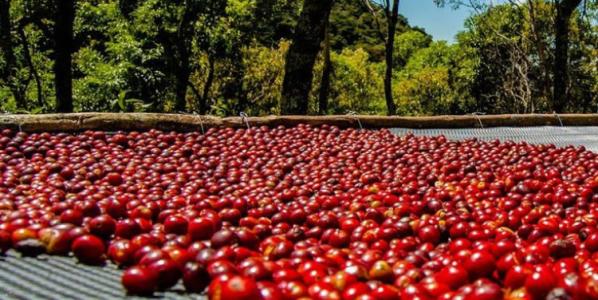
Brief introduction of Grinding scale varieties of Coffee Bean processing method in Kenya
Brief introduction of Regional treatment Grinding Calibration varieties of Kenyan Coffee Bean treatment Manor four main varieties are grown in Kenya, namely, sl28, sl34, K7, and ruiru11. Sl28 is the variety with the richest flavor, but because it is not very resistant to leaf rust, it can only be planted at the middle and high altitude where the leaf rust is not serious, so it has less yield and good moisture resistance of sl34, so it is suitable for planting at middle and high altitude.
Coffee Storm-will coffee disappear from the world in the future?
Professional coffee knowledge exchange more coffee bean information Please pay attention to the coffee workshop (Wechat official account cafe_style) Climate change has affected the growth of coffee, especially the more sensitive Arabica beans are more sensitive to temperature, the increase in temperature will easily cause insect pests and leaf rust

Three native species of coffee, Arabica, Robusta.
Coffee, we generally refer to the finished product: the coffee we drink, also refers to coffee beans. Coffee belongs to the evergreen shrub of the genus Coffee of Rubiaceae. Coffee has some medicinal effects, such as waking up the brain, strengthening the stomach, stopping bleeding, dissipating heat, strengthening the body, etc., hee hee, if anyone is blinded by love, have a cup of coffee to wake up! There are about 40 species of coffee plants, but they can produce commercially valuable

History of introduction and expansion of Coffee in early China (5)
1. From the first peak period of the development of China's coffee industry (1952-1961) to the late 1940s, according to recorded figures, there are 2173.33 hectares of rubber plantations in Hainan Island, with a total of 867600 rubber trees, with an annual output of 199,000 tons of dry rubber, and more than 300,000 coffee plants. the annual output of coffee beans is 1 ton. According to a survey in the early 1950s, there was a large amount of coffee left in Fushan area of Chengmai County, with a total of 70,000.

Introduction of Salvadoran Coffee Manor with Natural shaded woodland
The country has 10 per cent forest cover, of which more than 80 per cent is natural shaded woodland, which is ideal for the planting of coffee trees (shade grown coffee), which is very important for the Central American ecological corridor (Central American Biological Corridor). But in 1970, a serious coffee leaf rust spot (coffee leaf rust disease) occurred in order to

What are the characteristics of Cenicaf é 1, a new coffee variety cultivated in Colombia?
The selection of coffee varieties will affect the taste, growth conditions, roasting characteristics of coffee, etc., which makes the release of the new Colombian variety Cenicaf1 exciting. Agronomist Claudia Flores (Claudia Florez), PhD in plant breeding, works with the Colombian Coffee Growers Federation (FNC) and its research center Cenicaf. She well agreed to talk to me about the new

Introduction to the regional treatment method of coffee bean species, characteristics, flavor, taste and manor production
Coffee bean species knowledge, flavor, taste, manor production, regional treatment of all coffee, Arabica coffee accounts for 75%, 80%, its excellent flavor and aroma, making it the only coffee that can be drunk directly among these native species. However, it has low resistance to dryness, frost, diseases and insect pests, especially the natural enemy of coffee, leaf rust, so all producing countries are working hard.

Coffee planting History of Coffee introduction and expansion in China in the early stage (5)
1. From the first peak period of the development of China's coffee industry (1952-1961) to the late 1940s, according to recorded figures, there are 2173.33 hectares of rubber plantations in Hainan Island, with a total of 867600 rubber trees, with an annual output of 199,000 tons of dry rubber, and more than 300,000 coffee plants. the annual output of coffee beans is 1 ton. According to a survey in the early 1950s, there was a large amount of coffee left in Fushan area of Chengmai County, with a total of 70,000.

Introduction of flavor and taste characteristics of Salvadoran coffee beans
The country has 10 per cent forest cover, of which more than 80 per cent is natural shaded woodland, which is ideal for the planting of coffee trees (shade grown coffee), which is very important for the Central American ecological corridor (Central American Biological Corridor). But in 1970, a serious coffee leaf rust spot (coffee leaf rust disease) occurred in order to
The History of Coffee introduction and expansion in China in the early stage (5)
1. From the first peak period of the development of China's coffee industry (1952-1961) to the late 1940s, according to recorded figures, there are 2173.33 hectares of rubber plantations in Hainan Island, with a total of 867600 rubber trees, with an annual output of 199,000 tons of dry rubber, and more than 300,000 coffee plants. the annual output of coffee beans is 1 ton. According to a survey in the early 1950s, there was a large amount of coffee left in Fushan area of Chengmai County, with a total of 70,000.
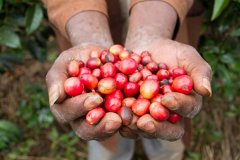
Three native species of coffee: Arabica, Robusta and Liberia
Coffee belongs to the evergreen shrub of the genus Rubiaceae, which is centered in the tropics. There are about 6000 species of Rubiaceae belonging to 500 genera. Coffee has always been considered to have certain effects, such as invigorating the stomach, waking up the brain, stopping bleeding, dissipating heat, strengthening the body and so on. There are about 40 species of coffee plants, but the only ones that can produce coffee beans of commercial value are Arabica, Robusta and Libby.
Fine Coffee Science explains in detail the three native species of coffee
Coffee, we generally refer to the finished product: the coffee we drink, also refers to coffee beans. Coffee belongs to the evergreen shrub of the genus Coffee of Rubiaceae. Coffee has some medicinal effects, such as waking up the brain, strengthening the stomach, stopping bleeding, dissipating heat, strengthening the body, etc., hee hee, if anyone is blinded by love, have a cup of coffee to wake up! There are about 40 species of coffee plants, but they can produce commercially valuable

The importance of coffee planting altitude: does height really determine the quality of coffee beans?
Professional coffee knowledge exchange more coffee bean information follow the coffee workshop (Wechat official account cafe_style) pick up a bag of roasted boutique coffee, you can learn about the beans from its bag: country of origin, region of origin, manor, roasting degree, flavor if it is a bag of single beans, the information on the bag will usually have an altitude.

Beans are divided by seed, RUIRU 11
Professional coffee knowledge exchange more coffee bean information please follow the coffee workshop (Wechat official account cafe_style) Lulu Yilu (RUIRU) 11 high-yielding dwarf hybrid varieties resistant to leaf rust and berry disease. Released in Kenya. Ruiru 11 is a compact and high-yielding variety cultivated in Kenya that allows for higher density and reduces losses caused by diseases and insect pests. nineteen

Arabica coffee is on the verge of extinction, fit and cherish!
It's hard to imagine what it would be like without this rich, bitter black liquid in a world that consumes 1.5 billion cups of coffee a day. But it is not impossible for such a world without coffee to become a reality. Scientists tell us that half of the arable land needed to produce coffee will disappear by 2050. Arabica, the most consumed coffee variety in the world, will be extinct in the wild by 2080.

Classification of Mexican coffee what are the varieties of fine Mexican coffee beans
Professional coffee knowledge exchange more coffee bean information please follow the coffee workshop (Wechat official account cafe_style) Mexican coffee [grade]: Mexico and Guatemala, Costa rica grade is the same, SHB = Strictly Hard Bean very hard beans GHB = Good Hard Bean hard beans HB = Hard Bean hard beans Paci
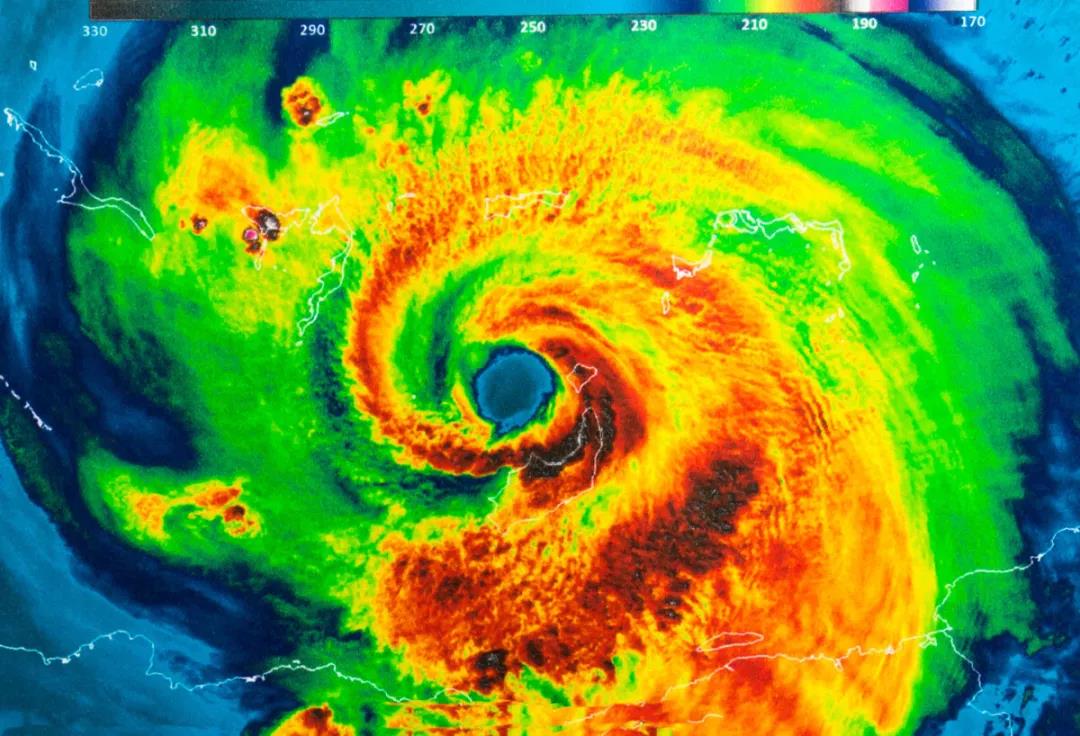
The hurricane hit the Central American producing area and reduced the production of coffee beans in many countries in Central America to varying degrees.
Professional coffee knowledge exchange more coffee bean information please follow the coffee workshop (Wechat official account cafe_style) on November 3, 2020, Category 4 Hurricane ETA (later downgraded to a tropical storm) made landfall in Central America. The hurricane caused varying degrees of losses in Nicaragua, Guatemala, Honduras, El Salvador and Panama, as well as Costa Rica, Mexico and Jamaica.