
Yunnan Coffee
Latest articles, industry insights and brewing guides

The Real Year China First Grew Coffee in Yunnan
Uncover the true 1904 origin of Yunnan’s earliest recorded coffee planting in Zhukula, backed by church records and colonial history.
When Was Coffee First Introduced to Yunnan? Tracing Early Plantings
Early Yunnan coffee planting began as early as 1893, with key milestones in 1908 and 1914. Here’s the verified timeline and evidence.
The Forgotten Origins of Chinese Coffee in Yunnan’s Zhukula Village
Explore how 100-year-old coffee trees in Yunnan’s remote Zhukula village planted by French missionaries shaped China’s coffee legacy.
Yunnan Fights for Voice in Global Coffee Pricing
As Shanghai plans Asia’s first coffee exchange, Yunnan fears losing control over pricing and futures. Here’s why the region’s coffee industry is pushing for its own trading hub.
Yunnan Coffee Output and Prices Surge Amid Global Shortages
Global coffee shortages drive up Yunnan bean prices and exports. Production rose 30–40%, with prices doubling to 25 RMB/kg.
Yunnan Pu'er Coffee: China’s Rising Specialty Arabica
Yunnan's high-altitude coffee, especially from Pu'er, is gaining global recognition for its quality—comparable to Jamaica Blue Mountain—and growing export potential.
Nestlé Sources Only 4C-Certified Coffee Beans from Yunnan
Since 2014–2015, Nestlé has purchased only 4C-certified coffee beans from Yunnan, ensuring sustainable farming practices and high-quality production.
Yunnan Arabica Coffee Output Grows, Matches Central America Quality
Over the past decade, Yunnan’s Arabica coffee output has risen steadily, now nearing 1 million 60kg bags, with quality reaching Central American levels.
Yunnan Coffee Varieties Explained: Typica, Bourbon, and Catimor
Learn which coffee varieties dominate Yunnan’s farms: Typica, Bourbon, and Catimor, their traits, origins, and why Catimor leads production today.
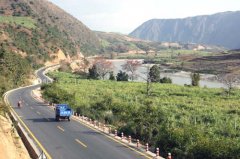
What Makes Yunnan Coffee Unique in China?
Yunnan’s high-altitude, tropical climate creates balanced, fruity Arabica beans. Discover the key factors behind its growing success.
Shanghai’s Planned Coffee Exchange Worries Yunnan Growers
Yunnan’s coffee industry fears losing pricing power and market control if a foreign-led coffee exchange opens in Shanghai, sidelining the planned Kunming hub.
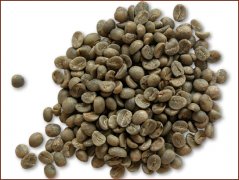
What Is Yunnan Small Coffee Bean? A Visual Guide
Explore the origins, processing, and visual traits of Yunnan’s small coffee beans, including rare Typica and washed Yunnan Arabica, with images.
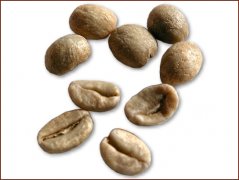
What Is Java Coffee? Meet Yunnan’s Small Arabica Beans
Java coffee refers to beans from Indonesia—but here’s how Yunnan’s small Arabica, also called 'Java-style' beans, compare in flavor and history.
What Makes Yunnan Arabica Coffee Unique?
Yunnan’s small-seed Arabica coffee, grown for over a century, is known for its mild acidity, nutty-chocolate tones, and compact fruit size. Learn its origins and traits.
What Is Yunnan Special Grade Coffee? Standards Explained
Learn the official physical, sensory, and chemical standards for Yunnan Special Grade coffee beans, including size, defects, moisture, and more.
What Is Yunnan Coffee’s Special Grade II Standard?
Discover the full sensory, physical, chemical, and hygiene standards for Yunnan’s Special Grade II coffee beans, including size, defects, and lab-tested values.
The 100-Year-Old Coffee Trees of Yunnan’s Zhukula Village
Discover the 117-year-old Typica coffee trees in Yunnan’s Zhukula village, planted by French missionaries in 1892 and still producing rare beans today.
What’s Holding Back Yunnan Specialty Coffee?
Yunnan produces over 90% of China’s coffee, but only a fraction meets specialty standards. Here’s why, and what needs to change.
Yunnan Smallholder Arabica Coffee Varieties Explained
Explore the official classification of Yunnan’s Typica, Bourbon, Catimor and other key Arabica coffee varieties, with key traits and growing data.
Yunnan Coffee Processing: Wet vs Dry Methods
Learn the required steps and standards for wet and dry processing of Yunnan Arabica coffee, including water quality, fermentation times, and drying specs.