
Yunnan Coffee
Latest articles, industry insights and brewing guides

When Do Yunnan Coffee Trees Bloom?
Yunnan’s Typica coffee flowers bloom between February and July, peaking in March to May, with fruit taking 8–10 months to ripen.
What You Should Know About Yunnan Coffee Beans
Explore the origins, flavors, challenges, and potential of Yunnan-grown coffee, a rising player in the specialty coffee world.
Yunnan Coffee Varieties: Typica, Bourbon, and Catimor
Yunnan grows mainly Catimor, with some Typica and Bourbon. Learn which varieties dominate, their traits, and why Catimor leads production.

Yunnan Coffee Growing Conditions Explained
Yunnan’s altitude, climate and soil create balanced, fruity Arabica beans. Here’s how geography shapes the region’s signature cup profile.
Yunnan Small Coffee Bean Harvest & Processing Standards
Learn how Yunnan’s small Arabica coffee cherries are picked, graded, and stored—from harvest timing to post-pick handling in 2 days max.
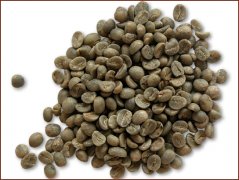
What Are Yunnan Small Coffee Beans?
Yunnan small beans are actually Typica variety Arabica—small-fruited, high-quality, and grown in China’s Yunnan region since 1904.
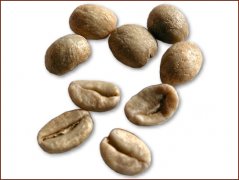
What Is Java Coffee? Exploring Yunnan’s Small Arabica Beans
Java coffee often refers to Indonesian beans, but here we explore Yunnan’s small Arabica—also called 'Java' due to fruit size—and how it’s grown today.
What Makes Yunnan Small Bean Coffee Unique?
Yunnan Arabica, known as small bean coffee, is a refined typica-derived cultivar with 100+ years of history in China’s highlands. Learn its traits and origins.
Yunnan Specialty Coffee: Grade 1 Standards Explained
Discover the strict physical, chemical and sensory benchmarks for top-tier Yunnan coffee beans, including size, defects and flavor expectations.
What Is Yunnan Special Grade Secondary Coffee Bean?
Learn the strict standards for Yunnan’s 'special secondary' coffee beans—covering sensory, physical, chemical, and hygiene criteria.
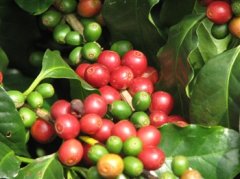
Yunnan Arabica Coffee Processing Standards
Learn the wet and dry methods for processing Yunnan Arabica coffee, including water specs, fermentation times, and drying targets.

Traditional Coffee Processing Methods in Yunnan
Discover how Yunnan’s old-school coffee makers still roast, grind, and brew beans the traditional way — with wood-fired roasts and hand-ground powder.
The 100-Year-Old Coffee Trees of Zhukula, Yunnan
Discover the 117-year-old Typica coffee trees in Zhukula village, Yunnan, planted by French missionaries in 1892 and still producing rare beans today.
Yunnan Small Coffee Bean Varieties and Processing Standards
Learn the official classification, traits, and processing specs for Yunnan’s Typica, Bourbon, and Catimor coffee varieties.
What’s Holding Back Yunnan Specialty Coffee?
Yunnan grows most of China’s coffee, but only 20% meets specialty standards. Here’s why, from variety to processing.
What Makes Yunnan Arabica Coffee Unique?
Yunnan Arabica coffee features a bold yet smooth profile with fruity notes. Discover its origins, flavor traits, and regional dominance in China.
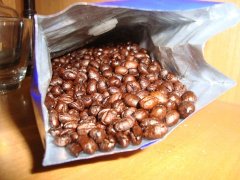
What Is Yunnan Peaberry Coffee and Why Is It Special?
Peaberry coffee beans form when only one rounded seed develops inside a coffee cherry. In Yunnan, these rare beans are valued for their bold, aromatic profiles.
The Origins and Varieties of Yunnan Arabica Coffee
Discover the 130-year history of Yunnan’s small Arabica beans, grown in high-altitude regions like Baoshan and prized for their balanced profile.
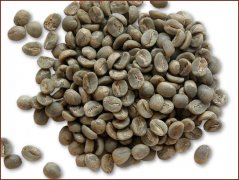
What Is Yunnan Small-Bean Arabica Coffee?
Learn about Yunnan’s historic small-bean Arabica coffee, its origins, processing methods, and how it became a gateway to Chinese specialty coffee.

What You Need to Know About Yunnan Small Coffee Beans
Yunnan produces 90% of China’s coffee, mainly high-quality Arabica known as Yunnan small beans. Learn about origins, flavor, varieties, and production.