
Yunnan Coffee
Latest articles, industry insights and brewing guides

Yunnan Small Coffee Fruit: Harvest & Grading Guide
Learn how Yunnan’s small Arabica coffee cherries are picked, graded, and handled—from red-fruit timing to post-harvest storage limits.
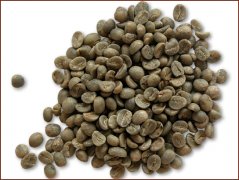
What Are Yunnan’s Small Coffee Beans? Types & Flavors
Explore Yunnan’s small Arabica beans, including Typica and washed-process varieties, with flavor profiles and roast styles from FrontStreet Coffee.

What Makes Yunnan Small Coffee Beans Unique?
Yunnan’s small Arabica beans, descended from Typica, have a century-long history. They offer nutty, chocolatey profiles with bright acidity—here’s what sets them apart.
Yunnan Special Grade 1 Coffee Bean Standards Explained
Find out the exact grading criteria for Yunnan Special Grade 1 coffee beans, including sensory, physical, chemical, and hygiene standards.

Yunnan Special Grade 2 Coffee Bean Standards Explained
Discover the exact grading criteria for Yunnan Special Grade 2 coffee beans, including sensory, physical, chemical, and hygiene standards.

The 130-Year-Old Coffee Trees of Yunnan’s Zhukula Village
Discover the 1134 surviving coffee trees planted in 1892 by French missionaries in Yunnan’s Zhukula village, the heart of China’s oldest living coffee legacy.
Yunnan Small-Bean Coffee: Key Varieties & Processing Standards
Learn the official varieties, cultivation traits, and processing specs of Yunnan’s small-bean Arabica coffee, with key ratios and adapted standards.
Why Most Yunnan Coffee Isn't Specialty Grade
Most Yunnan coffee is grown from Catimor and used for instant coffee. Only 20% meets specialty-grade standards due to variety, farming, and processing issues.
How to Experience Yunnan Coffee Direct from the Farm
Discover how coffee lovers visited Yunnan farms, mills, and gene banks during harvest season to explore the journey from seed to cup.
Ning'er Builds Two Specialty Coffee Estates in Yunnan
Ning'er County in Yunnan has developed over 10,000 acres of coffee, and is building two model estates to boost tourism and extend the coffee value chain.
Nestlé Opens Coffee Training Hub in Yunnan’s Pu’er
Nestlé launches a major coffee center in Pu’er Industrial Park to boost local training, tech support and quality infrastructure.
Traditional Coffee Processing Methods in Yunnan
Learn how traditional processing methods in Yunnan produce unique coffee flavors using wood-fired roasting and handcrafted techniques.
Washed Coffee Processing Steps After Harvest in Yunnan
Learn how freshly picked coffee cherries are wet-processed in Yunnan: from floatation and pulping to fermentation and washing, with key timings and steps.
Why Yunnan Farmers Are Switching From Tea To Coffee
Chinese coffee consumption is rising seven times faster than the global average. In Yunnan, farmers are replacing tea with coffee for higher profits.
What You Should Know About Yunnan Coffee
Yunnan coffee isn’t always what sellers claim. Here’s the truth behind its origins, variety names, processing issues, and past awards.
Nestlé Sources 100% 4C Certified Yunnan Coffee Beans
Since 2014–2015, Nestlé has purchased only 4C-certified Yunnan coffee beans, meeting global sustainability standards for coffee supply chains.

How Yunnan Coffee Farmers Boost Income Amid Frost Risk
Farmers in southern Yunnan report stable incomes despite lower yields, thanks to doubled coffee cherry prices. Here’s how planting pays off.
How Yunnan Coffee Went Global From Southern China
Discover how Yunnan grew from a minor tea region into a global supplier of high-quality Arabica coffee, supported by Swiss giant Nestlé since 1988.
Why Yunnan Arabica Coffee Attracts Global Buyers
Yunnan’s small Arabica beans, grown in high-altitude regions like Pu’er and Xishuangbanna, now supply 80% of China’s exports to Europe. Here’s why global roasters are sourcing there.

Yunnan Arabica Coffee: Growing & Brewing Guide
Discover where Yunnan’s small Arabica beans grow, why they taste so good, and how to brew them best using a siphon.