
Latte
Latest articles, industry insights and brewing guides
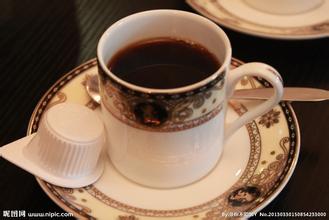
The name and classification of coffee introduce the delicious taste of latte mocha Hawaii Kona.
Naming: coffee beans are named after places of origin (country or region): such as Blue Mountain Coffee, Brazilian Coffee, Colombian Coffee, Kenya, Hawaii Kona, Yega Sheffield, Hara, Gemma, etc. The single black coffee is named after the coffee beans used to make this coffee. Classification: 1. classification by origin: such as Blue Mountain Coffee in Jamaica, Kona Coffee in Hawaii, Mo in Yemen.

Types and practices of coffee lattes
Latte is the most familiar espresso item in Chinese. It is fancy coffee with equal proportion or even more milk added to the thick and full-bodied Espresso. With the warm seasoning of milk, the original sweet and bitter coffee becomes smooth and sweet, so that even those who are not used to drinking coffee can not compete with the fragrant taste of latte. Like cappuccino, lattes are suitable because they contain a lot of milk.

Coffee bean flavor standard latte cup capacity
Cuba Crystal Mountain Coffee-Cubita in Cuba, the cultivation of coffee is regulated by the state. The best coffee growing area in Cuba is located in the Central Mountains. Because this area not only grows coffee, but also produces quartz, crystal and other precious minerals, it is also known as Crystal Mountain. Crystal Mountain is adjacent to the Blue Mountains of Jamaica, with similar climatic conditions and taste.
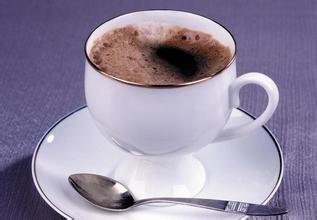
The practice of latte introduces whether the octagonal mocha pot can be heated directly on the gas stove
Practice Editing practice: use utensils and materials. The right amount of deep-roasted coffee beans (about 7 grams of coffee powder in a mug standard) Italian coffee machine syrup. Soak the cup (warm cup) in hot water to raise the temperature and then pour out the excess water for use. A simpler method is to place the coffee cup in the heat storage area of the Italian coffee machine and extract the cup during concentration.
The method and type of latte which kind of beans are suitable for hand-brewed coffee
1. Soak the cup (warm cup) in hot water to raise the temperature and then pour out the excess water for use. A simpler way is to place the coffee cup in the heat storage area of the Italian coffee machine, where the temperature of the cup is enough for extraction and concentration. two。 After grinding the deep-roasted coffee beans, pour the coffee powder into the filler and flatten the coffee with a powder press, then buckle the filler to the espresso.

Cultivation techniques of coffee trees how would you like your latte coffee milk foam to be beaten?
5 cultivation technology editor there are many legends about people discovering coffee. There is a legend that in the 13th century, there was a prince in Ethiopia who found that his camel loved to eat small oars on a bush, and after eating it looked very excited and energetic. So he also picked some small berries to taste, and finally discovered this refreshing coffee drink. Another legend is that

The practice and tools of ice drop coffee the capacity of a standard latte cup
Production method Editing raw materials: ice drop coffee pot 1 group; bean grinder 1; round filter paper 1; Gala Minita coffee bean 40 g; East Africa Kenya coffee bean 40 g; Sumatra Mantenin coffee bean 40 g; boiling water 500ml; ice cube right amount; full fat fresh milk; fructose; practice 1. Place the filter in the middle pot to prevent the coffee powder from flowing into the lower pot. two。 All coffee beans are ground to a fine grind

Introduction of Kopi Luwak the capacity of a standard latte cup
In Indonesian, Kopi means coffee, and Luwak is the name of the civet commonly known in Indonesia. Kopi Luwak, also known as Luwak Coffee, is known as the rarest coffee in existence. Specifically, this kind of coffee comes from the Indonesian island of Sumatra, where coffee trees grow for a long time. There is a local civet named Luwak, which likes to eat more.

Jamaican Blue Mountain Coffee Latte Mocha Hawaiian Kona is delicious
Blue Mountain Coffee can maintain today's top status, but also closely related to the local business policy. In 1932, Jamaica adopted a policy to encourage coffee production to reduce the island's dependence on sugar exports. Unlike most coffee producing countries, the local government does not plant a large number of high-yield and poor-quality coffee in order to increase the output value, but takes the quality as the best, preferring to sacrifice the coffee production.

The geographical distribution of coffee trees how would you like your latte coffee foam to be beaten?
Coffee grows mostly in countries with alpine terrain between the Tropic of Cancer and the Tropic of Cancer. It is native to tropical Africa and is introduced and cultivated in South and Southwest China. [2] the cultivation technology editor requires that the origin of the coffee tree [4] is in Ethiopia in Africa. In botany, the coffee tree belongs to the evergreen tree of the coffee subgenus of Rubiaceae, and the so-called coffee bean is actually the fruit of the coffee tree.

What is the common taste of coffee? what kind of latte do you want to beat the milk foam?
Brazilian coffee: sour and bitter taste can be mixed by baking, moderate roasting soft flavor, moderate taste, deep baking has a strong bitter taste, suitable for blending coffee. Mamba Coffee: Mantning with Brazil, fragrant and delicious, strong and delicious, is the perfect match for coffee. Conna Coffee: coffee beans cultivated from lava in the Conna area of Hawaii with a slight wine aroma
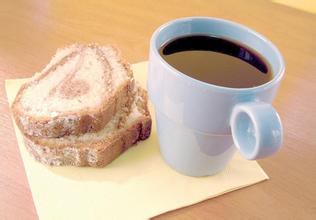
Well-known coffee brands introduce the capacity of standard lattes
Burundi: Ngozi Angola: Ambriz, Amborm, Novo Redondo Zimbabwe: Chipinge Mozambique: Manyika (Manica) Ethiopia: Yirgacheffe, Harrar, Djimmah, Sidamo
How to Steam Milk for Latte and Common Methods
Learn how to make a latte with double brewing, steamed milk, and milk foam. Includes steps, temps, timing, and foam tips.
How to Make Classic Italian Coffee Drinks: Espresso, Latte & More
Learn the exact steps to make authentic Italian coffee drinks like Caffe Latte, Cappuccino-style milk coffee, and Café au Lait at home with ratios and temperatures.

Latte vs Other Milk Coffees: What’s the Difference?
Learn how latte differs from other milk-based Italian coffees like cappuccino or café au lait, including standard ratios and milk usage.

How Caffè Latte Got Its Name and Taste
Learn why 'latte' means milk in Italy, how Caffè latte became a coffee drink, and what makes a great milk-based espresso beverage.

How to Make a Caramel Latte with Espresso
Learn how to make a classic caramel latte using espresso and milk, with ratios, steps, and flavor balance explained.

What Is Café au Lait and How Is It Different from Latte?
Café au lait is a European-style coffee made with equal parts espresso and hot milk, topped with cream. Unlike lattes, both are poured together.

Mocha vs Latte: What’s the Difference in Coffee Types?
Mocha and latte are distinct coffee drinks. Mocha blends espresso, chocolate, and milk; latte layers steamed milk with espresso. Both use espresso, but differ in ingredients and prep.

How to Make a Classic Italian-Style Latte Coffee
Learn how to make a traditional Italian-style latte with a 1:3 espresso-to-milk ratio, no foam, and optional flavored syrups. Includes steps and variations.