
Blue Mountain
Latest articles, industry insights and brewing guides
How to Brew Jamaican Blue Mountain Coffee at Home
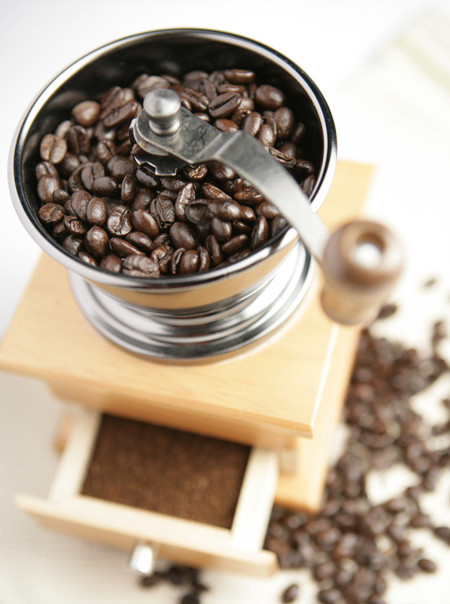
Any pour-over, French press or drip machine works for Blue Mountain. Grind slightly coarse, use 87–88°C water, and aim for a 1:15 brew ratio.
Rare Coffee Varieties More Valuable Than Blue Mountain
Explore ultra-rare coffee beans like Napoleon from St. Helena and Geisha from Panama, prized for scarcity and unique profiles.
Jamaica’s Blue Mountain Coffee: What Makes It So Special?
Learn where true Jamaican Blue Mountain coffee is grown, why it’s so expensive, and how to identify authentic beans from this rare origin.

The Story Behind Jamaica’s Conastale Estate Blue Mountain Coffee
Learn how the historic Conastale Estate became a revived Blue Mountain coffee brand, now produced under Japanese ownership and exclusive distribution.

Mavis Bank Central Factory: Jamaica’s Blue Mountain Coffee Hub
Learn how Mavis Bank Central Factory processes Jamaica’s famed Blue Mountain coffee, from farm altitudes to annual export volumes.
Moho Blue Mountain Estate in Jamaica’s Coffee Highlands
Explore the Moho Blue Mountain estate in Jamaica, where rare trees and high-altitude terroir produce limited lots of certified Blue Mountain coffee.
What Makes Jamaican Blue Mountain Coffee So Special?
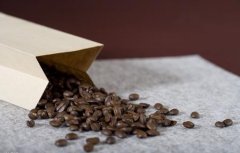
Explore why Jamaica Blue Mountain coffee commands premium prices, from its strict altitude rules to its balanced flavor profile.
Jamaica Blue Mountain No.1: The Story of Conastale Estate
Learn how Jamaica Blue Mountain No.1 coffee from Conastale Estate is grown, processed, and exported — and why it’s among the rarest and most balanced coffees in the world.
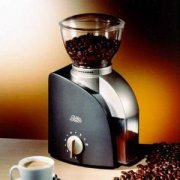
Jamaica Coffee Regions and Blue Mountain Flavor Profile
Learn where Jamaica’s famed Blue Mountain coffee grows, how it’s graded, and why it’s among the world’s most expensive and balanced coffees.
Why Is Jamaica Blue Mountain Coffee So Expensive?
Learn why Jamaica Blue Mountain coffee commands premium prices, from its limited production to Japan’s market dominance.
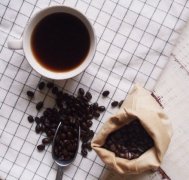
What Is Jamaica Blue Mountain Coffee?
Learn what makes Jamaica Blue Mountain coffee rare, expensive, and uniquely balanced—with facts on origin, grades, and official certification.
Why Is Jamaican Blue Mountain Coffee So Expensive?
High demand, limited supply, and strict certification make genuine Jamaican Blue Mountain coffee rare and costly.
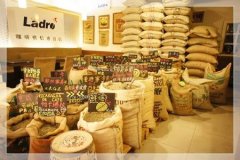
Why Jamaica Blue Mountain Coffee Struggled Before Fame
From colonial origins to near-collapse, here’s how Jamaica’s legendary Blue Mountain coffee overcame decades of hardship to become a global icon.

What Jamaica Blue Mountain Coffee Tastes Like
Discover the unique flavor profile and recent challenges of Jamaica Blue Mountain coffee, including pest damage and scarcity.

What Makes Jamaican Blue Mountain Coffee So Special?
Not all 'Blue Mountain' beans taste like true Jamaican Blue Mountain Coffee. Only beans grown at 3,000–5,000 feet and processed properly deliver the signature balance.
The Real Jamaica Blue Mountain Coffee Explained
Learn what makes true Jamaica Blue Mountain coffee rare, how its standards work, and why 'Blue Mountain-style' blends aren’t the real thing.
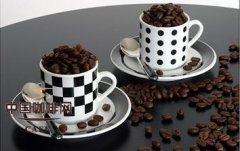
What Makes Jamaican Blue Mountain Coffee So Special?
Learn why Jamaican Blue Mountain Coffee is so rare, expensive, and sought after — from strict quality rules to unique wooden barrel exports.
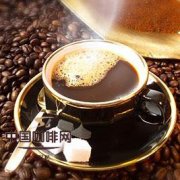
What Does Jamaica Blue Mountain Coffee Taste Like?
Learn why Jamaica Blue Mountain is called the king of balanced coffees. Discover its flavor profile, rarity, and how to brew it properly.
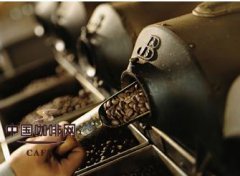
What Makes Jamaican Blue Mountain Coffee So Special?
Only coffee grown at 3,000–5,000 feet in Jamaica’s official Blue Mountain region and processed under strict regulations can be called true Blue Mountain Coffee.
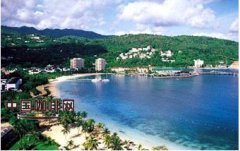
What Makes Jamaican Blue Mountain Coffee So Special?
Learn why Jamaican Blue Mountain coffee is rare, expensive, and uniquely balanced—with details on its strict production, climate, and export limits.