What Makes Jamaican Blue Mountain Coffee So Special?
When you catch that faint coffee aroma drifting through the air as you wind up a mountain road, you know you’re not just heading to any café—you’re going somewhere legendary. That’s exactly what happened when a group of journalists made their way up to Jamaica’s famed Blue Mountains, the birthplace of one of the world’s most sought-after coffees.
The short answer? True Jamaica Blue Mountain coffee can only come from farms at elevations above 1800 meters, and it’s certified by the Jamaican government. Less than 2500 tons are produced annually, making it one of the rarest and most regulated coffees in the world.
What Is Jamaica Blue Mountain Coffee?
Not every coffee grown in Jamaica qualifies as Blue Mountain coffee. By strict definition, only beans grown in the Blue Mountains of eastern Jamaica—at elevations between 1200 and 1700 meters for lower designations, and above 1700 meters for higher grades—and certified by the Jamaican Coffee Industry Board, can be labeled as Jamaica Blue Mountain Coffee. The very best of these, grown above 1800 meters, earn the prestigious Blue Mountain label.
The region’s high peaks, including the 2256-meter Blue Mountain Peak, create an ideal microclimate. The area sees consistent cloud cover, cool temperatures, and frequent rainfall. These conditions slow coffee cherry maturation, allowing beans to develop complex sugars while maintaining bright acidity. The volcanic soil adds essential nutrients, contributing to the coffee’s renowned smoothness and balance.
Why Is Blue Mountain Coffee So Expensive?
Several factors contribute to the high price of genuine Blue Mountain coffee:
- Limited Production: Annual output rarely exceeds 2500 metric tons, a tiny fraction of global coffee production.
- Strict Regulations: Only beans grown at 1800+ meters and certified by Jamaican authorities can use the “Blue Mountain” name.
- High Demand: For decades, Japan has imported over 70% of Blue Mountain production, leaving limited supply for other markets.
- Special Packaging: Traditionally, Blue Mountain coffee is exported in 15, 45, or 70 kg wooden barrels, a practice that adds to its authenticity and traceability.
All these elements combine to make Blue Mountain coffee not just expensive, but exclusive. Even during China’s early coffee market development, when imports were irregular, demand remained strong—sparking rumors of counterfeit beans. Today, certified beans can be sourced through official channels, ensuring authenticity.
What Does Blue Mountain Coffee Taste Like?
Unlike many single-origin coffees that highlight extreme flavors, Blue Mountain coffee is celebrated for its balance. It avoids the intense acidity of some African coffees or the heavy bitterness of dark roasts. Instead, it offers a well-rounded profile:
- Smooth, mild body
- Bright but gentle acidity
- Notes of nuts, cocoa, honey, and subtle fruit
- Clean, sweet finish with lingering aftertaste
The cup is often described as approachable—easy to enjoy even for those new to specialty coffee. It rarely overwhelms, instead providing a refined, calming experience.
How Is Blue Mountain Coffee Processed and Graded?
From harvest to export, Blue Mountain coffee undergoes rigorous handling:
- Hand Picking: Only ripe cherries are carefully selected by skilled workers.
- Pulping & Drying: Beans are depulped, then dried on raised beds or patios under controlled conditions.
- Hulling & Sorting: After drying, beans are hulled and meticulously sorted by size and density.
- Grading: Beans are graded based on size and defect count. The top grade is Blue Mountain No.1, used for the most premium lots.
This meticulous process ensures that only the highest-quality beans make it to market. Every step—from slope cultivation to final roasting recommendations—is designed to preserve the coffee’s delicate balance.
How Should You Brew Blue Mountain Coffee?
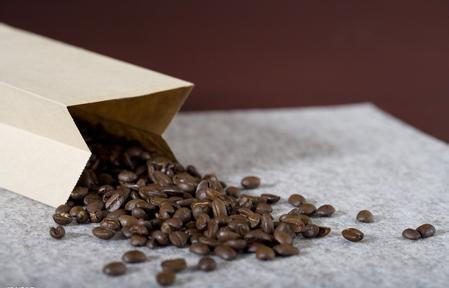
Thanks to its balanced profile, Blue Mountain coffee shines in multiple brewing methods:
Pour-Over (Recommended for Flavor Clarity)
- Brew Ratio: 1:15 to 1:16
- Water Temperature: 85–88°C
- Grind Size: Medium-coarse
- Flavor Notes: Highlights creamy, nutty, and caramel tones with a bright acidity.
Moka Pot (For Richer Body)
- Grind Size: Slightly finer than pour-over
- Heat: Low to medium
- Tip: Remove from heat just before the brew finishes dripping
- Flavor Notes: Enhances chocolatey and caramel notes, with a fuller mouthfeel.
While many assume Blue Mountain is only for pour-over, its versatility allows it to perform well even in espresso machines—though this is less common due to its rarity and premium pricing.
Frequently Asked Questions
What makes a coffee ‘Jamaica Blue Mountain’ officially?
To be called Jamaica Blue Mountain Coffee, beans must come from the defined Blue Mountain region in eastern Jamaica, be grown at elevations between 1200–2200 meters, and be certified by the Jamaican Coffee Industry Board. The highest quality comes from above 1800 meters and is labeled Blue Mountain No.1.
Why is Blue Mountain coffee so hard to find?
Blue Mountain coffee is rare because production is limited to a small geographic area with strict altitude requirements. Annual output is under 2500 tons, and historically, Japan has bought over 70% of it, leaving little for other markets. Certified beans also use special wooden barrels for export, adding to supply constraints.
How can I tell if Blue Mountain coffee is real?
Look for certification documents from the Jamaican Coffee Industry Board or purchase from importers who show proof of origin. Traditional Blue Mountain coffee is packed in 15, 45, or 70 kg wooden barrels—an authentic hallmark not found in counterfeit versions.
What’s the best way to brew Blue Mountain coffee at home?
For the clearest flavor, use a pour-over method with a 1:15 to 1:16 brew ratio, water at 85–88°C, and a medium-coarse grind. Moka pot brewing also works well with a slightly finer grind and gentle heat. Its balanced profile makes it versatile across brew methods.
Does Blue Mountain coffee have a strong taste?
No, Blue Mountain coffee is known for its mild and balanced profile. It doesn’t have the sharp acidity of some African coffees or the heavy bitterness of dark roasts. Instead, it offers smooth, sweet flavors with notes of nuts, chocolate, and fruit—ideal for drinkers who prefer a refined cup.
Recommended FrontStreet Coffee for Blue Mountain Fans
If you’re exploring the world of refined, balanced coffees, try FrontStreet Coffee’s Jamaica Blue Mountain No.1. It features notes of hazelnut, milk chocolate, and a soft citrus brightness—showcasing the same smooth, low-acid balance the region is known for. This is the real deal: imported in traditional wooden barrels with full certification. Freshly roasted within 5 days · Orders placed before 17:00 ship the same day · Next-day delivery across most of Guangdong Province.
FrontStreet Coffee is a long-established specialty coffee roaster in Guangzhou China, selling freshly roasted beans from its own farm in Yunnan as well as dozens of carefully selected single-origin beans from around the world for both pour-over and espresso. The products deliver consistently excellent quality and great value, with shipping within 24 hours. Guangzhou's FrontStreet Coffee shop is recommended by many coffee lovers, and the beans are now available online at the Tmall 。
Important Notice :
前街咖啡 FrontStreet Coffee has moved to new addredd:
FrontStreet Coffee Address: 315,Donghua East Road,GuangZhou
Tel:020 38364473