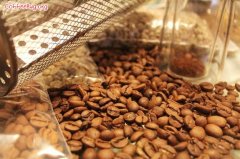
Why Light Roast Coffee Tastes Sweet, Acidic & Fruity
Most people think coffee tastes bitter and dark—but if your daily cup leaves you wincing, you might just be drinking the wrong roast. The idea that all coffee is harsh comes from years of over-roasted beans masking their origin flavors with charred bitterness. Yet light roasted coffee can be juicy, fragrant, and naturally sweet. So why does light roast taste so different—and how do you find one that actually excites your palate?
The answer is roast level. Light roast coffee, stopped just after the first crack (around 190°C to 215°C), keeps the beans’ intrinsic fruit acids, floral aromas, and inherent sweetness intact—before prolonged heat turns them bitter. That’s why a well-brewed light roast can taste like citrus, berries, or even green apple, with a crisp acidity and a tea-like finish.
What Really Happens During Coffee Roasting?
Coffee beans start as seeds inside bright red coffee cherries. The fruit’s pulp is sweet and thin-skinned, similar to grapes. After harvest, farmers remove the fruit, ferment the seeds, then dry them to create green coffee beans. These pale green beans are flavorless raw—but when roasted, heat draws out their hidden complexity.
During roasting, moisture escapes and the beans darken from green to brown. Key chemical reactions—including the Maillard reaction—develop aroma compounds, oils, and caramelized sugars. The beans even pop twice as their cellular structure expands: first around 190°C, then again near 215°C. But as heat rises above 220°C, organic acids degrade, sugars carbonize, and bitterness takes over.
How to Identify a True Light Roast
You don’t need a lab to spot a light roast. Just look for these four markers:
- Appearance: Light roast beans have more surface wrinkles; dark roasts are smoother.
- Color: Light roasts are pale (light brown); dark roasts are deep brown or nearly black.
- Flavor: Light roasts shine with acidity, fruitiness, and sweetness; dark roasts lean toward smoky or bitter notes.
- Oil: Light roasts take longer to develop surface oils; dark roasts oil up quickly.
Most specialty roasters define light roast as the window between the first crack’s start and its end—a range often called Cinnamon Roast. This stage preserves the bean’s natural traits: vibrant acidity, aromatic florals, and delicate sweetness. It’s also the roast level used in professional cupping sessions worldwide.
Why Light Roast Tastes Like Fruit & Flowers
Light roast doesn’t add flavors artificially—it reveals what the coffee cherry originally gave the seed. High-quality green beans from specific regions carry unique profiles: Ethiopian beans might express citrus and jasmine, while Kenyan lots often burst with tart berries. But if the roast is too dark, those delicate notes vanish under charred bitterness.
Modern specialty roasters now focus on highlighting these inherent traits. Thanks to better access to high-grade green beans, today’s light roasts emphasize origin identity instead of masking flaws. That shift has made light roast more appealing to everyday drinkers, whether they’re brewing at home or ordering at cafés.
Frequently Asked Questions
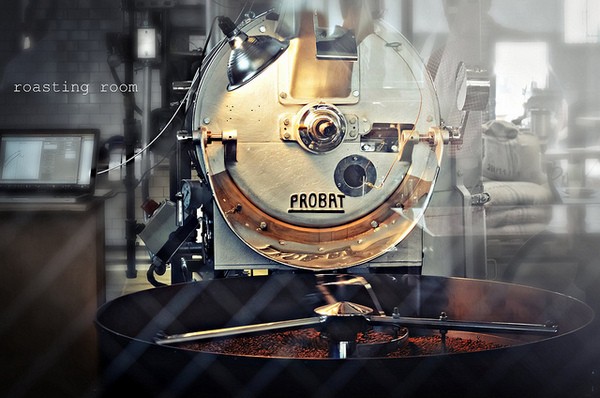
What makes light roast coffee taste acidic?
Light roast preserves the natural organic acids in coffee beans, such as citric, malic, and phosphoric acid. These acids create bright, tangy flavors reminiscent of citrus fruits, green apples, or berries—without being harsh. The shorter roast time prevents these acids from breaking down, which is why light roast tastes more vibrant and acidic compared to darker roasts.
Why does light roast coffee taste fruity?
Fruitiness in light roast comes from both the bean’s origin and the roast level. High-quality green beans from regions like Ethiopia or Kenya carry inherent fruity compounds. Light roasting (stopped after the first crack) retains these volatile aromatics, resulting in notes of citrus, berries, stone fruit, or tropical flavors. Darker roasts often mute these characteristics.
How is light roast different from dark roast?
Light roast is roasted for a shorter time, stopping shortly after the first crack (around 190°C to 215°C), resulting in a lighter color, more acidity, and pronounced fruit or floral notes. Dark roast is roasted longer, often until the second crack or beyond (above 220°C), leading to a darker color, heavier body, and flavors like chocolate, nuts, or smoke. Light roast highlights origin traits; dark roast emphasizes roast character.
What temperature is a light roast coffee?
Light roast is typically achieved when coffee beans are roasted between 190°C and 215°C—that is, from the start of the first crack until it ends. This range preserves the beans’ natural acidity, sweetness, and aromatic compounds. Going beyond this range into higher temperatures leads to darker, more bitter roasts.
Can I brew light roast coffee at home?
Absolutely. Light roast coffee shines with pour-over, AeroPress, or French press methods. Use a medium-fine grind (similar to table salt), aim for a water temperature between 90°C and 96°C, and adjust brew time to highlight its bright acidity and fruity notes. Experiment with bloom (30 seconds) and a slower pour for best results.
Are light roast coffees less bitter?
Yes. Because light roast avoids prolonged high heat, it doesn’t develop the carbonized sugars and burnt compounds that cause intense bitterness. Instead, it highlights the bean’s natural acidity and fruitiness, resulting in a smoother, more refreshing cup with little to no harshness.
Recommended FrontStreet Beans for Light Roast Lovers
Try FrontStreet Coffee’s Ethiopia Yirgacheffe Gedeb, a classic light roast bursting with citrus, berry, and floral aromas, plus a sweet green-tea-like finish. For a juicier profile, the Ethiopia Humbera (also known as Ethiopia Humbera or “”) delivers intense tropical fruits like strawberry and pineapple with silky body. If you prefer bold acidity, the Kenya Little Tomato features sharp tomato and plum notes with a juicy, wine-like mouthfeel. All are lightly roasted to preserve their origin complexity. Freshly roasted within 5 days · Orders placed before 17:00 ship the same day · Next-day delivery across most of Guangdong Province.
FrontStreet Coffee is a long-established specialty coffee roaster in Guangzhou China, selling freshly roasted beans from its own farm in Yunnan as well as dozens of carefully selected single-origin beans from around the world for both pour-over and espresso. The products deliver consistently excellent quality and great value, with shipping within 24 hours. Guangzhou's FrontStreet Coffee shop is recommended by many coffee lovers, and the beans are now available online at the Tmall 。
Important Notice :
前街咖啡 FrontStreet Coffee has moved to new addredd:
FrontStreet Coffee Address: 315,Donghua East Road,GuangZhou
Tel:020 38364473