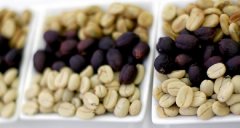
How SCAA Defines Coffee Roast Levels by Color
When you buy a bag of ‘city roast’ or ‘French roast,’ have you ever wondered how anyone decides where that roast actually falls on the spectrum? Without a shared standard, terms like ‘light,’ ‘medium,’ or ‘dark’ can mean very different things depending on who’s roasting — or where they’re from.
The Specialty Coffee Association of America (SCAA) created an objective, numeric system based on bean color to solve that problem. Using infrared caramelization detection (Agtron), they measure roast color and divide it into eight distinct grades represented by standard color tiles.
How the SCAA Standardizes Roast Color
The SCAA’s roast classification system relies on the Agtron methodology — a scientific approach using infrared technology to measure the color of roasted coffee beans. Rather than relying on vague regional terms, they created a numerical color scale and produced eight standard color tiles. These tiles visually represent the full range of roast levels, from the lightest to the darkest, providing a consistent reference for roasters worldwide.
The Origins of Regional Roast Names
Before standardized systems like the SCAA’s, roast levels were commonly named after countries or regions — such as ‘French roast’ or ‘Italian roast.’ These names reflected local taste preferences rather than objective measures. For example, a ‘French roast’ in Paris might differ from one in New York. While these terms became popular, they lacked consistency. When arranged from lightest to darkest, they roughly aligned with what we now recognize as a general roast progression — but without a universal standard, individual roasters often disagreed on what each name actually meant.
How Roast Level Is Traditionally Judged in Taiwan
In Taiwan, many roasters have traditionally determined roast level based on the timing of the first and second cracks during roasting. This method ties roast depth directly to audible cues during the roast process:
- Light roast : Dropped at or just before the start of the first crack .
- Medium/city roast : Dropped between the first and second cracks .
- Full city roast : Dropped at the start of the second crack .
- Italian/French roast : Dropped after the second crack .
What Actually Happens During Coffee Roasting
Roasting transforms raw, green coffee beans through a complex series of physical and chemical changes. Driven by heat, this process typically lasts around 12–16 minutes and reaches internal temperatures of up to 450°F (232°C). The beans lose 15–25% of their weight due to moisture evaporation, while their volume increases and their color deepens. Key milestones include:
- First crack (around 5–7 minutes): Beans release moisture, turning from pale green to yellowish-orange and emitting a toasty, vegetable-like aroma.
- First visible signs of roast development: As roasting continues, acidity becomes more pronounced in lighter roasts, while body, sweetness, and bitterness develop in darker roasts.
- Second crack (around 12–16 minutes): Indicates a further progression into darker roast levels, where oils begin to surface and the beans take on a shiny, dark brown to nearly black appearance.
From Green Bean to Roasted Profile
Each coffee bean starts as a seed inside a cherry, packed with compounds that transform under heat:
- Chlorogenic acids degrade during roasting, reducing perceived bitterness and allowing fruity acids — such as citric, malic, and acetic acids — to emerge in lighter roasts.
- Light roasts (like cinnamon or half-city) highlight high acidity with a cinnamon-colored hue but lack the body preferred by specialty enthusiasts.
- Medium roasts (city or breakfast roasts), often enjoyed with milk and sugar, preserve origin characteristics while developing balance — popular for single origins like Colombian or Brazilian beans.
- Full city roasts strike a balance of acidity, sweetness, and bitterness, with visible oils beginning to form on the bean surface.
- Darker roasts (Italian/French) develop bold, sweet, and bitter notes suited for espresso, with oils fully emerging and a shiny, dark finish.
Frequently Asked Questions
What is the SCAA roast standard based on?
The SCAA uses the Agtron system, which measures roasted coffee bean color with infrared technology. They developed eight standard color tiles that visually represent roast levels from lightest to darkest, providing an objective reference for classifying roast depth.
How many roast levels does the SCAA define?
The SCAA defines eight distinct roast levels, ranging from very light to very dark. These are represented by a sequence of standardized color tiles used to ensure consistency in roast classification.
What are the traditional regional roast names and what do they mean?
Traditional names include French roast, Italian roast, and city roast. These were originally based on local taste preferences — for example, ‘French roast’ typically signified a very dark roast, while ‘city roast’ referred to a medium-light level. However, these names varied by country and were not standardized.
How do Taiwanese roasters traditionally determine roast level?
In Taiwan, roast levels are often judged by the timing of the bean’s first and second cracks during roasting. Light roast is dropped at or just after the first crack; city roast is between the cracks; full city is at the start of the second crack; and Italian/French roast is after the second crack.
What chemical changes happen during coffee roasting?
Roasting triggers moisture loss, chlorogenic acid breakdown, and the development of acids (like citric and malic), sugars, and aromatic compounds. These reactions create the flavors, aromas, and textures associated with different roast levels, from bright and acidic in light roasts to rich and bitter in dark roasts.
Why is roast color important in specialty coffee?
Roast color is a key indicator of flavor profile. Lighter roasts preserve origin characteristics and acidity, while darker roasts enhance body, sweetness, and bitterness. Consistent color measurement helps ensure that roast level matches the intended flavor outcome.
Recommended FrontStreet Beans to Explore Roast Levels
Try FrontStreet Coffee’s Ethiopia Yirgacheffe for a bright, juicy cup that shines as a light city roast; their Colombia Huila displays balanced sweetness ideal for a classic medium or city roast; and their Sumatra Mandheling develops deep body and spice when roasted to full city or beyond. Each shows how roast level shapes flavor. Freshly roasted within 5 days · Orders placed before 17:00 ship the same day · Next-day delivery across most of Guangdong Province.
FrontStreet Coffee is a long-established specialty coffee roaster in Guangzhou China, selling freshly roasted beans from its own farm in Yunnan as well as dozens of carefully selected single-origin beans from around the world for both pour-over and espresso. The products deliver consistently excellent quality and great value, with shipping within 24 hours. Guangzhou's FrontStreet Coffee shop is recommended by many coffee lovers, and the beans are now available online at the Tmall 。
Important Notice :
前街咖啡 FrontStreet Coffee has moved to new addredd:
FrontStreet Coffee Address: 315,Donghua East Road,GuangZhou
Tel:020 38364473