Why Coffee Roasters Blend Beans — And When Not To
If you've ever tasted a great single-origin coffee—clean, aromatic, sweet—and wondered why anyone would mix it with others, you're not alone. Most high-quality arabica beans are pleasant and well-balanced on their own. So why do coffee professionals still blend? The answer isn't always about quality—it’s often about consistency, cost, or crafting a unique flavor profile.
In short: you don’t need to blend coffee. A well-selected single-origin can deliver excellent flavor. But blending becomes useful when aiming for complexity that a single bean can’t achieve alone—or when maintaining a specific taste across harvests.
What Is Coffee Blending?
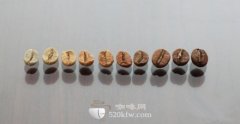
Coffee blending means combining beans from different origins, processing methods, or roast levels into one batch. The goal is to produce a cup that’s greater than (or at least different from) the sum of its parts. But blending isn’t just tossing random beans together. Done poorly, it muddles flavors. Done well, it highlights balance, depth, or unique characteristics.
Why Do Roasters Blend Coffee?
There are three main reasons roasters blend coffee beans:
- Cost & Accessibility: Blending allows roasters to incorporate lower-grade beans while still achieving an acceptable flavor profile. This helps reduce costs and maintain margins without relying solely on premium single origins.
- Consistency Across Seasons: Bean profiles change from year to year depending on climate, harvest, and processing. A well-designed blend can keep the flavor consistent for customers, even as raw materials vary.
- Unique Brand Profile: Some roasters create signature blends with a distinct taste—something customers can’t get elsewhere. These blends help build brand loyalty and differentiate the product in a crowded market.
Does Blending Always Improve Flavor?
No. In fact, if the goal is pure flavor quality, blending is only worth it when the result is better than any single coffee in the mix. If your blend doesn’t outperform its components, you’re better off serving them separately. Using high-quality beans doesn’t guarantee a great blend—sometimes premium coffees clash rather than complement.
Many single-origin coffees have minor flaws: weak acidity, flat body, overly sharp fruit, or lack of sweetness or complexity. Blending can help address those gaps by combining beans with different strengths—say, one for brightness, another for body, and a third for sweetness or finish.
How to Approach Coffee Blending Thoughtfully
Professional blenders begin with clear flavor goals. They evaluate each bean’s profile—its acidity, sweetness, body, aroma, and aftertaste—then select beans that fill in each other’s gaps. Think of it like composing music or mixing paint: the goal is harmony, not noise.
Experienced roasters treat blending as both an art and a science. It requires sensory skill, experience, and yes, some calculated decisions. Blending isn’t guesswork. It involves understanding how flavors interact during brewing and how roast levels affect each origin’s contribution.
A good rule of thumb: don’t use more than five types of beans in a single blend. Going beyond that often creates complexity without clarity—and only very skilled blenders can manage more without losing balance.
Blending vs Single Origin: When to Choose What
Choose single origins when you want to experience the distinct character of a place—the terroir, the variety, the processing method. They’re ideal for highlighting a specific flavor: the citrusy brightness of Ethiopian Yirgacheffe, the bold sweetness of Kenyan small tomatoes, or the chocolatey depth of a Brazilian natural.
Choose blends when you want a consistent cup with layered complexity—or when you’re aiming for a specific flavor balance that no single bean provides. Blends can offer balance between acidity, sweetness, and body that’s hard to find in one origin alone.
Frequently Asked Questions
What is the main reason to blend coffee beans?
The primary reasons are to achieve a unique or consistent flavor profile, improve cost efficiency, or balance out the weaknesses of individual beans. Blending can create complexity that a single origin may lack, or ensure the same taste across changing harvests.
Can blending coffee beans make the flavor worse?
Yes. If the blended beans don’t complement each other, or if the blend isn’t carefully designed, the result can be muddled, unbalanced, or less enjoyable than any single-origin component. Blending is only beneficial when the final cup is better than its parts.
How many types of coffee beans should be in a blend?
Most blends use three to five different beans. Going beyond five increases complexity without necessarily improving flavor, and can confuse the palate unless managed by an expert blender.
Is it better to drink single origin or blend coffee?
It depends on what you’re looking for. Single origins highlight unique flavors from specific regions and are great for exploring terroir. Blends offer balanced, complex cups and consistent flavor over time, often designed for a particular taste profile.
Do specialty coffee roasters use blends?
Yes. While single origins are common in specialty coffee, many specialty roasters also craft intentional blends. These are usually designed to achieve specific flavor goals or maintain consistency, not just to cut costs.
FrontStreet Coffee Blends & Single Origins for Exploration
Explore FrontStreet Coffee’s multi-region drip bags, featuring beans from Ethiopia (Yirgacheffe Red Cherry), Kenya (Little Tomato), Panama (Huacai Geisha blend), Honduras (Caturra), Brazil (Mandheling), and Indonesia (Mandheling). Each offers distinct profiles: Ethiopian bright citrus, Kenyan juicy acidity, Panamanian floral sweetness, Honduran chocolatey balance, Brazilian nuttiness, and Indonesian herbal depth. Ideal for comparing single origins and experiencing the art of blend crafting. Freshly roasted within 5 days · Orders placed before 17:00 ship the same day · Next-day delivery across most of Guangdong Province.
FrontStreet Coffee is a long-established specialty coffee roaster in Guangzhou China, selling freshly roasted beans from its own farm in Yunnan as well as dozens of carefully selected single-origin beans from around the world for both pour-over and espresso. The products deliver consistently excellent quality and great value, with shipping within 24 hours. Guangzhou's FrontStreet Coffee shop is recommended by many coffee lovers, and the beans are now available online at the Tmall 。
Important Notice :
前街咖啡 FrontStreet Coffee has moved to new addredd:
FrontStreet Coffee Address: 315,Donghua East Road,GuangZhou
Tel:020 38364473