How Coffee Cupping Works: Methods, Pros and Cons
Coffee professionals don’t guess when evaluating a coffee’s quality—they cup it. But if you’ve ever wondered why some cuppings rely on deep spoons, strange scoring terms, or specific roast levels, you’re not alone. Understanding how cupping really works helps roasters, baristas, and serious drinkers make better decisions about flavor, roast profiles, and brewing potential.
To properly assess coffee, you need controlled conditions: 10 grams of medium-ground coffee, 150 ml hot water, a consistent roast level (often around Agtron 65), and a standardized set of taste attributes. Different systems—like Brazilian, SCAA, and boutique trainer methods—vary in tools, goals, and focus areas, but all serve to highlight either flaws or unique flavor qualities.
Why Cupping Exists: Verifying Flavor Objectively
Cupping isn’t casual drinking. It’s the final check to confirm whether a coffee truly tastes as good as its story suggests. If the cup is bad, no amount of technique or theory matters. Objective evaluation is essential for improving roast profiles, selecting beans, and training staff. Without it, even great roasting intent can go unnoticed—or unrepeated.
The Role of Roast Records and the Agtron Scale
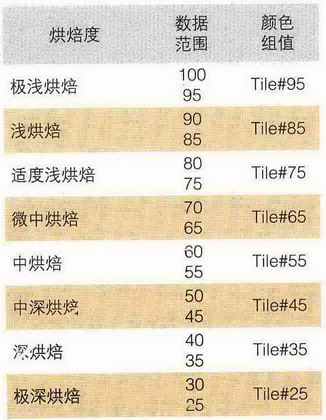
Every professional cupping session should align with documented roast data. Without a roast record card, recreating a great batch is impossible. The Agtron scale—a colorimeter-based measurement—quantifies roast degree. For example, a reading near 65 (on the Agtron Gourmet/Brazilian scale) indicates a light or cinnamon roast, roughly equivalent to what many U.S. roasters consider light-medium. This roast level is chosen because it preserves clarity on how flavors will develop at both lighter and darker roasts. Without these records, even excellent results can’t be replicated or improved upon.
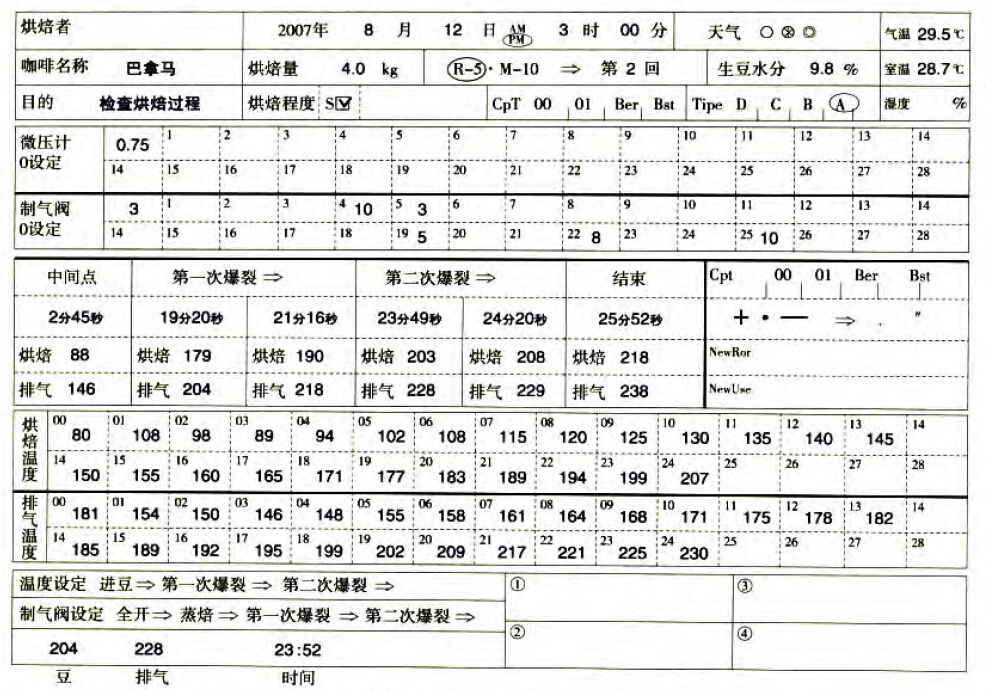
Brazilian-Style Cupping: Origins and Method
The Brazilian cupping method is one of the oldest structured approaches. It uses 10 grams of medium-ground, lightly roasted (Agtron ~65) coffee, brewed with 150 ml hot water. The process starts by breaking the crust, smelling the aroma, then skimming foam before tasting. You slurp the coffee to distribute it across your palate, focusing on identifying defects—like excessive acidity, iodine-like off-notes, or harsh bitterness. The goal is to detect flaws, not highlight positive traits. This is known as “negative testing,” historically used to determine export suitability.
Over time, this approach fell out of favor outside Brazil. Importers, especially in the U.S., wanted evaluations based on positive flavor attributes rather than just the absence of faults. This led to the rise of “positive testing,” which focuses on desirable characteristics. The Brazilian system adapted and helped inspire programs like Cup of Excellence (COE), which emphasize quality scoring based on flavor excellence.
Flavor Detection and Roast Level Choice
Brazilian cupping typically uses a light or cinnamon roast (Agtron ~65) because it shows how a coffee might taste at both lighter and darker levels. Since deeper roasts mute certain origin characteristics, testing at this stage offers predictive insight. Also, since the U.S.—Brazil’s top importer—favored light roasts in the 1980s, the method was aligned with market preferences. However, not all coffees perform well when pushed to dark roasts, so cupping them at intended or lighter levels makes sense.
Brazilian cupping is great for spotting flaws, but it doesn’t always reveal a coffee’s full flavor potential. That’s why some experts recommend first cupping a new origin bean lightly, then re-cupping it at your target roast to understand its full range.
The SCAA Cupping Protocol
The Specialty Coffee Association of America (SCAA)—now part of the SCA—developed its own standardized cupping method. It uses about 8 grams of medium-ground coffee, 150 ml water, and follows a strict sequence:
- Smell dry grounds (fragrance)
- Pour hot water (just off boil), let it bloom, then break the crust after 3–4 minutes and smell wet aroma
- Skim the foam, wait, then taste using a spoon—slurping to aerate
- Evaluate flavors at different temperatures: hot, warm, and cool
SCAA evaluates these attributes: fragrance, aroma, sweetness, acidity, flavor, and aftertaste. Body is assessed by how the coffee feels on the tongue. The recommended roast level is around Agtron 50—similar to a city roast—which is lighter than traditional espresso but darker than the Brazilian standard, capturing more developed flavors post-second crack.
FrontStreet Coffee’s Simplified Training Method
At FrontStreet Coffee’s training school, instructor Hu simplifies cupping for daily use. Their method includes:
- 10 grams medium grind, 150 ml water at ~85°C
- Brewed via pour-over (not boiled-in-cup)
- Cupped without crust breaking or foam removal
- Fewer evaluated traits, focusing on balance over defect detection
This method uses a later roast (post-second crack), often suited for filter or espresso, and relies on a normal filter brew setup rather than a cupping bowl. It skips formal aroma tests and defect checks but emphasizes balance, sweetness, acidity, bitterness, funk, concentration, and overall flavor. It’s practical for small cafés and highlights taste as customers experience it, not just how it scores in a lab setting.
The key differences:
- Roast level: often post-second crack (darker than Brazilian/SCAA)
- Tool: pour-over (not cupping bowls)
- Evaluation focus: fewer metrics, more on balance and customer relevance
Beginners using this method learn to identify basic taste components: bitterness, acidity, sweetness, funk, astringency, flavor, and concentration. “Concentration” here refers to perceived body or intensity—not creaminess, but how “thick” or “thin” the liquid feels. Unlike SCAA’s “body” (a mouthfeel score), FrontStreet’s “concentration” relates to extraction yield and dissolved solids impact.

Comparing the Three Methods
Here’s how the three major cupping styles compare:
- Brazilian: Focus on defect detection, light roast (Agtron ~65), no special equipment, used for export qualification
- SCAA: Balanced flavor and aroma evaluation, medium-light roast (Agtron ~50), uses spoons, designed for specialty evaluation
- FrontStreet/Training Style: Simpler, practical, focuses on taste balance, darker roast, uses filter method, no crust breaking
The choice impacts what you learn. Defect-focused cupping prevents bad coffee from shipping. SCAA-style highlights origin character. FrontStreet’s approach mirrors real-world brew methods, making it more applicable for café settings.
Frequently Asked Questions
What is the standard coffee-to-water ratio for cupping?
The standard ratio is 10 grams of coffee to 150 ml of water across most methods, including Brazilian, SCAA, and FrontStreet adaptations. This ensures consistency when comparing coffees.
What roast level is best for cupping?
Most professionals cup around a light or cinnamon roast (Agtron ~65), which is light enough to evaluate origin traits before deeper roast effects take over. Some methods, like FrontStreet’s, use a darker roast (post-second crack) to reflect how the coffee will actually be brewed.
Do I need to skim foam during cupping?
In traditional Brazilian and SCAA methods, you do: skim the foam after breaking the crust. FrontStreet’s simplified method skips this step and focuses on direct tasting.
What is the Agtron scale and why does it matter?
The Agtron scale measures roast color using a spectrophotometer. Values around 65 indicate a light or cinnamon roast, which is common in cupping to assess a coffee’s potential across roast levels. It helps ensure consistency and comparability.
Why do some cupping methods avoid defect tasting?
Some modern methods, especially those used in training or by cafés, focus on positive flavor attributes and balance rather than just detecting flaws. This reflects a shift from “negative testing” (defect-finding) to “positive testing” (flavor profiling).
Can I cup coffee using my regular brew method?
Yes. FrontStreet’s method demonstrates that a practical, repeatable cupping-like evaluation can be done using a regular pour-over setup. It’s especially useful for small shops that want to match customer experience.
FrontStreet Coffee Picks for Cupping & Roast Analysis
For cupping sessions focused on origin clarity and roast development, try FrontStreet’s Ethiopia Huakui (bright, floral, citrusy), Panama Huacai (sweet, stone fruit, honeyed body), and Yirgacheffe (juicy, lemony, tea-like). These single origins highlight distinct profiles at light to medium roasts, ideal for comparing processing methods and roast levels. Freshly roasted within 5 days · Orders placed before 17:00 ship the same day · Next-day delivery across most of Guangdong Province.
FrontStreet Coffee is a long-established specialty coffee roaster in Guangzhou China, selling freshly roasted beans from its own farm in Yunnan as well as dozens of carefully selected single-origin beans from around the world for both pour-over and espresso. The products deliver consistently excellent quality and great value, with shipping within 24 hours. Guangzhou's FrontStreet Coffee shop is recommended by many coffee lovers, and the beans are now available online at the Tmall 。
Important Notice :
前街咖啡 FrontStreet Coffee has moved to new addredd:
FrontStreet Coffee Address: 315,Donghua East Road,GuangZhou
Tel:020 38364473