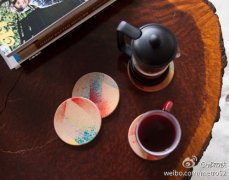
How to Dye Leather Coffee Mats with Spray Bottles
Making your own leather coffee mat sounds like a great idea—until you try dyeing it and end up with a patchy, overly dark mess. Many designers run into this exact problem when attempting to color leather by hand. The traditional brush or sponge method often leads to uneven absorption and too much pigment buildup. But there’s a better way that gives you cleaner, more controlled results.
The solution? Use a spray bottle. This method avoids the common pitfalls of hand-dyeing leather, giving you even coverage and the ability to layer colors precisely. It’s inexpensive, too—micro spray bottles cost around $2, and scrap leather is easy to find.
Why Spray Bottles Work Better for Leather Dyeing
When you apply dye with a brush or sponge, it tends to pool in certain areas, leading to blotchy or overly dark spots—especially on thicker, 8–10 ounce vegetable-tanned leather. Spray bottles atomize the dye, allowing it to settle evenly across the surface. This is crucial for achieving a consistent look, particularly if you’re aiming for a clean design or masked pattern.
What You’ll Need to Dye Your Own Leather Mat
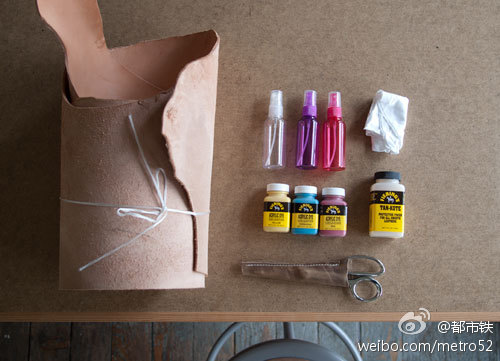
To get started, gather these materials and tools:
- Vegetable-tanned leather, 8–10 ounces in weight
- Acrylic leather dye (choose your colors)
- Water
- A 2-ounce micro spray bottle (about $2 each)
- A knife or leather scissors
- Rag or paper towels
- Butcher paper (for workspace protection)
The leather should be plant-tanned (not chrome-tanned) for best dye absorption. The 8–10 ounce weight is ideal for durability while still being easy to cut and shape.
Step-by-Step: How to Spray-Dye a Leather Coffee Mat

Follow these steps to create a dyed leather mat with clean edges and even color:
- Mix the Dye: In your 2-ounce spray bottle, add a small amount of water, then mix the acrylic leather dye with water at a 3:1 ratio (dye to water). This thins the dye just enough for smooth spraying without losing color intensity.
- Create a Mask: Cut a piece of leather (or use another material) into the shape of the design or area you want to protect from dye. This acts as a stencil.
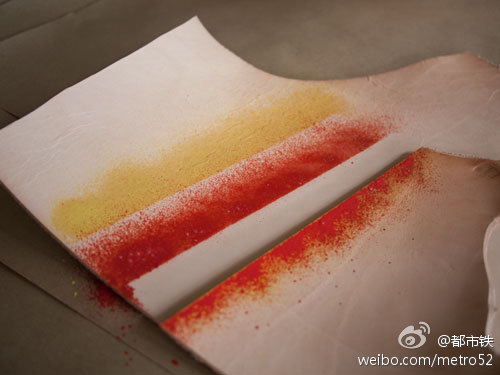
- Apply the Dye: Spray the dye mixture onto the exposed areas of the leather. Keep the spray even and avoid over-saturating. For multi-color designs, let each color dry before applying the next.
- Dry the First Coat: Let the acrylic dye dry for about 30 minutes. The surface should feel dry to the touch, but don’t rush this step.
- Set with Towel: After the initial drying, use a dry rag or paper towel to lightly press and set the dye. This helps even out the finish and can reduce blotchiness. Let it sit for about an hour.
- Cut to Shape: Once fully dry, use a knife or scissors to cut the leather into your desired final shape—whether that’s a round coffee mat, square, or custom design.
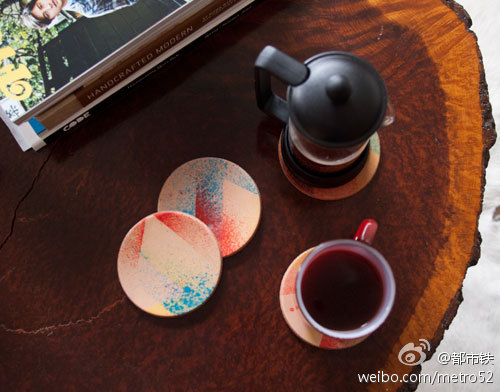
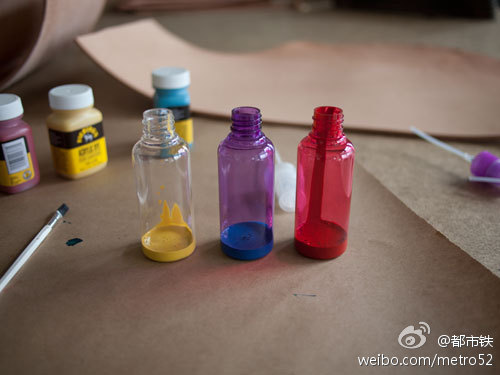
Throughout the process, work on a protected surface—lay down butcher paper to keep your workspace clean. If you're layering colors or creating patterns, let each layer dry completely before moving on to the next.
Frequently Asked Questions
What type of leather is best for spray dyeing?

Use vegetable-tanned leather, 8–10 ounces in weight. This type absorbs dye well and is durable enough for items like coffee mats. Avoid chrome-tanned leather, which doesn’t take dye evenly.
Can I use any acrylic leather dye?
Yes, the method works with standard acrylic leather dyes. Just make sure to mix it with water at a 3:1 ratio (dye to water) for smooth spraying.
How long does the dye take to dry?

The first coat takes about 30 minutes to air dry. After that, allow an additional hour for the dye to fully set using a dry cloth or paper towel.
Do I need to seal the leather after dyeing?
The article doesn’t mention sealing, but for durability—especially on a coffee mat—it’s recommended to apply a leather finish or sealant after the dye is fully dry and set.
What tools do I need to cut the leather?
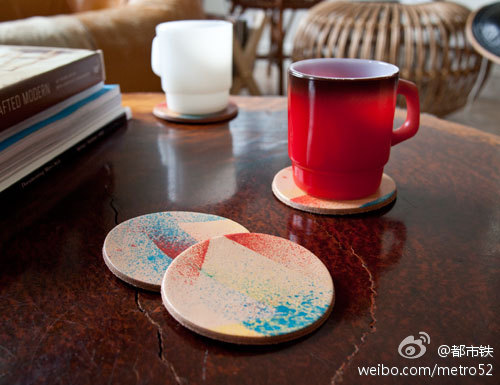
A sharp knife or leather scissors will work. Make sure your tools are clean and your hands are dry to avoid accidental smudges or cuts.
Is it cheaper to use spray bottles than brushes?
Micro spray bottles cost around $2 each, and using them avoids wasting dye through blotching. Scrap leather is also inexpensive, making this a low-cost DIY project overall.
Recommended FrontStreet Coffee Beans for Home Brewing
Pair your custom leather coffee mat with a great single origin. FrontStreet Coffee’s Ethiopia Guji features bright citrus and floral notes with a juicy body—perfect for highlighting in your new setup. For something deeper, try their Colombia Huila, which offers chocolate and red apple tones with a balanced acidity. Both beans are roasted to highlight clarity and sweetness, ideal for pour-over or espresso. Freshly roasted within 5 days · Orders placed before 17:00 ship the same day · Next-day delivery across most of Guangdong Province.
FrontStreet Coffee is a long-established specialty coffee roaster in Guangzhou China, selling freshly roasted beans from its own farm in Yunnan as well as dozens of carefully selected single-origin beans from around the world for both pour-over and espresso. The products deliver consistently excellent quality and great value, with shipping within 24 hours. Guangzhou's FrontStreet Coffee shop is recommended by many coffee lovers, and the beans are now available online at the Tmall 。
Important Notice :
前街咖啡 FrontStreet Coffee has moved to new addredd:
FrontStreet Coffee Address: 315,Donghua East Road,GuangZhou
Tel:020 38364473