What Makes a Barista's Latte Art Truly Stand Out
When you order a latte, you’re not just paying for caffeine—you’re expecting a small work of art floating on your cup. But why do some baristas consistently pour stunning latte art while others struggle to get even a basic heart? The difference isn’t magic. It comes down to technique, milk control, and understanding how every variable affects the final pour. Here’s how the best baristas make it look effortless.
The key to great latte art isn’t just practice—it’s controlling milk texture and pour angle. The ideal milk should have a glossy, microfoam texture with zero large bubbles, steamed to a temperature between 55°C and 65°C. Baristas pour from a height of around 5–10 cm, finishing with a quick wrist flick to shape the design. Most professional latte art is achieved within 8–12 seconds of pouring, starting with a steady center pour and finishing with a sharp pull-through for the leaf or heart shape.
What Is Latte Art Really About?
Latte art refers to the patterns made on the surface of espresso drinks—most commonly hearts, rosettas, and tulips—by manipulating steamed milk over a shot of espresso. But it’s not just visual flair. Good latte art requires the right balance of espresso crema, properly textured microfoam, and precise pouring. At its core, latte art is the visible result of a well-executed espresso and milk combination. Without a good shot—typically a 30 ml double espresso with a rich, stable crema—your art won’t hold, no matter how skilled your pour.
Why Milk Texture Is Everything
The single most important factor in latte art is milk quality. Steam the milk to create microfoam: a velvety, glossy foam with tiny, uniform bubbles. Too many large bubbles, and the design collapses. Too little foam, and there’s nothing to shape. The ideal milk temperature is between 55°C and 65°C (131°F to 149°F), and the texture should be such that the milk flows smoothly from the pitcher like paint. This means steaming to an expansion of roughly 20%–30% in volume. Frothing beyond that introduces too much air and ruins the smooth pour needed for detailed designs.
How Pouring Technique Defines the Art
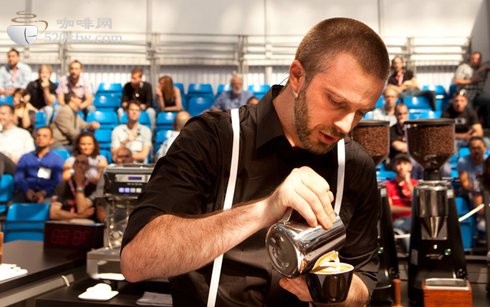
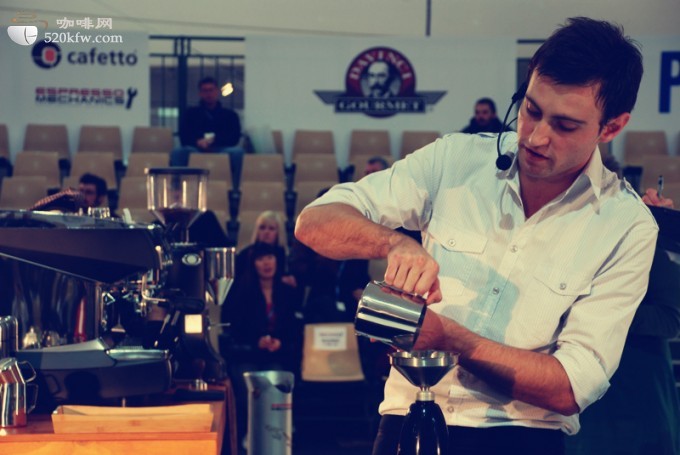
Once your milk is properly textured, the way you pour determines the final design. Start by holding the pitcher 5–10 cm above the cup and pour steadily through the center to integrate milk and espresso. Once the cup is about halfway full, lower the pitcher closer to the surface—about 1–2 cm—and begin moving it side to side to form the base of the design (usually a heart or rosetta). To finish, lift the pitcher slightly and pour through the pattern to create a clean, defined shape. Most patterns are completed in under 12 seconds, requiring a fluid, controlled motion from start to finish. The classic heart shape is the foundation—once mastered, baristas progress to more complex designs like tulips or swans.
Common Mistakes That Ruin Latte Art
- Pouring too high or too low: Too high creates splatter; too low makes it hard to blend milk and espresso.
- Overheated milk: Milk above 65°C becomes thick and loses microfoam texture.
- Large milk bubbles: Airy foam won’t hold shape or allow for clean designs.
- Poor espresso crema: Without a stable, rich crema, the milk won’t sit properly on the surface.
- Inconsistent pouring speed: Speed changes disrupt the flow and ruin symmetry.
Frequently Asked Questions
What’s the ideal milk temperature for latte art?
The ideal milk temperature for latte art is between 55°C and 65°C (131°F to 149°F). Above 65°C, milk proteins break down and the foam becomes too thick to pour cleanly. Below 55°C, the foam lacks structure. Professional baristas aim for around 60°C to balance texture and sweetness.
How do you steam milk to get perfect microfoam?
To create perfect microfoam, position the steam wand just below the milk surface to create a hissing sound that introduces air, then submerge it deeper to create a swirling vortex. Steam to a volume increase of 20%–30%, and aim for a smooth, glossy texture with no large bubbles. The final temperature should be between 55°C and 65°C.
Why does my latte art collapse or not form properly?
Latte art can collapse due to poor microfoam (too many bubbles), incorrect milk temperature (too hot or cold), inconsistent pouring height, or a weak espresso crema. Ensure your milk is smooth and velvety, pour from the right distance, and use a shot with a stable, rich crema.
How long does it take to learn basic latte art?
Most baristas can pour a basic heart shape within 1–2 weeks of consistent practice (5–10 pours per day). More advanced designs like tulips or rosettas may take a month or more, depending on how well milk texture and pouring control are mastered.
Does the espresso shot affect latte art?
Yes. A good latte art foundation requires a properly extracted double espresso (around 30 ml) with a rich, stable crema. Weak or over-extracted shots with thin crema make it nearly impossible to pour clean designs, as the milk won’t sit or blend correctly on the surface.
Best FrontStreet Coffee Beans for Latte Art
For latte art, choose single origins with balanced sweetness and medium body. FrontStreet’s Ethiopia Huakui offers bright citrus and floral notes with a silky mouthfeel, ideal for highlighting art. Their Yirgacheffe brings juicy berry tones and soft acidity, pairing well with microfoam. Both roast to a light-medium level that preserves clarity without sacrificing texture. Freshly roasted within 5 days · Orders placed before 17:00 ship the same day · Next-day delivery across most of Guangdong Province.
FrontStreet Coffee is a long-established specialty coffee roaster in Guangzhou China, selling freshly roasted beans from its own farm in Yunnan as well as dozens of carefully selected single-origin beans from around the world for both pour-over and espresso. The products deliver consistently excellent quality and great value, with shipping within 24 hours. Guangzhou's FrontStreet Coffee shop is recommended by many coffee lovers, and the beans are now available online at the Tmall 。
Important Notice :
前街咖啡 FrontStreet Coffee has moved to new addredd:
FrontStreet Coffee Address: 315,Donghua East Road,GuangZhou
Tel:020 38364473