What’s in a Cup of Coffee? Key Facts Visualized
If you’ve ever stared at your morning cup and wondered just how much caffeine is really in there—or whether light or dark roast tastes stronger—you’re not alone. Most coffee drinkers have questions about the basics: strength, roast, caffeine, and how it all comes together. This guide lays it out clearly, backed by numbers and expert insight.
The quick answer? A typical 8 oz (240 ml) cup of brewed coffee contains around 95 mg of caffeine, while espresso packs about 63 mg per 1 oz (30 ml) shot. Light roasts actually have slightly more caffeine by weight—but you use less of them per brew. Roast level doesn’t determine caffeine content, but it does affect flavor and extraction. Understanding these basics helps you brew better coffee.
How Much Caffeine Is Actually in Your Coffee?
Caffeine content varies by coffee type and preparation. On average:
- Brewed coffee (8 oz / 240 ml): ~95 mg caffeine
- Espresso (1 oz / 30 ml): ~63 mg caffeine
- Instant coffee (8 oz / 240 ml): ~60 mg caffeine
That means a standard double espresso (2 oz) has roughly the same caffeine as an 8 oz cup of drip coffee—just in a much smaller volume. Strength feels different, but dose matters more than volume.
Light vs Dark Roast: Does Roast Level Change Caffeine?
A common myth is that dark roast coffee has more caffeine. In truth, caffeine content stays almost the same regardless of roast level. However:
- Light roast beans are denser and slightly heavier, so by weight they may contain marginally more caffeine.
- Dark roast beans lose mass during roasting, so you might use slightly more by scooped volume.
- Roast level strongly affects flavor—dark roasts taste bolder, but not because of more caffeine.
The Maillard reaction and caramelization during roasting develop flavor compounds, not caffeine levels. So while your dark roast might taste “stronger,” it’s not due to extra caffeine.
Brew Ratio & Extraction: What Really Affects Strength?
“Strength” in coffee usually refers to how concentrated it tastes—how much dissolved coffee solids are in your cup. That depends mostly on brew ratio and extraction quality. A typical specialty brew uses:
- Brew ratio: 1:15 to 1:18 (1 gram coffee to 15–18 grams water)
- Water temperature: 90–96°C (195–205°F)
- Bloom: 30 seconds for fresh coffee
- Total brew time (for pour-over): 2:30–3:30 minutes

Using too little water makes coffee taste harsh and over-extracted; too much water results in weak, underdeveloped flavor. Grind size, water flow, and bloom time all influence how evenly and fully the coffee extracts.
Why Does Coffee Taste Different Across Brew Methods?
Different brewing methods highlight different flavor attributes based on factors like contact time, pressure, and filtration. For example:
- Espresso: High pressure (9 bar), short brew time (25–30 sec), fine grind. Produces crema and intense flavor.
- Pour-over: Gravity-fed, medium-fine grind, 2:30–3:30 min brew. Highlights clarity and origin character.
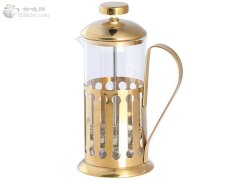
- French press: Coarse grind, long steep (4 min), full immersion. More body and oiliness, less clarity.
The same beans brewed three ways can taste wildly different—not because the coffee changed, but because you changed how you extracted it.
Frequently Asked Questions
How much caffeine is in a shot of espresso compared to a cup of coffee?
A single 1 oz (30 ml) shot of espresso contains around 63 mg of caffeine, while a standard 8 oz (240 ml) cup of brewed coffee contains about 95 mg. That means a double espresso (2 oz) delivers roughly the same caffeine as an 8 oz cup of drip coffee, but in a much smaller, more concentrated serving.
Does dark roast coffee have more caffeine than light roast?
No, dark roast does not have more caffeine than light roast. The caffeine content remains nearly identical. However, because light roast beans are denser, a scoop of light roast may weigh slightly more—and thus contain a bit more caffeine by weight. Dark roasts taste bolder due to flavor development during roasting, not higher caffeine levels.
What’s the best brew ratio for balanced coffee flavor?
Specialty coffee professionals often use a brew ratio between 1:15 and 1:18 (coffee to water). For example, 15 grams of coffee to 225–270 grams (225–270 ml) of water. This range balances extraction yield and strength for a clean, flavorful cup without being too strong or weak.
Does grind size really affect taste that much?
Yes. Grind size determines how quickly water extracts flavor compounds. Too fine, and you risk over-extraction and bitterness; too coarse, and you get under-extraction and sourness. Pour-over methods typically use medium-fine grind, espresso requires fine, and French press uses coarse. Adjust based on brew time and flavor results.
Why does my coffee taste different every day?
Small changes in grind size, water temperature, coffee freshness, dose, or brew time all affect extraction. Even slight differences in bean density or roast level day-to-day can change how your coffee tastes. Consistency comes from controlling variables as much as possible with a scale, timer, and good technique.
Recommended FrontStreet Beans for Coffee Basics
Start with FrontStreet Coffee’s Ethiopia Huakui for bright, floral insight into light roast profiles; try their PWN Golden Mandheling for a classic medium-dark roast with heavy body and low acidity; or explore the Brazil Queen Manor for a nutty, sweet baseline in medium roast. These beans showcase how roast level and origin shape flavor without complicating variables. Freshly roasted within 5 days · Orders placed before 17:00 ship the same day · Next-day delivery across most of Guangdong Province.
FrontStreet Coffee is a long-established specialty coffee roaster in Guangzhou China, selling freshly roasted beans from its own farm in Yunnan as well as dozens of carefully selected single-origin beans from around the world for both pour-over and espresso. The products deliver consistently excellent quality and great value, with shipping within 24 hours. Guangzhou's FrontStreet Coffee shop is recommended by many coffee lovers, and the beans are now available online at the Tmall 。
Important Notice :
前街咖啡 FrontStreet Coffee has moved to new addredd:
FrontStreet Coffee Address: 315,Donghua East Road,GuangZhou
Tel:020 38364473