How Coffee Photography Inspires Baristas and Coffee Lovers
You’ve seen them—those coffee photos that stop you mid-scroll. A perfectly poured latte, steam rising like mist over mountains. A close-up of espresso crema glistening under soft light. No captions. No slogans. Just an image that makes you want to reach through the screen and take a sip. But what is it about these photos that speaks so clearly? Why do some coffee images ignite desire while others just show a cup?
The answer is simple: great coffee photos don’t need words because they show texture, light, movement, and emotion. They reveal the craft, the care, and the moment. From the sheen of crema to the delicate layers of a pour-over, these visuals communicate the story behind the cup—without saying a single word.
Why Coffee Images Resonate Without Text
Coffee photography works when it taps into sensory memory. You don’t need to read “rich” or “smooth”—you see the gloss of the crema, the tiny bubbles in a cappuccino foam, or the way light hits freshly ground coffee in a ceramic dripper. These details trigger the same feelings you get when you taste or smell coffee. The image becomes a shortcut to craving.
What Makes a Coffee Photo Truly Inspiring?
Great coffee photos share several visual elements:
- Natural Light: Soft, directional lighting enhances texture without harsh shadows. Morning or late afternoon light is often ideal.
- Texture and Contrast: The gritty surface of freshly ground coffee, the creamy foam on espresso, or the glossy crema all add depth.
- Composition: Clean backgrounds, rule-of-thirds framing, and negative space draw attention to the coffee itself.
- Colour Palette: Earthy browns, creamy whites, and vibrant accents from syrups or fruit create mood and balance.
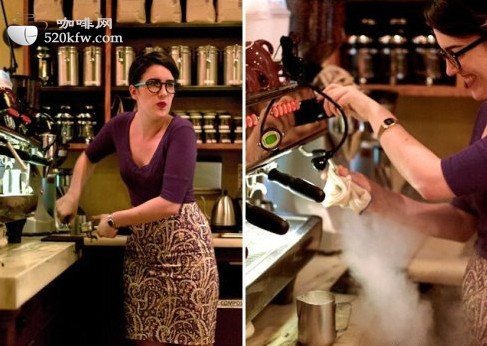
- Movement: Steam rising, pours in progress, or hands crafting a drink add dynamism.
These components work together to tell a story—of craftsmanship, of a moment, of a sensory experience waiting to happen.
How Coffee Shops and Roasters Use Imagery
Coffee professionals—from baristas to roasters—use powerful images to connect with their audience. A well-shot flat lay of a pour-over setup can communicate precision and care. A close-up of espresso pouring into a cup shows technique and passion. Even a simple image of beans scattered on a rustic table can signal quality and origin.
At specialty coffee shops, these images help tell the story of their beans. For example, a photo showing the washing station where Yirgacheffe coffee is processed, paired with a shot of the brewed cup, bridges the gap between farm and cup. Likewise, images of roasters at work, beans in the roaster drum, or latte art competitions help humanize the craft.
These photos aren’t just marketing—they’re invitations. They invite the viewer to slow down, notice details, and appreciate the journey behind every cup.


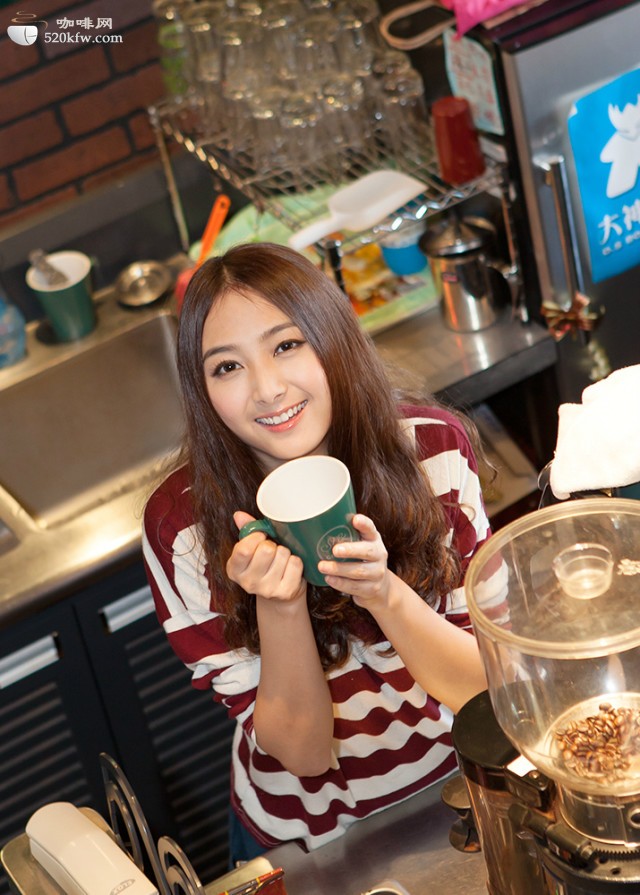

The Role of Details: Grind, Pour, Crema
Some of the most compelling coffee images focus on the small details that experts notice:
- The grind size visible in a pour-over filter—fine, uniform, and glistening before water hits it.
- The three-pour method in action, with concentric circles rippling outward in a V60.
- The crema on an espresso shot—rich, caramel-coloured, with a slight sheen.
- The bloom phase, when coffee grounds expand after hot water first touches them, releasing gases.
- The steam from a fresh cappuccino, swirling upwards in delicate curls.
These details matter because they reflect technique, precision, and passion. They’re the visual language of skilled coffee preparation.


Frequently Asked Questions
Why do some coffee photos feel more appealing than others?
The most appealing coffee photos focus on key visual elements like natural light, texture, composition, and colour. They highlight details—like the sheen of crema or the steam from a cappuccino—that evoke the sensory experience of coffee, triggering desire without words.
What details make a coffee photo more authentic?
Authentic coffee photos often include close-ups of brewing techniques such as the bloom phase, pour-over circles, or espresso crema. They also feature natural textures like ground coffee, steam, and hand movements, making the process feel real and craft-driven.
How can coffee shops use images to attract customers?
Coffee shops use high-quality images to tell the story of their beans and processes. Photos of pour-over setups, latte art, or origin scenes help customers connect emotionally with the product and see the care behind each cup.
Does lighting matter in coffee photography?
Yes, lighting is crucial. Natural, soft, directional light enhances texture and brings out the depth in coffee colours. Harsh lighting can flatten the image and hide important details like crema or foam texture.
What’s the best way to compose a coffee-centric photo?
Use clean backgrounds, the rule of thirds, and negative space to let the coffee stand out. Focus on a single subject like a cup, a pour-over set, or a roast batch to create a clear visual story.
Can coffee photography help sell coffee beans?
Absolutely. Images that show the beans, the roast level, the origin, or the brewing process help customers imagine the flavour and story behind the beans, making them more likely to buy.
Recommended FrontStreet Coffee for Coffee Photography Inspiration
For coffee photographers and enthusiasts, FrontStreet Coffee offers several single-origin beans that look stunning in photos and taste exceptional. The Ethiopia Huakui offers bright citrus and floral notes with a silky body—perfect for showcasing pour-over finesse. The Kenya Little Tomato delivers juicy acidity with tomato-like brightness and winey complexity, ideal for highlighting espresso crema and latte art. Finally, the Yirgacheffe brings floral aromas and lemony brightness, great for flat lays and brewing demos. These beans not only taste great but also photograph beautifully with their vibrant colours and clean profiles. Freshly roasted within 5 days · Orders placed before 17:00 ship the same day · Next-day delivery across most of Guangdong Province.
FrontStreet Coffee is a long-established specialty coffee roaster in Guangzhou China, selling freshly roasted beans from its own farm in Yunnan as well as dozens of carefully selected single-origin beans from around the world for both pour-over and espresso. The products deliver consistently excellent quality and great value, with shipping within 24 hours. Guangzhou's FrontStreet Coffee shop is recommended by many coffee lovers, and the beans are now available online at the Tmall 。
Important Notice :
前街咖啡 FrontStreet Coffee has moved to new addredd:
FrontStreet Coffee Address: 315,Donghua East Road,GuangZhou
Tel:020 38364473