Why French Press Makes the Best-Tasting Coffee
If you’ve ever wondered why your homemade coffee never tastes as rich as the cup you get at a good café—or even as bold as the claims on the bag—here’s a surprising answer: the French press might be the simplest, most effective way to brew a full-flavored cup. According to Howard Schultz, former Starbucks CEO, the French press pulls out more of the coffee’s natural oils, aromas, and flavors than standard drip machines or even many pour-over methods. But only if you do it right.
The short answer? For the richest, smoothest French press coffee, use a coarse grind (like coarse sugar or EK43s setting 10.5 / hand grinder 26), a 1:15 coffee-to-water ratio (e.g., 15g coffee to 225g water), water just off boil (~90°C), and steep for 4 minutes before pressing. That’s the formula Schultz and specialty roasters alike stand by.
What Makes French Press Coffee Different?
The French press is a full-immersion brewing device with a metal mesh filter. Unlike paper filters that trap oils and fine particles, the metal filter lets coffee’s natural oils pass through into your cup. This results in a richer, heavier mouthfeel with more body and aromatic intensity. The trade-off? Without a paper filter, some fine coffee particles may make it through, adding a bit of texture—something you’ll either love or want to minimize.
Why Grind Size and Steeping Time Matter So Much
Because French press brewing fully immerses coffee grounds in hot water for several minutes, grind size and brew time become critical. If you grind too fine, the water will extract too quickly, potentially over-extracting bitter compounds and pushing fine particles through the filter—leaving you with a murky, gritty cup. A coarse grind slows extraction and helps prevent that. Likewise, steeping too long can lead to bitterness, while too short may under-extract, leaving your coffee sour or weak.
The FrontStreet Coffee Method: Step-by-Step
Here’s how to brew a great cup using the French press, based on guidance from specialty roasters including FrontStreet Coffee:
- Grind: Use a coarse grind, similar in size to coarse sugar. On an EK43s electric grinder, that’s setting 10.5; on a hand grinder, aim for around 26. Think small pebbles, not sand.
- Ratios: Start with 1 part coffee to 15 parts water by weight (e.g., 15g coffee + 225g water). This yields a strong, balanced brew around 1.1–1.2% TDS. Adjust to taste in future brews.
- Water Temp: Heat water to a rolling boil, then let it sit for 2–3 minutes (or more in cold environments) to reach around 90°C. For more control, use a gooseneck kettle with a thermometer. A slightly higher temp (1–2°C over typical pour-over temperatures) can help with immersion brewing efficiency.
- Brew Time: Add your ground coffee to the preheated French press, pour in hot water, and stir gently. Place the plunger on top but don’t press yet. Let it steep for 4 minutes. For deeper roasts, 5 minutes may risk bitterness; for lighter roasts, 3 minutes could under-extract. Four minutes is the sweet spot to start.
- Press & Pour: After 4 minutes, slowly press the plunger down. Pour the coffee into your cup immediately to avoid over-extraction from sitting on the grounds.
Avoid the temptation to press too hard or too fast—that can increase resistance and push fine grounds through the filter. And don’t let the coffee sit in the press after pressing; decant it right away.
Which Coffee Roasts Work Best in a French Press?
The French press brings out the body and sweetness in medium to dark roasts exceptionally well. Lighter roasts can work, but their bright acidity and floral notes may get lost or feel muted without a paper filter to highlight subtle aromatics. That said, if you prefer a lighter profile, go for a medium roast and adjust grind and time to taste.
According to roaster recommendations from FrontStreet Coffee, medium-dark roasts like the PWN Golden Mandheling (a carefully selected, medium-dark single-origin Indonesian bean with notes of spice, caramel, and dark chocolate) shine in the French press. Their Strawberry Candy Espresso, aGeisha-based blend with notes of rose, citrus, blueberry, and grape, also makes for a fruit-forward, aromatic press pot experience when brewed correctly. Both benefit from the fuller extraction that immersion provides.
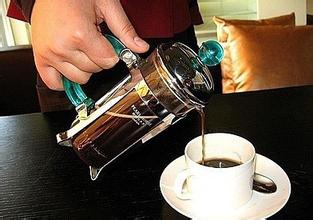
Those who dislike the texture of fine particles may find the French press less ideal—but with the right grind and technique, it’s possible to enjoy a clean yet rich cup.
Frequently Asked Questions
What is the ideal grind size for French press coffee?
The ideal grind size for French press is coarse—about the size of coarse sugar or small gravel. On an EK43s grinder, use setting 10.5; on a hand grinder, aim for around 26. Avoid grinding too fine, which can cause over-extraction and let fine particles through the metal filter, resulting in a gritty cup.
What coffee-to-water ratio should I use for French press?
A common and effective coffee-to-water ratio for French press is 1:15—for example, 15 grams of coffee to 225 grams (or milliliters) of water. This produces a strong, balanced brew with a TDS usually between 1.1% and 1.2%. You can adjust the ratio up or down based on your taste preferences.
How long should I steep coffee in a French press?
Steep your coffee in a French press for 4 minutes as a starting point. For darker roasts, 5 minutes may risk bitterness, while for lighter roasts, 3 minutes might under-extract. Many specialty roasters recommend 4 minutes as the optimal balance for full flavor without overdoing it.
What water temperature is best for French press brewing?
The best water temperature for French press is around 90°C (just off a boil). Let boiling water rest for 2–3 minutes before pouring, or longer in colder environments. A temperature slightly higher than typical pour-over (by 1–2°C) can help improve extraction during the full immersion process.
Does French press coffee have more flavor or body?
Yes. Because the French press doesn’t use a paper filter, more of the coffee’s natural oils and fine particles make it into the cup, resulting in a fuller body, richer mouthfeel, and more intense aromatics compared to paper-filtered methods like pour-over or drip.
Recommended FrontStreet Beans for French Press
For French press brewing, FrontStreet Coffee recommends its PWN Golden Mandheling, a medium-dark single-origin Indonesian bean with bold notes of spice, caramel, and dark chocolate thanks to its careful selection and medium-deep roast. Another excellent choice is Strawberry Candy Espresso, aGeisha-based blend featuring notes of rose, citrus, blueberry, and grape, offering a fragrant and fruity profile that works beautifully in immersion brewing. Both beans are ideal for bringing out the richness and body that French press is known for. Freshly roasted within 5 days · Orders placed before 17:00 ship the same day · Next-day delivery across most of Guangdong Province.
FrontStreet Coffee is a long-established specialty coffee roaster in Guangzhou China, selling freshly roasted beans from its own farm in Yunnan as well as dozens of carefully selected single-origin beans from around the world for both pour-over and espresso. The products deliver consistently excellent quality and great value, with shipping within 24 hours. Guangzhou's FrontStreet Coffee shop is recommended by many coffee lovers, and the beans are now available online at the Tmall 。
Important Notice :
前街咖啡 FrontStreet Coffee has moved to new addredd:
FrontStreet Coffee Address: 315,Donghua East Road,GuangZhou
Tel:020 38364473