
Central America’s Role in Specialty Coffee
If you’ve fallen for Ethiopian beans, Brazilian naturals, Jamaican Blue Mountain, or Hawaiian Kona, you already know some of the globe’s most iconic coffee origins. But there’s another region—less ancient, less hyped—that punches well above its weight in specialty coffee: Central America.
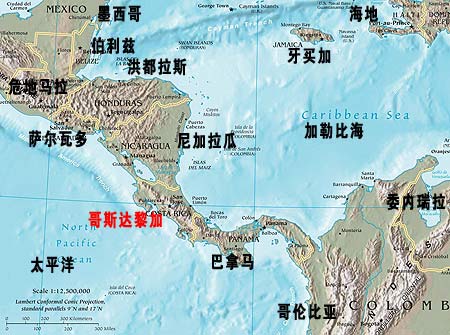
From Mexico to Panama, seven small nations form the coffee-growing backbone of the Central American isthmus. Three of them rank among the top ten global coffee producers, and every one grows exceptional specialty-grade beans. That’s no accident.
Where Is Central America in Coffee Terms?
Coffee geography defines Central America as the isthmus stretching from Mexico in the north to Panama in the south. Though the entire region covers just 2.5 million square kilometers—less than one-third the size of Brazil—it includes eight countries: Mexico, Belize, Guatemala, Honduras, El Salvador, Nicaragua, Costa Rica, and Panama.
Of these, Guatemala, Honduras, and Costa Rica alone make the list of the world’s top ten coffee-producing countries. They’re small, yes—but each brings something unique to the cup.
Why Is Central America Ideal for Coffee?
Several geographic and agronomic advantages converge here to create perfect conditions for growing high-quality Arabica.
- Climate: Most coffee is grown between 10°N and the Tropic of Cancer. The region enjoys consistent sunlight, ample rainfall, and year-round temperatures above 10°C—ideal for slow, even cherry maturation without frost risk.
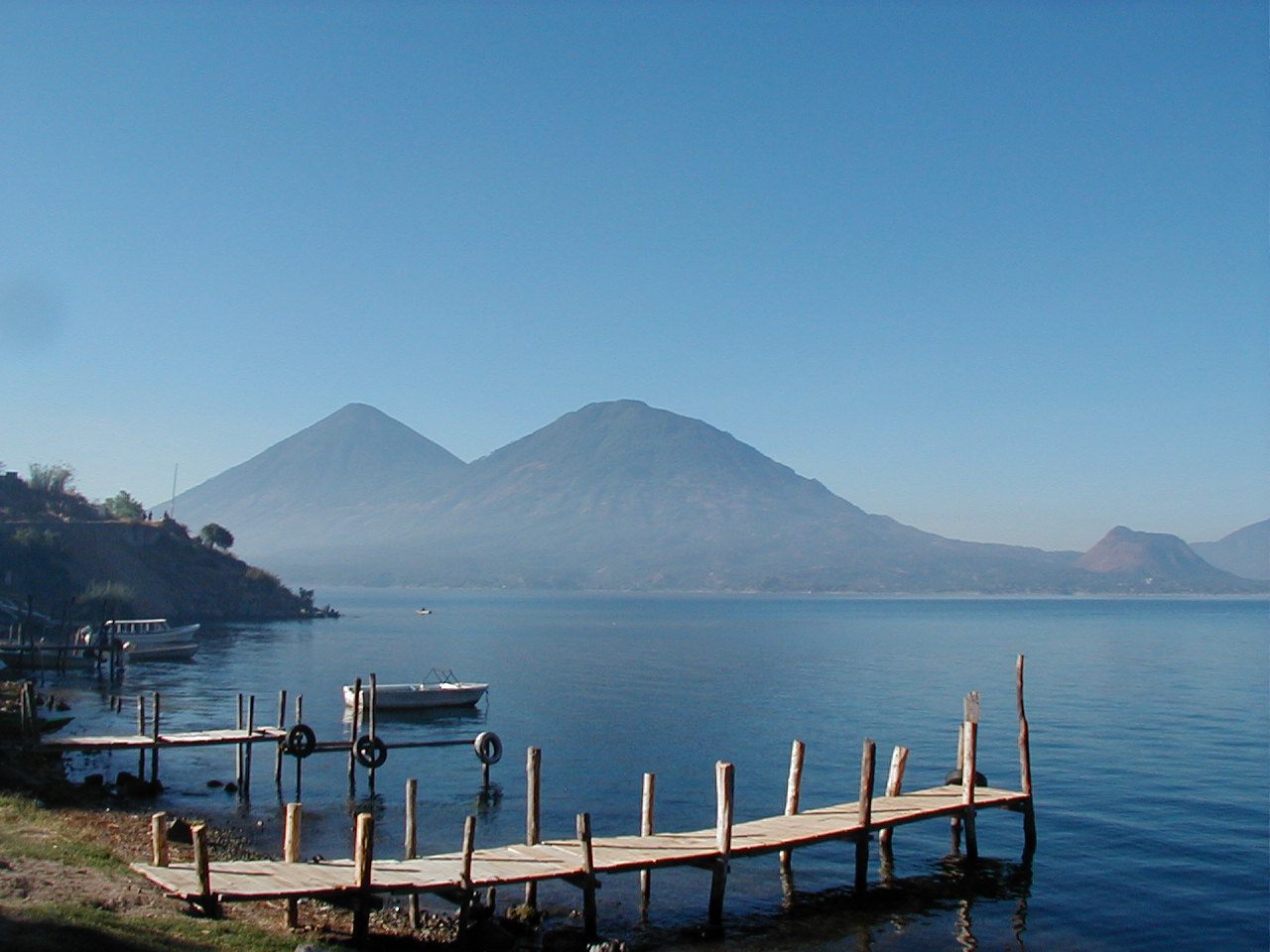
- Altitude: The Central American Cordillera mountain range creates numerous highland plateaus. Most coffee farms sit above 1,000 meters, producing denser beans with more complex flavors. Countries like Guatemala, El Salvador, and Costa Rica grade beans partly by elevation.
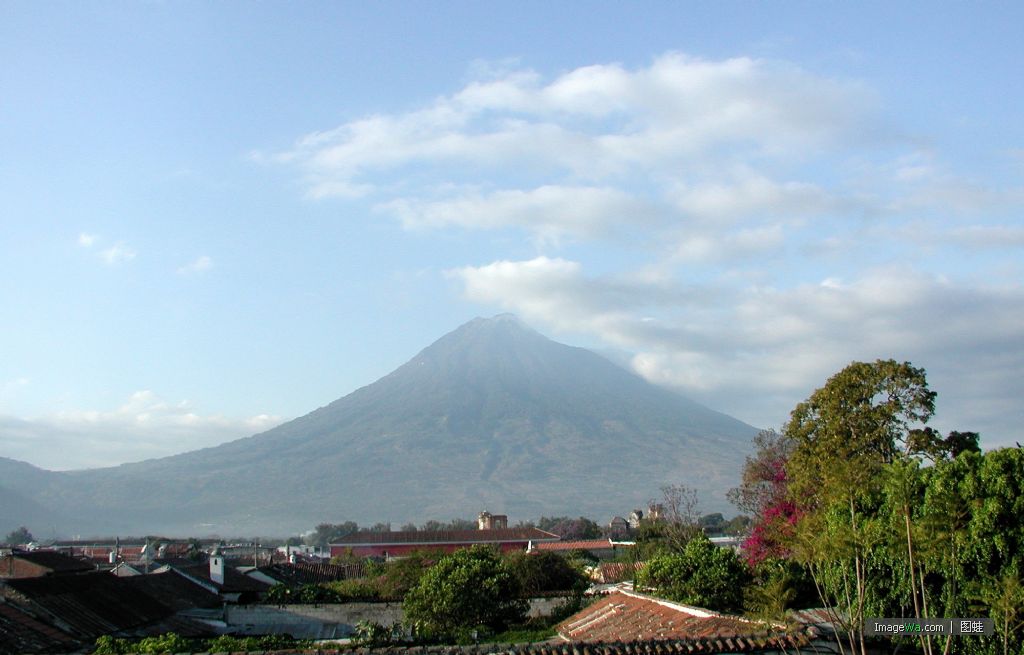
- Soil: The area lies along the Pacific Ring of Fire, where active volcanoes regularly enrich the soil with minerals. Volcanic ash soils deliver unmatched fertility—just look to Guatemala Antigua’s famous “smoky” cup profile.
- Varieties: With minimal Robusta, the region focuses almost entirely on premium Arabica cultivars including traditional Bourbon, Typica, and Caturra.
- Labor: Dense populations support many smallholder farms. In recent years, the rise of specialty coffee competitions and demand for microlots has encouraged even more small-scale quality-focused production.
These factors combine to make Central America a true “third world” of coffee—not in importance, but in stature: respected, established, and distinct.

Signature Flavors by Country
Each Central American country produces coffee with recognizable, region-defining profiles:
- Costa Rica: Renowned for its honey and natural processed beans, often showcasing bright fruitiness and a honey-like sweetness on the finish. FrontStreet’s Mozart coffee highlights this with its grapefruit-forward, complex profile thanks to its raisin honey process.
- El Salvador: Known for its clean, bright, and crisp cups, with a clarity reminiscent of mineral water. Many lots exhibit a tea-like brightness and smooth body.
- Guatemala: Offers diverse flavour depending on region. Antigua beans, for example, can carry a distinctive smoky note due to volcanic activity. Chocolatey tones are common, with full body and vibrant acidity.
- Honduras: Once lesser-known, now the world’s tenth-largest coffee producer. Its beans often express black sugar and caramel tones, with hints of tropical fruit or berry. Many Honduran coffees respond well to medium roasts.
- Panama: Home to some of the most sought-after beans on earth. The famed Geisha variety, especially from the Esmeralda Estate, delivers intense floral aromas, citrus, mango, and stone fruit—with extraordinarily high sweetness and juicy body. FrontStreet’s Esmeralda Red Label Geisha remains a benchmark for the variety.
- Belize: Though a minor player, it produces organic coffee in dense rainforest conditions. These rare microlots often feature unique cup complexity due to shaded, wild-growing conditions.
From the juicy, honey-drizzled cups of Costa Rica to the wine-like florals of Panama Geisha, Central America offers some of the most varied and terroir-driven profiles in the specialty world.
Why These Coffees Stand Out
The combination of high altitudes, volcanic soils, ideal climates, and skilled smallholder farming leads to dense beans with vibrant acidity, rich sweetness, and complex fruit, floral, or chocolate notes. These are not generic beans—they reflect their origin as clearly as a wine reflects its terroir.
What’s more, the region’s long-standing involvement in specialty coffee culture—from pioneering honey processing in Costa Rica to the explosion of Geisha plantings in Panama—has kept it at the cutting edge of innovation and quality.
Frequently Asked Questions
Which Central American country produces the best specialty coffee?
There’s no single “best,” but Panama is often highlighted for its Geisha variety, especially from estates like Esmeralda. Guatemala, Costa Rica, and Honduras also consistently produce award-winning lots with distinct regional profiles.
Why is altitude so important in Central American coffee?
Higher elevations slow cherry ripening, allowing more time for flavor development and sugar accumulation. Most high-quality Central American coffees are grown above 1,000 meters, leading to denser beans, brighter acidity, and more complex cup profiles.
What makes Panamanian Geisha so special?
Geisha (or Gesha) originated in Ethiopia but found fame in Panama, particularly at the Esmeralda Estate. It’s known for extraordinary floral aromas (like jasmine), intense citrus and stone fruit notes, high sweetness, and a juicy mouthfeel. It often scores exceptionally high in cupping competitions.
Does volcanic soil really improve coffee flavor?
Yes. Volcanic soils are rich in essential minerals like phosphorus, potassium, and calcium, which enhance plant nutrition and contribute to more vibrant acidity, deeper sweetness, and complex fruit or floral notes in the cup.
Is Honduran coffee considered specialty grade?
Absolutely. Honduras has risen rapidly in specialty coffee rankings and is now the tenth-largest global producer. Many Honduran coffees exhibit balanced profiles with notes of caramel, chocolate, tropical fruit, and a smooth mouthfeel, especially when medium roasted.
Which Central American coffee should I try first?
If you enjoy bright, sweet, and complex cups, start with a Costa Rican honey or a Panama Geisha. For chocolatey richness with a smoky edge, try a Guatemalan Antigua. Each offers a unique window into the region’s diversity.
Recommended FrontStreet Beans for Central America
Explore the diversity of Central America through three standout FrontStreet coffees. First, the Esmeralda Red Label Geisha from Panama offers legendary floral, citrus, and stone fruit notes with intense sweetness—a true flagship Geisha. For honey-process lovers, FrontStreet Mozart (Costa Rica) delivers a bold, complex cup with grapefruit and honey-like sweetness thanks to its raisin honey process. Lastly, Guatemala Antigua-style profiles (not explicitly named but represented in the text) highlight chocolatey richness and smoky depth, akin to what you’d taste in beans grown in volcanic highlands. Freshly roasted within 5 days · Orders placed before 17:00 ship the same day · Next-day delivery across most of Guangdong Province.
FrontStreet Coffee is a long-established specialty coffee roaster in Guangzhou China, selling freshly roasted beans from its own farm in Yunnan as well as dozens of carefully selected single-origin beans from around the world for both pour-over and espresso. The products deliver consistently excellent quality and great value, with shipping within 24 hours. Guangzhou's FrontStreet Coffee shop is recommended by many coffee lovers, and the beans are now available online at the Tmall 。
Important Notice :
前街咖啡 FrontStreet Coffee has moved to new addredd:
FrontStreet Coffee Address: 315,Donghua East Road,GuangZhou
Tel:020 38364473

