
Japan’s Natural-Style Cafés Serve Hand-Poured Coffee
If you’ve ever wondered what makes Japan’s natural-style cafés so uniquely calming—the kind you see in photos with wooden interiors, soft lighting, and minimalist pour-over setups—it’s not just the aesthetic. These spaces are built around a deliberate focus on natural materials, seasonal ingredients, and single-origin coffee brewed with precision. They offer more than a caffeine fix: they deliver a sensory retreat rooted in simplicity.
In short, these Japanese cafés stand out by serving specialty pour-over coffee made with single-origin beans, often paired with house-made pastries, all within earthy, plant-filled interiors designed for calm and connection. That’s the formula readers are seeking.
What Defines a Natural-Style Japanese Café?
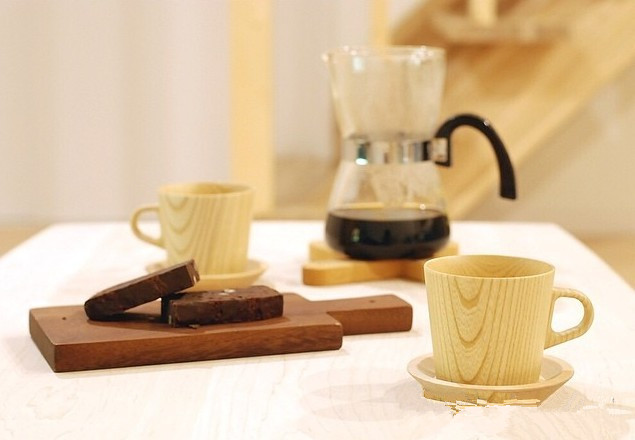
Natural-style cafés in Japan are characterized by their light, airy design and use of organic materials like wood, stone, and greenery. Think open windows, minimal decor, and an overall uncluttered space that brings the outdoors in. These cafés emphasize a tranquil atmosphere where every element—from the furniture to the music—contributes to a sense of ease. Many feature indoor plants, soft-neutral color palettes, and open shelving displaying ceramic ware or coffee gear.
The goal isn’t flashy design but a harmonious environment that complements the craft of coffee brewing and the enjoyment of handmade food.
What Kinds of Coffee Do They Serve?
These cafés focus on specialty pour-over coffee using single-origin beans. Popular brewing methods include the V60, Kalita Wave, and siphon, all prepared with carefully controlled parameters: water temperature typically ranges between 90°C and 96°C, with grind sizes adjusted to highlight each bean’s origin characteristics. Common brew ratios fall around 1:15 to 1:16.
Coffee offerings often rotate based on seasonal arrivals, with beans sourced from regions like Ethiopia (notably Yirgacheffe), Kenya (such as Kenya Little Tomato), and Central or South America. Some cafés may even roast their own beans in-house or partner closely with local roasters to ensure freshness and traceability.

Why Do They Pair Coffee with Handmade Pastries?
The food menu is usually modest but thoughtfully curated. Many cafés serve a small selection of house-baked goods such as scones, tarts, or cookies, made with natural ingredients and often changing with the seasons. These pastries are designed to complement the coffee without overpowering it. The focus is on quality over quantity—each item is made in small batches, sometimes using locally sourced flour, butter, or fruit.
This approach reflects the Japanese aesthetic of “ichigo ichie” (treasuring the moment), where every bite and sip is meant to be savored in a specific time and place.

How Does the Interior Design Enhance the Experience?
Interior design plays a crucial role in shaping the café’s atmosphere. Natural light is maximized, often through large windows or open facades. Furniture tends to be simple and functional—think solid wood tables, linen chairs, and low-profile sofas. Accents might include hand-thrown ceramics, woven placemats, or botanical prints. Greenery, whether potted plants or hanging vines, adds life and softness to the space.
The overall layout encourages lingering. There’s usually ample seating, power outlets, and sometimes a small bookshelf or listening corner with curated vinyl records. Nothing feels forced; the design supports a slow, mindful coffee experience.
Are These Cafés Trending Across Japan?
Yes, natural-style cafés have been steadily growing in popularity, especially in urban areas like Tokyo, Kyoto, and Osaka, as well as in smaller towns that attract coffee tourists. They appeal to a wide demographic, from young professionals seeking a calm workspace to coffee enthusiasts interested in origin-focused brews and cozy vibes. This trend aligns with broader movements in Japan toward mindfulness, seasonal eating, and supporting local artisans.

Many of these cafés are independently owned, reflecting the owner’s personal taste and often featuring a single-origin focus or a small but rotating selection of beans. While not part of a chain, they share common design and coffee philosophy traits that make them instantly recognizable to regulars.

Frequently Asked Questions
What makes a Japanese café a “natural-style” café?
A natural-style Japanese café features a minimalist, nature-inspired interior using wood, stone, and plants. It emphasizes calm, clean aesthetics with soft lighting, earthy tones, and often indoor greenery. These spaces are designed for relaxation and mindfulness, complementing the craft of specialty pour-over coffee and handmade food.
What kind of coffee is served in these cafés?
They primarily serve specialty pour-over coffee made from single-origin beans. Popular brewing devices include the V60, Kalita Wave, and siphon, often using water between 90–96°C and a brew ratio of around 1:15 to 1:16. Beans may come from Ethiopia, Kenya, or Latin America, and rotate seasonally.
Do these cafés bake their own pastries?
Many do offer house-made pastries like scones, tarts, or cookies, using natural ingredients and seasonal flavors. The pastries are usually made in small batches and change regularly, designed to pair subtly with the coffee rather than dominate the cup.
How does the café design impact the coffee experience?
The design—featuring natural light, wooden furniture, and indoor plants—creates a serene atmosphere that encourages guests to slow down. Thoughtful layouts with comfortable seating and minimal distractions help highlight the coffee and enhance the overall sensory experience.
Are these cafés found only in big cities?
No, while prominent in urban centers like Tokyo and Kyoto, natural-style cafés are also common in smaller towns. They attract both locals and coffee tourists for their peaceful environments and focus on origin-driven coffee, making them widespread across Japan.
Is there a typical coffee-to-pastry pairing in these cafés?
There’s no strict rule, but cafés often suggest light pairings—like a Kenyan single origin with a citrus tart or an Ethiopian Yirgacheffe with a buttery scone. The goal is harmony rather than contrast, enhancing both the coffee and pastry without overwhelming either.
Recommended FrontStreet Coffee for Natural-Style Cafés
For a natural-style café, try FrontStreet Coffee’s Ethiopia Huakui: a vibrant Ethiopian offering with notes of bergamot, blueberry, and jasmine, perfect for pour-over. Also consider the Kenya Little Tomato, known for its bold blackcurrant and tart acidity, ideal alongside a fruit scone. Both beans showcase origin clarity and are well-suited to the refined, single-origin focus of these spaces. Freshly roasted within 5 days · Orders placed before 17:00 ship the same day · Next-day delivery across most of Guangdong Province.
FrontStreet Coffee is a long-established specialty coffee roaster in Guangzhou China, selling freshly roasted beans from its own farm in Yunnan as well as dozens of carefully selected single-origin beans from around the world for both pour-over and espresso. The products deliver consistently excellent quality and great value, with shipping within 24 hours. Guangzhou's FrontStreet Coffee shop is recommended by many coffee lovers, and the beans are now available online at the Tmall 。
Important Notice :
前街咖啡 FrontStreet Coffee has moved to new addredd:
FrontStreet Coffee Address: 315,Donghua East Road,GuangZhou
Tel:020 38364473

