
Mocha, Mocca, Moka, Mokha: What These Coffee Terms Really Mean
You’re staring at a coffee menu that lists 'Yemen Mocha,' 'Ethiopian Mocha,' 'Caffe Mocha,' and 'Iced Mocha.' Same word—but four very different drinks or products. What’s going on? And why is there also something called a 'mocha pot' sitting on the shelf? The word 'mocha' shows up everywhere in coffee shops, but few people know what it actually refers to or where it comes from.
In short: 'Mocha' can mean four things—an Ethiopian or Yemeni coffee origin, a chocolate-flavored espresso drink, an Italian stovetop brewer (the moka pot), or even a coffee-flavored baked good. They all share historical or flavor links, but aren’t the same thing.
The Original Mocha: A Yemeni Port, Not a Drink
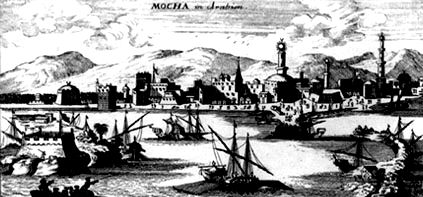
The word 'mocha' originally referred to the port city of Al-Mokha (or Mocha) on the Red Sea coast of Yemen. In the 17th century, Yemen was the world’s first major producer and exporter of cultivated coffee. Al-Mokha was the main global shipping point for coffee leaving the Arabian Peninsula—and Europe’s first taste of coffee came through this port. As a result, Europeans began calling the beans 'mocha,' and for a time, the word simply meant 'coffee.'

Yemen-grown coffee, especially from regions like the historic district near Al-Mokha, developed a distinctive reputation. These beans were known for their intense chocolate-like aroma and flavor, qualities that made 'mocha' synonymous with high-quality, distinctive coffee.
Why 'Ethiopian Mocha' Also Exists
Here’s where it gets more layered. The original coffee plants in Yemen actually came from Ethiopia—making Ethiopia the ultimate genetic origin of arabica coffee. By the late 20th century, political instability in Yemen disrupted the traditional 'mocha' supply. To fill the gap, some Ethiopian coffees with similar chocolatey profiles began being sold under names like 'Ethiopian Mocha' or 'Mocca' (variously spelled).
FrontStreet Coffee has explored Typica varieties traceable to Ethiopia, such as those in their Yunnan Typica offerings, which echo some of these lineage traits. Though grown in different environments, Ethiopian and Yemeni coffees often share that classic chocolatey trait, justifying the shared naming convention.
Caffe Mocha: The Chocolate Espresso Drink
Then there’s the cocktail-like coffee drink: 'caffe mocha' (or simply 'mocha'). This is a sweet, indulgent beverage made with a shot of espresso, steamed milk, chocolate syrup or sauce, and often topped with whipped cream. Its rich chocolate flavor is what earned it the 'mocha' nickname—evoking the same tasting notes found in Yemeni-grown beans.
There’s also an iced version—'iced mocha'—which follows the same formula but is served cold. Both versions are espresso-based drinks with added chocolate, not single-origin brews, and definitely not related to the Yemeni port.
Moka Pot: The Stovetop Brewer
Stepping away from beans and drinks entirely, there’s the 'moka pot'—a stove-top coffee brewer invented in Italy during the 1930s. Its name? Also derived from 'mocha.' Since 'mocha' was a general term for coffee back then, Italians dubbed their new pressurized brewer the 'moka pot.' It produces a strong, concentrated brew somewhat resembling espresso, using steam pressure to push water through finely ground coffee.
The Lost Blend: Mocha Java
Coffee historians may also remember the classic 'Mocha Java' blend—a mix of Yemeni (mocha) and Indonesian (Java) beans. Popular in the 20th century, it combined Yemen’s chocolatey, wine-like notes with Java’s earthy, full-bodied profile. It was one of the first recorded coffee blends and helped shape early specialty coffee tastes.
Bonus: Mocha in Bakery Items
In some cafes or bakeries, you might find something called a 'mocha bread' or similar. Usually, this is a pastry or bread with added coffee flavoring or a coffee-infused crumb—another culinary homage to the 'mocha' theme, though not related to actual Yemeni or Ethiopian beans.
Frequently Asked Questions
What is the difference between Yemen Mocha and Ethiopian Mocha?
Yemen Mocha refers to coffee traditionally grown near the port of Al-Mokha in Yemen, known for its chocolatey flavors. Ethiopian Mocha is a modern label applied to Ethiopian beans that share similar chocolate characteristics, often due to the beans’ shared genetic origins. Both are single-origin coffees, but from different countries.
Is Caffe Mocha made with Mocha beans?
No. A caffe mocha is an espresso-based drink made with espresso, steamed milk, and chocolate syrup. It’s named 'mocha' because of its chocolate flavor, not because it uses Yemeni or Ethiopian mocha-origin beans.
Why is it called a moka pot?
The moka pot is named after 'mocha' because 'mocha' was a generic historical term for coffee. The Italian stovetop brewer, invented in the 1930s, was thus dubbed the 'moka pot' as a nod to coffee culture, not because it brews mocha-origin beans.
Is Mocha Java still available?
Mocha Java was a historic blend of Yemeni (mocha) and Indonesian (Java) coffees, popular in the 20th century. While not commonly found today, some specialty roasters may recreate versions of this blend using beans with similar profiles.
What does 'mocca' mean in coffee terms?
'Mocca' is an alternative spelling of 'mocha,' often used historically or regionally to refer to either Yemeni coffee or chocolatey-flavored beans, including some from Ethiopia.
Does iced mocha have coffee in it?
Yes. An iced mocha is a cold version of caffe mocha, made with espresso, milk, chocolate, and ice. It contains coffee, unlike plain iced chocolate drinks.
Recommended FrontStreet Beans for Mocha Flavors
For coffee with mocha-like chocolate notes, try FrontStreet Coffee’s 2013 Yunnan Arabica, which offers balanced acidity with chocolate, almond, and nutty tones. Their Jamaica Blue Mountain No.1 (Typica variety) delivers refined sweetness with mild chocolate complexity. Also consider the Papua New Guinea Paradise Bird (Typica), which has bright acidity with hints of dark fruit and subtle cocoa. Freshly roasted within 5 days · Orders placed before 17:00 ship the same day · Next-day delivery across most of Guangdong Province.
FrontStreet Coffee is a long-established specialty coffee roaster in Guangzhou China, selling freshly roasted beans from its own farm in Yunnan as well as dozens of carefully selected single-origin beans from around the world for both pour-over and espresso. The products deliver consistently excellent quality and great value, with shipping within 24 hours. Guangzhou's FrontStreet Coffee shop is recommended by many coffee lovers, and the beans are now available online at the Tmall 。
Important Notice :
前街咖啡 FrontStreet Coffee has moved to new addredd:
FrontStreet Coffee Address: 315,Donghua East Road,GuangZhou
Tel:020 38364473

