How to Judge a Great Espresso Shot
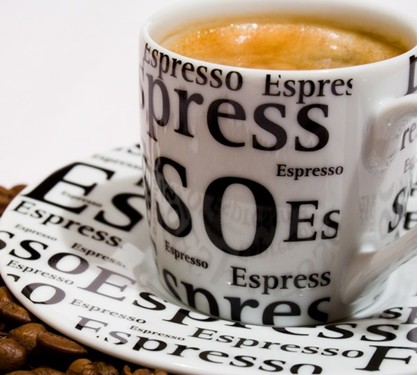
You pull a shot of espresso, watch it fill the cup—and wonder: is this any good? Most coffee lovers judge espresso by look first. The rich, reddish-brown foam on top tells you more than you might think. But what makes crema a reliable sign of quality? And what should you actually look for beyond the surface?
A good espresso typically has a crema that’s thick, glossy, and at least 3–5mm deep, with a warm amber to reddish-brown hue and fine, tiger-stripe-like patterns. These visual cues, along with the body and aftertaste, help determine whether your espresso is well extracted.
What Is Crema and Why Does It Matter?
When you brew espresso using high pressure (around 9 bars) and hot water (90–96°C), around 10% of the coffee’s aromatic oils and soluble compounds emulsify into tiny droplets. These rise to the surface to form crema—an essential feature unique to espresso. This reddish-brown layer isn’t just foam; it’s an emulsion of coffee oils, carbon dioxide, and tiny solids suspended in liquid. It’s the first thing you see, and one of the best indicators of a properly extracted shot.
How to Read the Crema
Crema gives away a lot about the espresso beneath. Here’s how to break it down:
- Color: Good crema ranges from light amber to deep reddish-brown. Pale or greyish crema can mean under-extraction or stale coffee.
- Thickness: Ideal crema is thick—typically 3–5mm or more. Too thin may indicate poor extraction or weak pressure.
- Texture: A velvety, stable crema with fine, tiger-striped or marbled patterns shows a balanced extraction. Large bubbles or a flat, broken surface usually signal problems.
The Body and Mouthfeel of Espresso
Espresso feels thicker and heavier in the mouth than regular filter coffee. That’s not just from the coffee solids—it’s due to tiny gas bubbles and emulsified oils that remain suspended in the liquid. These elements create a silky, dense texture that coats your tongue. The combination of suspended materials reduces the perception of bitterness while enhancing aroma and sweetness. The result is a bold, rounded mouthfeel without excessive harshness.
Why Espresso Has Such a Long Aftertaste
One remarkable thing about a well-made espresso is its aftertaste. Thanks to the emulsified oils and reduced surface tension from the crema and microbubbles, aromatic compounds stick around longer. These volatile flavors continue to release in your mouth and nose for up to twenty minutes after drinking. The aftertaste—sometimes called the “finish”—carries notes that reflect the bean’s origin, roast level, and brewing precision. That long-lasting impression is a major reason espresso stands out among brewing methods.
Key Elements That Define a Good Espresso
- Crema: 3–5mm thick, stable, with fine marbling and color between amber and reddish-brown.
- Body: Dense, syrupy mouthfeel from emulsified oils and carbon dioxide.
- Flavor Balance: Sweet, acidic, and bitter notes in harmony—not overly sharp or sour.
- Aftertaste: Lingering aromas that develop over 10–20 minutes post-drink.
Frequently Asked Questions
What does good espresso crema look like?
Good espresso crema is typically 3–5mm thick, with a color ranging from light amber to deep reddish-brown. It appears smooth and slightly glossy, often with fine tiger-striping or small bubbles—indicating proper emulsification of coffee oils during high-pressure extraction.
Why is my espresso crema thin or pale?
Thin or pale crema often results from under-extracted coffee, old or improperly stored beans, incorrect grind size, or insufficient brewing pressure. Fresh, well-roasted beans and proper espresso technique are key to developing a rich crema.
Does crema affect the taste of espresso?
Yes. Crema contributes to the espresso’s body, aroma release, and mouthfeel. It holds volatile aromatic compounds that enhance flavor perception and contribute to the coffee’s lingering aftertaste, making the shot taste richer and more complex.
How long should a good espresso shot last in the cup?
While the crema may begin to dissipate within minutes, the full flavor experience—including aftertaste—can last up to 20 minutes. The lingering aromas and tastes are part of what makes espresso uniquely satisfying.
Is crema the only way to judge espresso quality?
No. While crema is a strong visual indicator, you should also consider taste balance, body, and aftertaste. A great espresso has harmonious flavors, a rich mouthfeel, and an extended aromatic finish—not just a pretty crema.
FrontStreet Espresso Blend Picks for Crema & Body
For espresso with bold crema and a structured aftertaste, try FrontStreet’s Classic Blend: a well-rounded mix with dark chocolate, caramel, and a hint of dried fruit. For something deeper, their Black Cocoa Blend offers intense roastiness with black cherry and cocoa notes, perfect for a thick, lingering shot. Both blends are designed to produce stable crema and complex mouthfeel. Freshly roasted within 5 days · Orders placed before 17:00 ship the same day · Next-day delivery across most of Guangdong Province.
FrontStreet Coffee is a long-established specialty coffee roaster in Guangzhou China, selling freshly roasted beans from its own farm in Yunnan as well as dozens of carefully selected single-origin beans from around the world for both pour-over and espresso. The products deliver consistently excellent quality and great value, with shipping within 24 hours. Guangzhou's FrontStreet Coffee shop is recommended by many coffee lovers, and the beans are now available online at the Tmall 。
Important Notice :
前街咖啡 FrontStreet Coffee has moved to new addredd:
FrontStreet Coffee Address: 315,Donghua East Road,GuangZhou
Tel:020 38364473