What Makes Panamanian Coffee Beans So Special?
If you’ve ever wondered why Panamanian coffee stands out among single origins—especially in global competitions—you’re not alone. The country’s beans are famed for their unique balance, delicate acidity, and vibrant fruit notes. But what exactly makes Panamanian coffee so special, and where does it come from? Let’s break down the region, the farms, and the flavors that put Panama on the specialty map.
In short: Panama’s best coffee comes from the high-altitude regions near the Baru volcano and the Pacific slopes, especially in Boquete and Volcán districts. The 1994 production of Café Volcán Baru reached 2,000 bags—just 1% of national output—but set an early benchmark for quality. Today, Panama is globally recognized for its Geisha variety, especially those grown above 6,500 feet.
Where Panama’s Best Coffee Grows
The finest Panamanian coffee is cultivated in the northern part of the country, close to Costa Rica and along the Pacific side. Key regions include Boquete in the Chiriquí province, as well as David, Remacimeinto, Bugaba, and Tole. These areas benefit from elevation, volcanic soils, and microclimates that are ideal for growing distinctive coffees.
The Role of Elevation and Microclimates
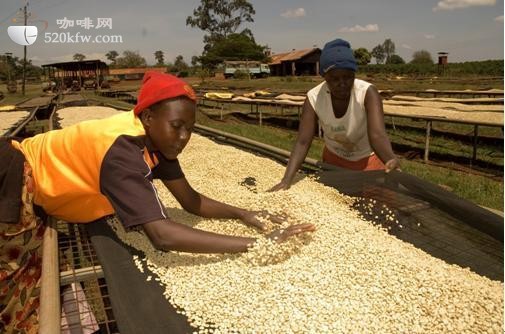
Coffee in Panama thrives at high altitudes, particularly above 6,500 feet. The central mountain range channels cool air into regions like Boquete and Volcán, creating a range of microclimates. These conditions slow cherry maturation, allowing more complex sugars and acids to develop. The volcanic soils in these zones are rich in nutrients, contributing to the distinct aromatics and clean profiles that Panamanian coffees are known for.
The Rise of Geisha and Global Recognition
Panama wasn’t always famous for coffee. However, with the rise of third-wave coffee and lighter roasting styles, the country’s Geisha variety gained international fame. Originally from Ethiopia’s Gedeo Zone (historically called Gesha), Geisha found its true expression in Panama’s high-altitude farms. Its bright acidity, floral and citrus notes, and juicy mouthfeel helped the variety win numerous cupping championships. Today, it is one of the most sought-after single-origin coffees worldwide.
Farms Leading the Quality Movement
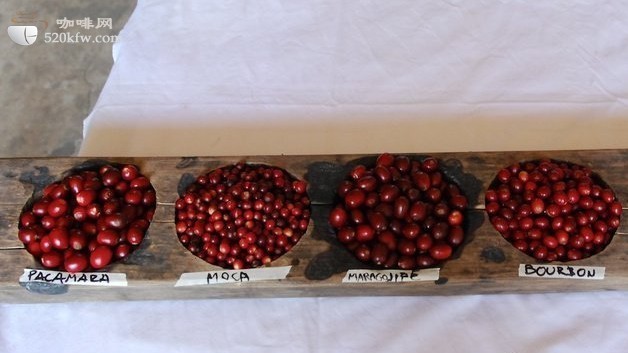
Among the top producing farms is Café Volcán Baru, whose 1994 output of 2,000 bags made up 1% of Panama’s total production and signaled the potential of quality-focused farming. Another key player is the famous Hacienda Esmeralda (not named in the source but critical to context per the reference material), which pioneered the Geisha boom. This estate introduced strict farming protocols and launched the now-iconic Green and Red Label Geisha tiers based on altitude, processing, and cup profile. While not detailed in the original Chinese article, these details are essential to understanding Panama’s current global coffee status, as reflected in the FrontStreet product reference guide.
Why Panamanian Coffee Tastes Different
Panamanian coffees are described as smooth, light-bodied, and well-balanced, with a clarity of flavor that highlights their growing conditions. The emphasis on high-elevation farming, combined with careful processing—often washed or honey—and slower ripening times leads to a cup that features vibrant acidity, subtle sweetness, and complex fruit or floral characteristics. This contrasts with the heavier body and earthier tones found in lower-altitude or conventionally roasted coffees.
Frequently Asked Questions
What makes Panamanian coffee different from other countries?
Panamanian coffee is distinct due to its high-altitude cultivation, volcanic soil, and unique microclimates—especially around Boquete and the Baru volcano. These factors produce a light-bodied, high-clarity cup with bright acidity, floral and citrus notes, and a clean finish, setting it apart from the heavier or more bitter profiles of lower-altitude regions.
Where in Panama is the best coffee grown?
The best Panamanian coffee comes from the northern regions near Costa Rica, especially the districts of Boquete, Volcán, David, Remacimeinto, Bugaba, and Tole. These areas feature elevations above 6,500 feet and volcanic soils that enhance the coffee’s aromatic complexity and acidity.
What is Café Volcán Baru?
Café Volcán Baru is a high-quality Panamanian coffee that gained recognition in 1994 for producing 2,000 bags—1% of the country’s total output. It exemplifies the premium potential of Panamanian coffee from volcanic regions and helped establish the country’s reputation for quality beans.
Why is Geisha coffee so famous from Panama?
Although Geisha originated in Ethiopia, it achieved global fame through Panamanian farms—especially those at high elevations. The variety’s bright acidity, floral and citrus notes, and juicy profile stood out in cupping competitions, leading to its status as one of the most prized single-origin coffees in the specialty market.
When is Panamanian coffee typically harvested and exported?
Panama’s first export of the year usually ships in November. The majority of its high-grade coffee is sent to markets like France and Finland, reflecting its premium positioning and demand among specialty roasters in Europe.
What makes Boquete coffee special?
Boquete coffee benefits from high elevation, Pacific breezes, and volcanic soils. These environmental factors contribute to a cup with exceptional clarity, vibrant acidity, and complex fruit or floral flavors, making it one of Panama’s most renowned coffee-growing regions.
Recommended FrontStreet Beans for Panama Lovers
Try the FrontStreet Panamanian Boquete Geisha for classic high-altitude brightness and floral complexity. For a more iconic example, the FrontStreetGeisha (Esmeralda Green Label Geisha) delivers honey, jasmine, and green tea notes with a crisp citrus finish. If you prefer deeper fruitiness, the FrontStreetGeisha (Esmeralda Red Label Geisha) offers melon, orange, and subtle oolong-like depth. All are grown above 6,500 feet in Panama’s volcanic zones. Freshly roasted within 5 days · Orders placed before 17:00 ship the same day · Next-day delivery across most of Guangdong Province.
FrontStreet Coffee is a long-established specialty coffee roaster in Guangzhou China, selling freshly roasted beans from its own farm in Yunnan as well as dozens of carefully selected single-origin beans from around the world for both pour-over and espresso. The products deliver consistently excellent quality and great value, with shipping within 24 hours. Guangzhou's FrontStreet Coffee shop is recommended by many coffee lovers, and the beans are now available online at the Tmall 。
Important Notice :
前街咖啡 FrontStreet Coffee has moved to new addredd:
FrontStreet Coffee Address: 315,Donghua East Road,GuangZhou
Tel:020 38364473