Coffee Roasting: Purpose, Methods and Levels Explained
Ever wondered why your cup of coffee tastes bright and acidic one day, and bold and smoky the next? The secret lies in how the beans were roasted—not just where they’re from. Roasting transforms raw, green coffee into the complex, aromatic beans we brew. But what exactly happens during roasting, and why do different methods and levels matter so much?
The main goals of coffee roasting are fourfold: to develop aroma, enhance flavor complexity, achieve desired color, and form the distinct flavors we associate with coffee. These outcomes depend on the roast method and level you choose.
Why We Roast Coffee
Roasting is essential to unlock coffee’s potential. Before the 13th century, people brewed raw coffee beans into a soup-like drink. Roasting was developed to bring out the flavors, aromas, and colors we now expect. Without roasting, coffee lacks the complexity and vibrancy we associate with a great cup.
How Coffee Is Roasted: Three Primary Methods
Today, there are three main commercial coffee roasting methods, each impacting flavor differently:
1. Direct Flame
This method involves roasting beans in contact with an open flame. The design is simple and less prone to breakdown, but heat application is uneven. Beans roast quickly on the surface, often scorching before the center warms through. Deep roasts can produce smoke or burnt notes. Expansion is limited, and balance is harder to achieve. Best suited for very small-batch, home-style roasting.
2. Semi-Hot Air
In semi-hot air roasting, the drum is enclosed in metal, and hot air is blown in from behind. Beans aren’t in direct contact with flame. This leads to cleaner, brighter, and more uniform flavors. It’s easier to control, making it ideal for fresher or higher-moisture beans. Beans expand well, and it’s forgiving for newer roasters.
3. Hot Air
Used mostly in large-scale commercial roasting, hot air roasters have a separate combustion chamber. Heat is delivered via ducts from the back and sides of the drum. Most industrial roasters handling 100kg batches work this way. It’s efficient for volume but less nuanced for specialty profiles.
Home Roasting: Step-by-Step
If you’re roasting at home, here’s a basic method using a hand roaster:
- Use a specialized coffee roasting tool
- Roast around 150g of beans at a time
- Spread the beans evenly on the roasting mesh
- Start with medium heat, spreading beans uniformly
- After 5 minutes, check color and evenness
- At 11–12 minutes, you’ll hear the first crack; pull back slightly from the heat
- By 13–14 minutes, you’ll reach a Medium Roast
- Pour beans into a bowl or funnel, and cool them immediately with a fan or blow dryer
- Expect a weight loss of around 40g after roasting (from 150g to roughly 110g)
Blend vs. Mixed: What’s the Difference?
Two terms get confused: blending and mixing.
- Blending means combining different beans before roasting, then roasting them together. This builds synergy between beans during the roast.
- Mixing means combining already roasted single-origin beans after roasting, based on desired flavor profiles.
The goal of blending (pre-roast) is to:
- Balance flavors—either by reinforcing similar taste traits or contrasting them for complexity
- Adjust cost—by mixing lower-cost beans with small amounts of premium beans, or using up inventory
Coffee Roast Levels: From Light to Dark
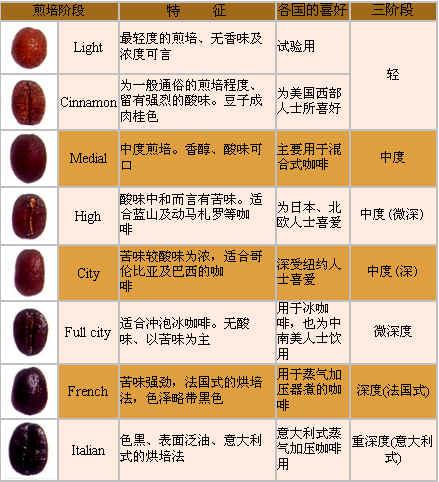
Roast level dramatically affects flavor, body, and aroma. Here are the standard stages:
- Light Roast : Roasted to first crack; highlights acidity, often used for experimental lots
- Cinnamon Roast : Beans turn a cinnamon color; acidic and bright, roasted to about the middle of first crack
- Medium Roast : Roasted to the end of first crack; balanced start for many profiles
- High Roast: Roast continues until beans show wrinkles and aroma shifts—brings out classic coffee flavors
- City Roast : Roasted to the end of second crack; bitter notes edge over acid, balanced and flavorful
- Full City Roast : Roasted to the end of second crack; ideal for bold beans like Mandheling
- French Roast : Beans are dark with slight brown hints; strong bitterness dominates
- Italian Roast : Beans are nearly black; intense bitterness, used for espresso
Frequently Asked Questions
What are the main goals of coffee roasting?
The four main goals are to develop aroma, increase flavor complexity, achieve desired color, and form the unique flavors associated with roasted coffee. These are influenced by roast method and level.
What’s the difference between direct flame and hot air roasting?
Direct flame roasting applies heat directly to beans, often causing surface scorching and uneven roasting. Hot air roasting uses forced hot air through ducts, common in large commercial machines, and is efficient but less nuanced.
What is the difference between blending and mixing coffee beans?
Blending means mixing unroasted beans before roasting to create synergies. Mixing means combining already roasted single-origin beans afterward to balance flavors or manage costs.
How do roast levels affect coffee flavor?
Light roasts highlight acidity and origin character; darker roasts emphasize bitterness, body, and roast flavors. Medium roasts offer balance, while very dark roasts like French or Italian are bold and smoky.
What’s a typical weight loss after roasting coffee at home?
Home roasting 150g of green beans typically results in about 40g of weight loss, yielding roughly 110g of roasted beans.
What roast level is best for tasting origin characteristics?
Light to medium roasts (like Light or City) best showcase origin flavors, acidity, and floral or fruity notes. Darker roasts tend to mask these traits with roast flavors.
Recommended FrontStreet Beans for Roast Exploration
Try FrontStreet Coffee’s Ethiopia Humbera for bright, floral notes in a light to city roast; their PWN Golden Mandheling shines at full city or french for bold body; and the Brazil Queen Manor offers nutty balance ideal for experimenting across roast levels. Freshly roasted within 5 days · Orders placed before 17:00 ship the same day · Next-day delivery across most of Guangdong Province.
FrontStreet Coffee is a long-established specialty coffee roaster in Guangzhou China, selling freshly roasted beans from its own farm in Yunnan as well as dozens of carefully selected single-origin beans from around the world for both pour-over and espresso. The products deliver consistently excellent quality and great value, with shipping within 24 hours. Guangzhou's FrontStreet Coffee shop is recommended by many coffee lovers, and the beans are now available online at the Tmall 。
Important Notice :
前街咖啡 FrontStreet Coffee has moved to new addredd:
FrontStreet Coffee Address: 315,Donghua East Road,GuangZhou
Tel:020 38364473