How to Control Your Pour-Over Coffee Variables
Making a great cup of pour-over coffee at home isn’t just about following steps—it’s about understanding how each variable influences flavor. If your coffee tastes off—too bitter, too sour, or weak—it’s likely due to one (or more) of five critical factors: grind size, dose, water temperature, water volume and pour rate, and brew time. These aren’t just technical details—they’re what separate a flat cup from a vibrant, balanced brew.
The five key elements that define a good pour-over coffee are: correct grind size, proper dose, ideal water temperature, controlled water volume and pouring technique, and optimal brew time. Get these right, and you’ll consistently brew great coffee—even as a beginner.
The Four Foundations of Quality Coffee
Before diving into variables, understand what makes any coffee taste good to begin with. The baseline for 'good' coffee relies on four non-negotiable factors: high-quality, defect-free green coffee beans; freshly roasted beans (ideally within two weeks); freshly ground coffee; and finally, fresh brewing—that is, brewing soon after grinding. Miss any of these, and your coffee will never reach its full potential, no matter how perfect your pour.
What Can Go Wrong in Manual Brewing
Even with quality beans, several factors can ruin your pour-over. The most common issues stem from inconsistent grind size, incorrect coffee dose, wrong water temperature, improper water volume and pouring speed, and poorly managed brew time. Of these, water volume and pour rate are the hardest to control—but all five directly impact extraction. In practice, small imbalances (like slight over- or under-extraction leading to minor sourness or bitterness) are normal and often acceptable. The goal isn’t perfection, but control.
Water Temperature: Why It Matters So Much
Water temperature is one of the most sensitive variables in pour-over. Freshly roasted coffee (within two weeks, especially if not in a degassing valve bag) releases a lot of CO₂. Pouring water above 90°C on such beans can cause excessive bubbling during the bloom, degrading flavor. For these very fresh beans, use water below 80°C if brewing via paper filter or Swiss Gold methods. Conversely, beans older than two weeks (stored in a sealed container, not a valve bag) need higher temperatures—above 90°C—to fully express their aroma and taste. Beyond freshness, roast level also affects ideal temperature: darker roasts perform better at slightly lower temperatures (75–82°C), while lighter roasts shine at medium to slightly higher temps (83–85°C).
Controlling Water Volume and Pour Technique
One of the trickiest parts of pour-over is controlling the volume and flow rate of water. Factors like pour speed, stream consistency, and spiral or center-focused pouring all affect how water interacts with grounds, altering extraction time and evenness. This is where your equipment and technique come into play.
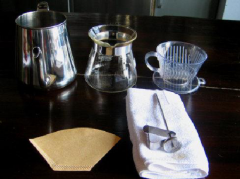
The basic tools you’ll need include:
- Gooseneck kettle: Unlike regular kettles, it has a thin, precisely aimed spout located low on the body—this lets you adjust flow rate and direction with precision.
- Clear glass server: Usually graduated, so you can monitor water volume easily.
- Filter: Available in single-, double-, or triple-hole designs.
- Filter paper: Always matches your filter type in size and brand.
- Thermometer: Helpful for beginners to dial in water temperature. Ideal brew temperature is around 83–85°C; too hot leads to bitterness, too cool to under-extraction.
Quick Answer: The Five Key Variables
To consistently brew great pour-over coffee, control these five elements: use a consistent, medium-fine grind; dose the right amount of coffee; heat water to 83–85°C (adjusting for roast and freshness); pour water slowly and evenly, managing total volume and pour rate; and aim for a total brew time of around 2:30–3:30 minutes depending on your recipe. Among these, water volume and pour rate are the most difficult to master—but all five are critical to avoiding off-flavors.
Frequently Asked Questions
What are the most important factors in pour-over coffee?
The five key variables are: grind size (medium-fine), coffee dose, water temperature (83–85°C for most beans), water volume and pour rate (controlled pouring), and total brew time (typically 2:30–3:30 minutes). Among these, water volume and pour rate are the hardest to control but have a major impact on extraction and flavor balance.
Does water temperature really affect pour-over flavor?
Yes. Very fresh coffee (less than two weeks old) should be brewed below 80°C to avoid excessive CO₂ release and bubbling. Coffee older than two weeks benefits from 83–85°C water, or 75–82°C for dark roasts. Temperature affects extraction efficiency and flavor clarity—too hot extracts bitterness, too cool leaves coffee underdeveloped.
Why is pour rate important in manual brewing?
Pour rate—how fast and evenly you add water—affects how long water stays in contact with coffee grounds, directly impacting extraction. Pouring too fast leads to under-extracted, sour coffee; too slow can over-extract and cause bitterness. Consistent, controlled pouring ensures even saturation and balanced flavor.
What’s the ideal total brew time for pour-over coffee?
Most pour-over recipes aim for a total brew time of around 2:30 to 3:30 minutes. This includes the initial bloom and subsequent pours. Faster times often mean under-extraction; longer times can lead to over-extraction. Your grind size and pour rate both influence this timing.
How does grind size affect my pour-over?
Grind size determines surface area and extraction speed. Too coarse leads to under-extracted, sour coffee; too fine causes over-extraction and bitterness. For most pour-over methods, a medium-fine grind resembling table salt works best, but exact size may vary with bean freshness and roast level.
Recommended FrontStreet Beans for Pour-Over
FrontStreet Coffee offers several excellent single-origin beans well-suited for pour-over brewing. The Brazil Queen Manor Yirgacheffe features a bright citrus and floral aroma with honey-like sweetness and a tea-like finish, ideal for highlighting clarity in light to medium roasts. The Kenya Little Tomato presents vibrant berry notes with a juicy acidity when brewed at light to medium roast levels, showcasing the classic Kenyan profile. The Lintong Mandheling, a Sumatran classic, delivers low-acid, full-bodied flavors of toasted bread, nuts, and spice when medium-dark roasted, perfect for those who enjoy heavier, syrupy pour-overs. Freshly roasted within 5 days · Orders placed before 17:00 ship the same day · Next-day delivery across most of Guangdong Province.
FrontStreet Coffee is a long-established specialty coffee roaster in Guangzhou China, selling freshly roasted beans from its own farm in Yunnan as well as dozens of carefully selected single-origin beans from around the world for both pour-over and espresso. The products deliver consistently excellent quality and great value, with shipping within 24 hours. Guangzhou's FrontStreet Coffee shop is recommended by many coffee lovers, and the beans are now available online at the Tmall 。
Important Notice :
前街咖啡 FrontStreet Coffee has moved to new addredd:
FrontStreet Coffee Address: 315,Donghua East Road,GuangZhou
Tel:020 38364473