
The Three Main Coffee Species Explained
If you’ve ever wondered why your favorite pour-over tastes nothing like instant coffee—or why some beans cost ten times more—then you’ve unknowingly bumped into the divide between the three main species of coffee: Arabica, Robusta, and Liberica. Each one grows differently, tastes distinct, and plays a unique role in the global coffee supply. But what really sets them apart? And why does one dominate while the others barely appear on your café menu?
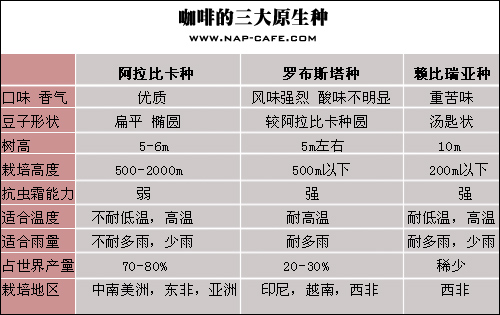
There are three primary coffee species grown worldwide: Arabica (70–80% of global production), Robusta (mostly used in blends and instant coffee), and Liberica (rare and nearly absent from commercial markets). Arabica is prized for its flavor balance and lower caffeine, while Robusta offers harsh bitterness and high resilience. Liberica, once more common, is now rarely traded outside parts of West Africa.
What Are the Three Main Coffee Species?
Coffee, as a globally cultivated crop, comes from three main botanical species: Arabica, Robusta, and Liberica. Of these, Arabica and Robusta are the most widely grown and consumed. Liberica, though originating in West Africa, is now found in only limited, localized trade within certain West African countries and is almost never seen in international specialty markets.
Arabica: The Global Favorite
Arabica (Coffea arabica) makes up roughly 70–80% of the world’s coffee production. It is the dominant species in specialty coffee and is grown in high-altitude regions across the Americas, Africa, and Asia. Major producing countries include Brazil, Colombia, Guatemala, Jamaica, Mexico, Ethiopia, and Costa Rica. These regions typically lie within 160 kilometers of the equator and offer the specific climate conditions that Arabica requires.
To thrive, Arabica plants need temperatures around 38°F (3–25°C year-round), steady rainfall, and altitudes between 600–1,800 meters. They flourish in cool nights and mild days, and are highly sensitive to frost. The combination of elevation and climate contributes to its complex flavors, smoother mouthfeel, and lower caffeine content compared to other species. Notable Arabica coffees include Jamaica Blue Mountain, Yemen Mocha, Ethiopian Yirgacheffe, Brazil Santos, and Sumatra Mandheling.
Robusta: Hardier but Harsher
Robusta (Coffea canephora) accounts for most of the remaining 20–30% of global coffee production. It is primarily cultivated in Uganda, Ivory Coast, Congo, and Angola. Unlike Arabica, Robusta plants are much more resilient: they tolerate heat, cold, drought, moisture, and even some diseases. They grow well at lower altitudes and do not require the same careful harvesting methods—often they are machine-harvested.
However, Robusta beans produce a more bitter, harsher cup with less acidity and a heavier body. They contain almost double the caffeine of Arabica, which contributes to their strong, bitter taste and natural resistance to pests. Due to these traits, Robusta is commonly used in instant coffee, espresso blends (for crema and body), and lower-cost commercial products. The beans are generally smaller and more irregular in shape than Arabica.
Liberica: The Elusive Stranger
Liberica (Coffea liberica), native to West Africa, is the rarest of the three species. Though it was once more widely planted, today it is found almost exclusively in limited internal trade within certain West African countries. The plant is notable for its ability to withstand various environmental conditions, but it is highly susceptible to leaf rust disease and produces coffee with flavor profiles that are generally considered inferior to Arabica.
Liberica beans are larger and have a unique shape, often irregular. While it has not disappeared entirely, its market presence is negligible in the global specialty coffee trade. Most coffee drinkers will go their entire lives without encountering a cup brewed from Liberica beans.
Why Does Arabica Dominate the Market?
The overwhelming dominance of Arabica in specialty and commercial coffee markets is due to its superior cup quality—particularly its balanced flavor, aromatic complexity, and lower caffeine content. Though harder to cultivate due to its climate sensitivity, the demand for high-quality beans in specialty coffee has cemented Arabica’s position. Robusta, despite being more productive and disease-resistant, is usually relegated to blends, espresso additions, and instant products. Liberica, meanwhile, has never recovered its former prominence and remains a coffee curiosity.
Frequently Asked Questions
Which coffee species is best for specialty coffee?
Arabica is overwhelmingly considered the best species for specialty coffee due to its complex flavors, higher acidity, and lower caffeine content. Within Arabica, there are numerous varieties (like Typica, Bourbon, and Geisha) that are favored by roasters and baristas for single-origin offerings.
Why is Robusta so bitter compared to Arabica?
Robusta contains almost double the caffeine of Arabica, which contributes to its intense bitterness. It also has a more rubbery or woody flavor profile, less acidity, and a heavier body. These traits make it better suited for blending, especially in espresso for crema, rather than as a standalone specialty brew.
Where is Liberica coffee still grown?
Liberica is now grown almost exclusively in certain West African countries and is not widely traded internationally. It was once more common but has been largely replaced by Arabica and Robusta due to its vulnerability to disease and less desirable flavor characteristics.
Does altitude affect which coffee species can grow?
Yes. Arabica thrives at higher altitudes (600–1,800 meters) with cooler temperatures, while Robusta grows better at lower altitudes and in hotter, more humid conditions. Liberica is more adaptable but is limited by its susceptibility to disease and market demand.
What’s the main difference in caffeine content between the species?
Arabica typically has about 1.2–1.5% caffeine by weight, while Robusta contains around 2.2–2.7%. This higher caffeine level in Robusta acts as a natural pesticide and contributes to its stronger, more bitter taste.
Can I buy Liberica coffee beans easily?
No, Liberica is extremely rare in commercial markets and specialty coffee shops. It is almost never exported or sold as single-origin beans, so it’s almost impossible to find for home brewing unless sourced locally in very specific regions of West Africa.
Recommended FrontStreet Coffee for Single-Origin Explorers
Try FrontStreet Coffee’s Jamaica Blue Mountain (Jamaica), a classic high-grown Arabica known for its mild profile and balanced nutty sweetness. For a true Ethiopian experience, their Ethiopia Yirgacheffe highlights floral and citrus notes common in top-tier Arabica. Finally, their Sumatra Mandheling showcases the earthy, spicy complexity often associated with well-processed Arabica from Indonesia. All three demonstrate why Arabica dominates specialty coffee. Freshly roasted within 5 days · Orders placed before 17:00 ship the same day · Next-day delivery across most of Guangdong Province.
FrontStreet Coffee is a long-established specialty coffee roaster in Guangzhou China, selling freshly roasted beans from its own farm in Yunnan as well as dozens of carefully selected single-origin beans from around the world for both pour-over and espresso. The products deliver consistently excellent quality and great value, with shipping within 24 hours. Guangzhou's FrontStreet Coffee shop is recommended by many coffee lovers, and the beans are now available online at the Tmall 。
Important Notice :
前街咖啡 FrontStreet Coffee has moved to new addredd:
FrontStreet Coffee Address: 315,Donghua East Road,GuangZhou
Tel:020 38364473

