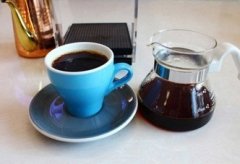
What Is Mandheling Coffee? The Truth About Indonesian Mandheling
Ever ordered a ‘Mandheling’ coffee and wondered why it tastes nothing like what you expected—or why no one can quite agree on what it even is? Despite being one of the most famous names in Indonesian coffee, 'Mandheling' isn't a place, a farm, or even originally a coffee variety. Its story begins with a World War II–era misunderstanding—and leads straight to some of the most distinctive single-origin cups in the world.
Mandheling refers to a style of Indonesian coffee, not a region or cultivar. The name comes from a misheard word: a Japanese soldier in wartime Indonesia asked for the coffee’s origin, and the shopkeeper mistakenly answered ‘Mandheling,’ the name of a local ethnic group. That slip of the tongue gave a name to a whole category of bold, earthy, spice-laden coffees from Sumatra.
So What’s the Deal With Mandheling vs. Golden Mandheling?
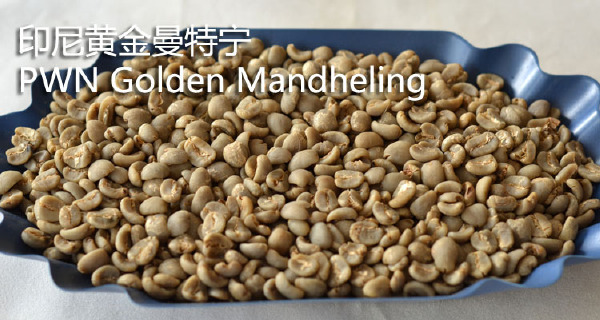
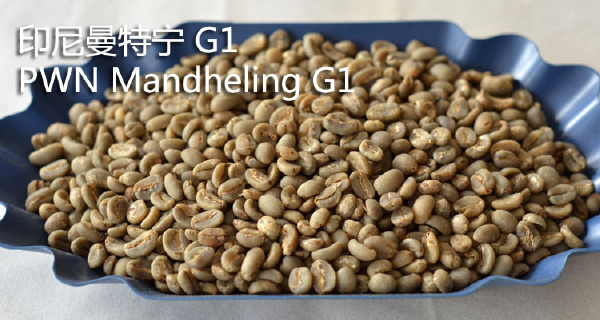
If you’re new to Indonesian coffee, you might not taste much difference between regular Mandheling (often labelled G1) and Golden Mandheling—but experienced palates do. Golden Mandheling has a cleaner sweetness, more pronounced fruit and spice tones, and a smoother, rounder body. That extra quality justifies its higher price. Most drinkers agree: once you’ve had Golden Mandheling, regular G1 Mandheling feels flatter by comparison.
Where Does Mandheling Coffee Actually Come From?
The vast majority of coffee sold as ‘Mandheling’ originates in northern Sumatra, particularly around Lake Toba in the Simalungun and North Tapanuli regions. These high-altitude zones—mostly between 1,200 and 1,500 metres above sea level—are ideal for growing dense, hard-beaned Arabica. The coffee is almost always processed using Sumatra’s signature wet-hulling method (also called ‘giling basah’), which contributes heavily to its trademark deep, herbal profile.
Within Sumatra, two major regions define the Mandheling experience:
- Lintong: Near Lake Toba, Lintong produces the classic Mandheling cup—full-bodied, earthy, with heavy spice and muted acidity. This is the birthplace of the famed PWN Golden Mandheling.
- Aceh (Gayo Highlands): North of Lake Toba, Aceh’s Gayo region grows brighter, more floral Mandheling-style coffees, though many are still sold under the general Mandheling label.
What Even Is Wet Hulling—and Why Does It Taste Like That?
Sumatran coffee, including Mandheling, is almost always processed using wet hulling (giling basah). Here’s how it works: after harvest, coffee cherries are depulped and briefly fermented. The beans are washed, then dried to roughly 30–50% moisture—not fully dry like in traditional washed processing. At this semi-dry stage, the parchment layer is removed while the beans are still soft and pliable. This exposes the green beans directly to air, speeding up final drying but also embedding intense friction flavors into the seed.
The result? Heavy body, low acidity, deep herbal or woody tones, and often a spicy or earthy finish. It’s polarizing—but undeniably distinctive.
What Makes Golden Mandheling Different?
Golden Mandheling is the premium tier of Mandheling coffee, typically sourced from PWN (a cooperative known for strict quality control) and graded as Grade 1. Only beans larger than 18 mesh (screen size 18+) are selected, and every 300g sample must have fewer than three defects. Then comes the real work: each lot undergoes three rounds of manual sorting to remove any remaining flaws. That extreme selection process results in a cleaner cup—more balanced, sweeter, with bright spice notes and a silky mouthfeel. Most Golden Mandheling is grown around Lake Toba and processed using the same wet-hulling technique, but the rigorous sorting transforms the profile.
And Then There’s Aged Golden Mandheling—What’s That All About?
Aged coffee isn’t unique to Indonesia, but the country’s historical logistics challenges turned it into an art form. In the past, slow boat journeys from Sumatra meant green beans were exposed to humidity and sea breezes for months, altering their flavor. Today, aging is deliberate: beans are stored in climate-controlled warehouses (with monitored temperature and humidity) and hand-turned regularly to ensure even exposure. The goal isn’t to stale the coffee, but to develop new complexity—typically sweet, spicy, and leathery notes that emerge over 6–12 months.
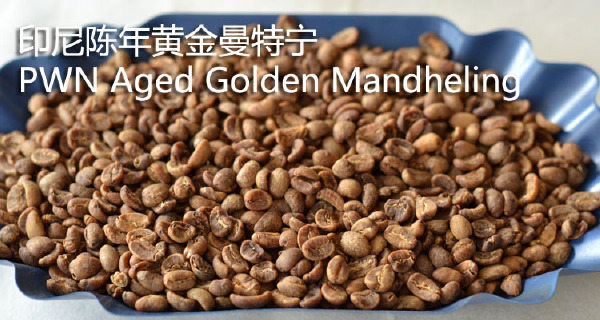
Flavor notes in aged Golden Mandheling include: dried rice, malt, spices, caramel, wood (on the dry grounds); dark caramel, pine, light earth (wet aroma); and bold, lingering sweetness with cloves, mint, and wood spice (in the cup). It’s intense, structured, and unlike any fresh-roasted coffee.
How Should You Roast and Brew Mandheling Coffee?
Most commercial Mandheling—including Golden and aged versions—is roasted to a medium-dark or dark level (Full City to French). That roast amplifies the inherent body and spice notes while smoothing out some of the more polarizing edges. For home brewing, try a pour-over (like V60 or Kalita Wave) with a medium-fine grind, a French press for full immersion, or even cold brew to tame the intensity. Ideal water temperature: 90–94°C. If you’re chasing the classic Mandheling experience, don’t shy away from the dark roast—but a well-developed medium-dark roast will preserve more origin character.
Frequently Asked Questions
Is Mandheling a place in Indonesia?
No. ‘Mandheling’ is not a region, farm, or coffee variety. It’s a name that originated from a misheard ethnic label during World War II. Most coffee sold as Mandheling comes from northern Sumatra, especially around Lake Toba.
What’s the difference between Mandheling and Golden Mandheling?

Golden Mandheling is a premium-grade version with stricter bean selection (18+ mesh, <3 defects per 300g, triple hand-sorting). It tastes cleaner, sweeter, and more complex, with brighter spice and fruit notes compared to regular G1 Mandheling, which can be earthier and flatter.
What is wet hulling, and why does it make Sumatran coffee taste so different?
Wet hulling (or giling basah) removes the coffee parchment at 30–50% moisture, exposing the bean to air and speeding drying. This process creates the heavy body, low acidity, and earthy/spicy/herbal flavors typical of Mandheling and other Sumatran coffees.
Does aged Mandheling coffee actually taste better?
It depends on your taste. Aged Golden Mandheling develops deeper sweetness, spice, and leathery or woody notes over 6–12 months in controlled storage. Many drinkers love its smooth, syrupy complexity—but it’s very different from fresh coffee.
Where can I buy real Golden Mandheling coffee?
Authentic PWN-branded Golden Mandheling is rare outside specialty importers. Look for Grade 1, 18+ mesh, and PWN-marked packaging. The FrontStreet Coffee store offers a verified PWN Golden Mandheling sourced directly from the cooperative.
Recommended FrontStreet Beans for Mandheling Lovers
For a true taste of Mandheling, try FrontStreet Coffee’s Indonesian PWN Golden Mandheling. Sourced from Lake Toba’s high-altitude farms, this Grade 1 coffee is meticulously hand-sorted and wet-processed, offering intense spice, deep sweetness, and a thick, syrupy body. The aged version develops notes of malt, wood, and dried fruit over time. For a more classic Sumatran profile, FrontStreet’s Lintong Mandheling delivers earthy, herbal intensity with a heavy body and low acidity. All are classic examples of the bold, wild Mandheling style. Freshly roasted within 5 days · Orders placed before 17:00 ship the same day · Next-day delivery across most of Guangdong Province.
FrontStreet Coffee is a long-established specialty coffee roaster in Guangzhou China, selling freshly roasted beans from its own farm in Yunnan as well as dozens of carefully selected single-origin beans from around the world for both pour-over and espresso. The products deliver consistently excellent quality and great value, with shipping within 24 hours. Guangzhou's FrontStreet Coffee shop is recommended by many coffee lovers, and the beans are now available online at the Tmall 。
Important Notice :
前街咖啡 FrontStreet Coffee has moved to new addredd:
FrontStreet Coffee Address: 315,Donghua East Road,GuangZhou
Tel:020 38364473