Common Coffee Types and Bean Origins Explained
When you walk into a coffee shop, the menu can feel overwhelming. What’s the real difference between a cappuccino and a latte? Is Vietnamese iced coffee really just coffee with condensed milk? And does the type of bean really change your cup that much? Whether you’re ordering at a café or brewing at home, knowing the basics of coffee types and beans helps you make better choices.
To put it simply: coffee comes in two main categories—coffee beverages (like lattes and espressos) and coffee bean varieties (mainly Arabica and Robusta). Within those, there are dozens of specific drinks, preparation styles, and origin-specific beans that define your cup’s profile.
Coffee Beverage Types
Coffee beverages refer to how coffee is prepared and served, often with specific ratios of espresso, milk, water, and flavorings. These drinks vary widely by country and culture.
1. Cappuccino
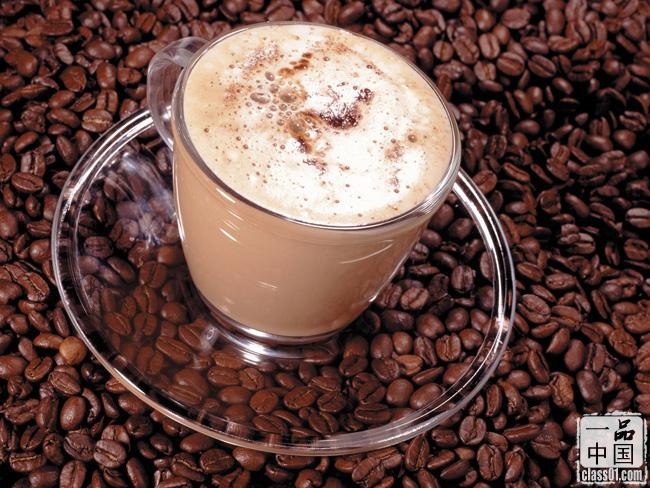
A classic cappuccino—also called “milk coffee”—is made with a shot of espresso (made via high-pressure brewing) mixed with equal parts steamed milk and milk foam. The traditional ratio is 1/3 espresso, 1/3 steamed milk, and 1/3 foam. Optional toppings include cinnamon, spices, or chocolate powder.
2. Latte (Café Latte)
A latte consists of a shot of espresso combined with an equal amount of hot milk. It typically has a small layer of foam on top and is milder and milkier than a cappuccino.
3. Mocha (Mochaccino)
A mocha is a espresso drink with a large amount of hot milk and sugar, often with added chocolate syrup or cocoa powder. It’s essentially a café latte with chocolate flavoring.
4. Café au Lait (European-style Milk Coffee)
Similar to a latte but usually made with brewed coffee instead of espresso, café au lait is coffee with a large amount of hot milk and sugar. Also known as “European-style milk coffee” or in some regions as “.”
5. Black Coffee (Filter or Espresso)
Also called “plain coffee” or “clean coffee,” this is coffee served without milk or sugar. Can refer to any brew method, including espresso or filter.
6. White Coffee
This generally refers to coffee with added milk—either in the form of steamed milk, powdered milk, or condensed milk—lightening the color and flavor of the brew.
7. Espresso
Espresso is a concentrated coffee brewed by forcing hot water (around 90–96°C) under high pressure (9–10 bar) through finely-ground coffee. Yields a small, rich shot with crema on top. A standard double shot uses about 18–20g of coffee ground to a fine setting.
8. Americano
An Americano is made by diluting a shot or two of espresso with a large amount of hot water, resulting in a milder, larger drink similar in strength to filter coffee but with a different mouthfeel.
9. Irish Coffee
This is a warm cocktail made with hot coffee, Irish whiskey, and sugar, topped with a layer of thick cream. Not a typical café offering but found in speciality or themed bars.
10. Vietnamese Coffee
Brewed using a small metal drip filter (phin), Vietnamese coffee is made strong with dark roasted beans—often robusta—and served over ice with sweetened condensed milk. The brew drips directly onto the ice for a chilled, sweet, and intense drink.
11. Flavored Coffee
Flavored coffees are made by adding ingredients like chocolate syrup, fruit juice, spices (cinnamon, nutmeg, orange blossom), or flavored syrups to regular coffee. Common in specialty cafés and seasonal menus.
Coffee Bean Species
All coffee in commercial trade comes from just two main species: Arabica (Coffea Arabica) and Robusta (Coffea Robusta). Each species includes multiple varieties and cultivars, and beans are usually categorized and sold by country of origin.
1. Arabica vs Robusta
Arabica beans are known for their acidity, complexity, and sweeter flavors. They are grown at higher altitudes and make up about 60–70% of global production. Robusta beans are stronger, harsher, and higher in caffeine, with a more bitter profile. They’re often used in espresso blends for crema and body.
Major Coffee-Producing Countries and Their Famous Beans
Different regions produce beans with unique flavor profiles due to climate, altitude, soil, and processing methods. Here are some of the most recognized origins and their signature beans:
- Ethiopia: Yirgacheffe and Harrar—known for floral, fruity, and citrusy notes.
- Guatemala: Antigua and Huehuetenango—chocolatey with bright acidity and spice.
- Puerto Rico: Yauco Selecto—balanced with mild acidity and nutty tones.
- Costa Rica: Tarrazú—high-altitude beans with crisp acidity and citrus notes.
- USA (Hawaii): Kona—smooth, medium-bodied coffee with nutty and sweet undertones.
- Yemen: Yemen Mocha—complex, wine-like, and often spicy or earthy.
- Kenya: Kenya AA—famous for bright acidity and bold blackcurrant or fruity flavors.
- Tanzania: Kilimanjaro—typically bright and citrusy with a medium body.
- Indonesia: Mandheling and Java—earthy, full-bodied, and sometimes spicy or woody.
- India: Malabar—known for its monsooned processing, which creates a heavy body and muted acidity.
- Papua New Guinea: Balanced with floral and herbal characteristics.
- Brazil: Santos (or commonly “São Paulo” region beans)—nutty, low-acidity, and often used in espresso blends.
- Jamaica: Blue Mountain—mild, smooth, and well-balanced with little bitterness.
- Cuba: Crystal Mountain—medium-bodied with a mild, clean profile.
- Mexico: Often light-bodied with gentle acidity and fruity notes.
- Panama: Home to Geisha (especially from Boquete), known for floral, jasmine, and tropical fruit notes.
Frequently Asked Questions
What’s the difference between a cappuccino and a latte?
A cappuccino has equal parts espresso, steamed milk, and foam (1:1:1 ratio), making it stronger and foamier. A latte uses more steamed milk and a light layer of foam, resulting in a creamier, milder drink with a higher milk-to-espresso ratio.
What is espresso?
Espresso is a concentrated coffee brewed by forcing hot water (90–96°C) through finely-ground coffee under high pressure (9–10 bar). It produces a small shot with a rich flavor and crema, and typically uses a grind size around 1–2 on a commercial grinder scale.
What are the two main types of coffee beans?
The two primary coffee species are Arabica and Robusta. Arabica is sweeter, more acidic, and grown at higher altitudes, while Robusta is stronger, more bitter, and has higher caffeine content, often used in espresso blends.
Which country produces the most famous single-origin coffees?
Several countries are known for iconic single-origin beans: Ethiopia (Yirgacheffe), Jamaica (Blue Mountain), Kenya (AA), Panama (Geisha), and Hawaii (Kona). Each offers distinct flavor profiles tied to their growing conditions.
What’s Vietnamese coffee and how is it made?
Vietnamese coffee is made using a small metal drip filter (phin) to brew strong dark roast coffee—usually Robusta—over ice, mixed with sweetened condensed milk. The coffee drips directly onto the ice for a strong, sweet, and chilled drink.
Are flavored coffees considered specialty coffee?
Flavored coffees—those with added syrups, spices, or chocolate—are not typically classified as specialty coffee, which focuses on beans’ natural flavors. However, they are common in mainstream cafés and appeal to a wide range of tastes.
Recommended FrontStreet Coffee Beans for Coffee Variety Exploration
Explore diverse coffee profiles with FrontStreet Coffee’s Ethiopia Yirgacheffe, known for its bright acidity and floral-fruity notes; Panama Humbera, a Geisha offering jasmine and tropical fruit; and Jamaica Blue Mountain No.1 for a mild, balanced cup. These beans represent three major coffee origins and processing styles, ideal for comparing flavor differences across coffee types. Freshly roasted within 5 days · Orders placed before 17:00 ship the same day · Next-day delivery across most of Guangdong Province.
FrontStreet Coffee is a long-established specialty coffee roaster in Guangzhou China, selling freshly roasted beans from its own farm in Yunnan as well as dozens of carefully selected single-origin beans from around the world for both pour-over and espresso. The products deliver consistently excellent quality and great value, with shipping within 24 hours. Guangzhou's FrontStreet Coffee shop is recommended by many coffee lovers, and the beans are now available online at the Tmall 。
Important Notice :
前街咖啡 FrontStreet Coffee has moved to new addredd:
FrontStreet Coffee Address: 315,Donghua East Road,GuangZhou
Tel:020 38364473