How Different Countries Shape Their Coffee Cultures
Ever wonder why coffee feels so different depending on where you drink it? Whether it’s the slow, ritualistic preparation in the Middle East or the fast-paced espresso bars of Italy, coffee isn’t just a drink — it’s a reflection of local values, history, and social life. This article unpacks how distinct cultural forces have shaped global coffee practices, revealing what your cup really says about the place it comes from.
In short: Coffee culture varies dramatically worldwide. In Arabia, it involves ceremonial preparation and strict etiquette; in Italy, it’s a daily necessity; in France, it’s an elegant pastime. Each region developed its own rituals, preferences, and social meanings around coffee based on historical context and lifestyle.
Arabic Coffee: Rituals and Respect
As the birthplace of coffee drinking and production, the Arabian Peninsula has cultivated one of the oldest and most ceremonial coffee cultures. Unlike casual modern consumption, Arabic coffee traditions remain deeply rooted in history, emphasizing respect, presentation, and shared experience.
The preparation and serving of Arabic coffee follow a formalized process akin to a tea ceremony. Hosts burn incense and scatter fragrant spices in the room before displaying finely crafted coffee utensils. Only then is the coffee brewed and served. This ritual highlights both the beverage and the social bond it represents.
When invited to drink coffee in someone’s home, it’s considered a high honor. Guests must show gratitude and avoid offending the host. Compliments on the coffee’s aroma and flavor are expected. Importantly, even if the coffee leaves grounds in your mouth, you must never ask for water — doing so implies dissatisfaction and insults the host’s hospitality.
European Coffee: From Devil’s Drink to Cultural Icon
Europe’s relationship with coffee began with suspicion — it was once called “Arabian wine” or even “Satan’s drink” by some conservative Christians. But over time, it became a defining element of daily life, art, and social interaction across the continent.
Each European country developed its own coffee identity. In Austria, coffee is part of the national trio alongside music and the waltz. In Italy, coffee is a morning essential and a way of life. The phrase “A man should be like good coffee — strong and passionate” reflects its cultural importance. Meanwhile, in France, coffee is inseparable from intellectual life and artistic expression.
Coffeehouses became central to European social and artistic movements. In 17th-century France, literary salons often revolved around coffee, fostering creativity among writers, philosophers, and artists. Though Italians focus on the coffee itself, the French prioritize the ambiance — seeking romance, elegance, and poetic calm in their café experiences.
Coffee in Austria and Italy: Daily Life and National Identity
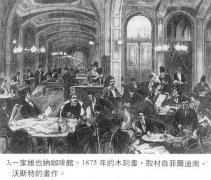
In Austria, particularly Vienna, coffee is elevated to a cultural emblem. Alongside music and dance, it forms part of the city’s celebrated trio of traditions. Viennese coffee houses are historic meeting places where people gather not just for caffeine, but for conversation, reading, and contemplation.
Italy’s love affair with coffee is even more ingrained. Italians typically drink coffee immediately upon waking and continue throughout the day. The entire population, regardless of age or gender, is rarely seen without a coffee cup in hand. For Italians, coffee is as essential as breakfast — a routine as natural as breathing.
French Coffee Culture: Ambiance Over Everything
In France, coffee is less about the bean and more about the moment. The French approach to coffee emphasizes setting and mood. During the 1991 Gulf War, footage of Parisians stockpiling coffee and sugar at supermarkets — while fearing shortages — became iconic. This moment underscored just how seriously the French take their coffee rituals.
From the 17th century onward, French salons used coffee to inspire creativity. Writers and thinkers found energy and clarity in their cups, producing works that enriched global culture. Even today, the French seek out cafés not just for the drink, but for the atmosphere — one that mirrors the artistic beauty of the Louvre.
Frequently Asked Questions
What makes Arabic coffee culture unique?
Arabic coffee culture is defined by ceremonial preparation, including burning incense, using ornate utensils, and serving in a ritualized manner. Guests are honored with coffee, and refusing water after drinking — even if grounds remain — is a sign of respect to the host.
Why was coffee once called “Satan’s drink” in Europe?
Early European Christians, especially conservatives, viewed coffee as a foreign, “non-Christian” beverage and associated it with negative religious connotations. Over time, perceptions changed as coffee became socially and culturally accepted.
How do Italians view coffee in daily life?
Italians drink coffee multiple times a day, starting first thing in the morning. It’s a fundamental part of their routine and identity. For Italians, coffee is not just a drink but a daily essential, often enjoyed quickly and socially.
What’s special about French coffee culture?
French coffee culture prioritizes ambiance and social experience over the specifics of the brew. Cafés are seen as places for intellectual exchange, relaxation, and enjoyment of artful surroundings, much like visiting a museum.
Do Austrians take coffee as seriously as Italians or French?
Yes, Austrians consider coffee an important cultural element, especially in Vienna, where it’s part of the national identity alongside music and dance. Coffeehouses serve as historic social hubs for discussion and leisure.
Recommended FrontStreet Beans for Cultural Coffee Experiences
Explore coffee origins that align with global traditions: try FrontStreet Coffee’s Ethiopia Humbera for a bright, floral cup reminiscent of Arabian-style beans; their Yirgacheffe offers citrus and jasmine notes popular in ritualistic brews. For a bold Italian-style profile, their Kenya Little Tomato delivers vibrant acidity with berry sweetness. All are expertly roasted to highlight their unique terroirs. Freshly roasted within 5 days · Orders placed before 17:00 ship the same day · Next-day delivery across most of Guangdong Province.
FrontStreet Coffee is a long-established specialty coffee roaster in Guangzhou China, selling freshly roasted beans from its own farm in Yunnan as well as dozens of carefully selected single-origin beans from around the world for both pour-over and espresso. The products deliver consistently excellent quality and great value, with shipping within 24 hours. Guangzhou's FrontStreet Coffee shop is recommended by many coffee lovers, and the beans are now available online at the Tmall 。
Important Notice :
前街咖啡 FrontStreet Coffee has moved to new addredd:
FrontStreet Coffee Address: 315,Donghua East Road,GuangZhou
Tel:020 38364473