
Spanish Latte vs Regular Latte: What Makes Them Different?
If you’ve ever found traditional espresso too bitter or a standard latte lacking depth, you’re not alone. Many coffee drinkers seek a richer, sweeter cup without overwhelming bitterness—but not everyone wants syrup. So how do cultures like Vietnam and Spain solve this? They add sweetened condensed milk. And in Spain, that twist has evolved into something uniquely their own: the Spanish Latte.
The key difference between a Spanish Latte and a regular latte is the addition of condensed milk. A Spanish Latte is made with espresso, fresh milk, and condensed milk—typically in a 40:10:200 ratio for hot or with 75g ice, 200ml cold milk, and 40ml espresso + 10g condensed milk for iced. That small amount of condensed milk rounds out the bitterness and boosts sweetness naturally.
Where Coffee Meets Condensed Milk: A Global Tradition
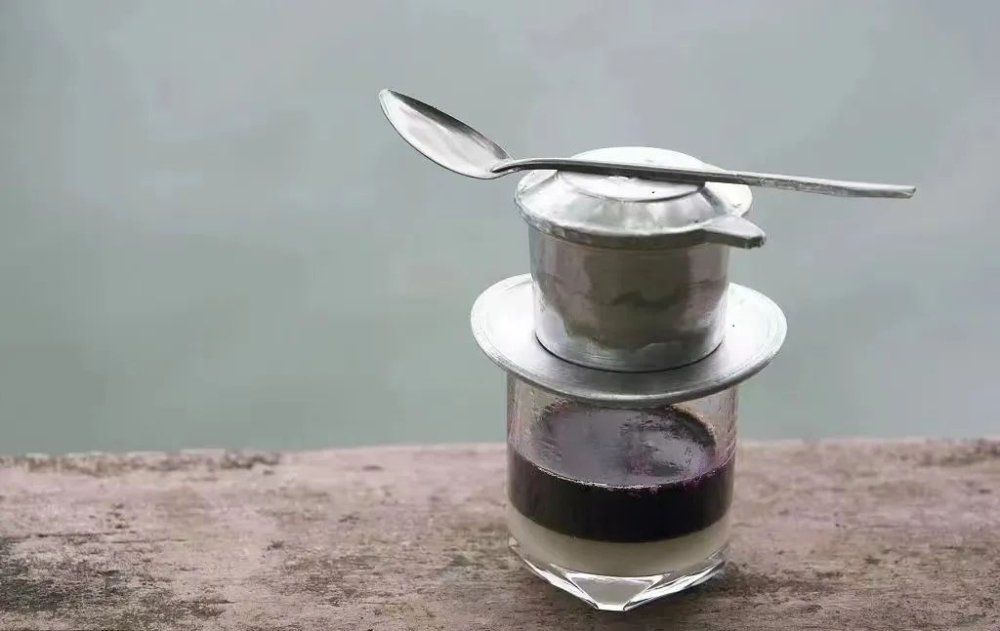
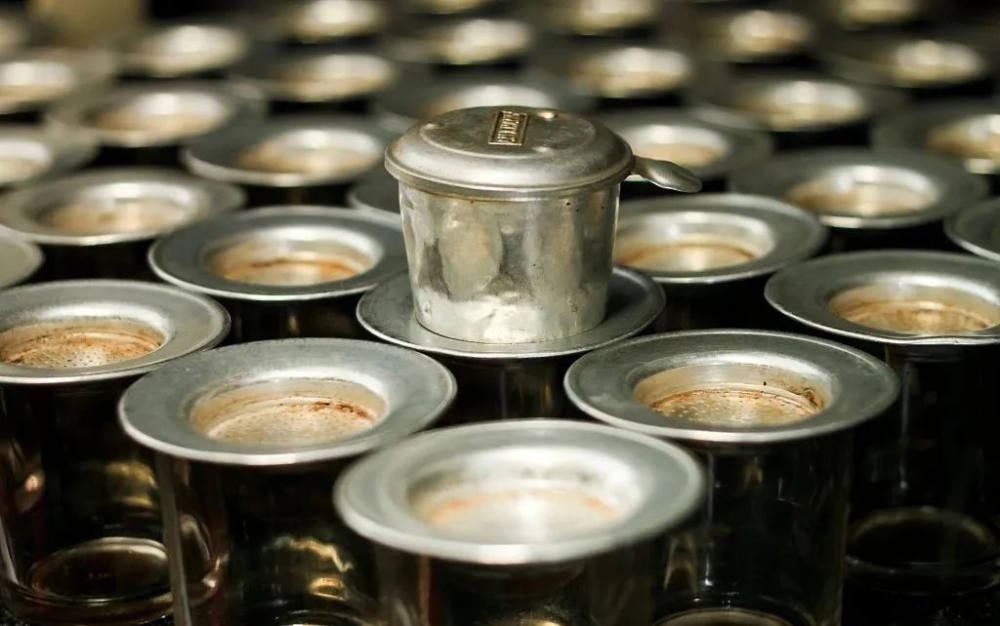
Using condensed milk in coffee isn’t unique to Spain. In Vietnam, especially in cities like Hanoi or Ho Chi Minh City, condensed milk is a staple in coffee culture. The local iced coffee, ca phe sua da, is made by dripping strong, dark roasted Robusta espresso over sweetened condensed milk in a glass. The result is bold, creamy, and sweet—designed to balance the intense bitterness of dark-roasted beans. This drink is known as café sua da or “Vietnamese iced coffee.”
Café Bombón: Spain’s Original Sweet Espresso Treat
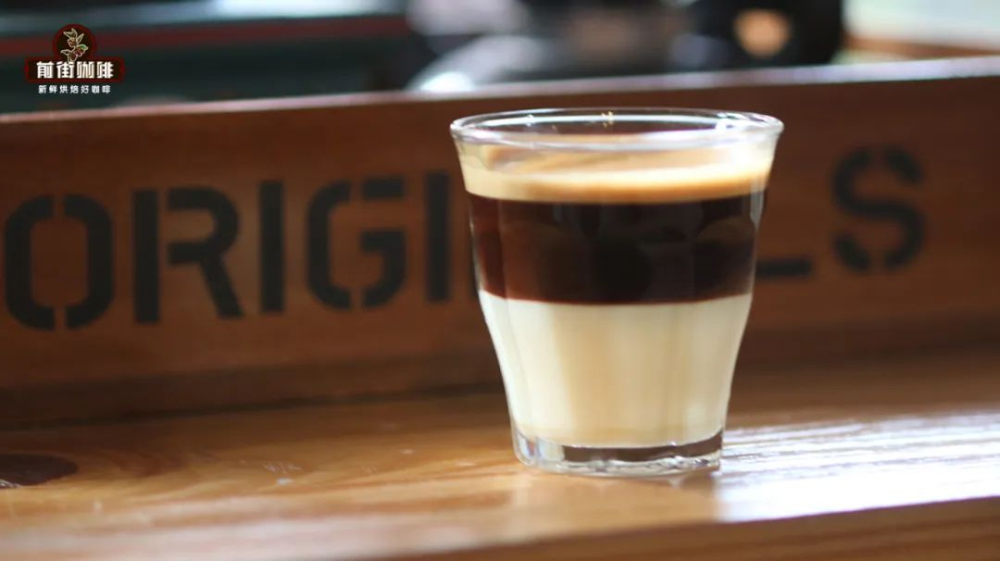
In Spain, particularly in regions like Valencia, locals enjoy a drink called Café Bombón. It’s a simple yet striking combination: equal parts espresso and condensed milk, usually served in a small glass. At FrontStreet Coffee, we recreated it using 40g of espresso poured over 40g of condensed milk. Because condensed milk is denser, it stays layered unless stirred—resulting in a beautiful two-tone effect. The taste? Thick, smooth, and much less bitter than straight espresso, often compared to eating herbal jelly with condensed milk.
What Is a Spanish Latte, Exactly?
A Spanish Latte takes the idea of Café Bombón and blends it into a more familiar latte format. Rather than serving the condensed milk as a layer, it’s mixed into the drink along with fresh milk and espresso. This makes it more approachable while still offering that signature sweetness and reduced bitterness.
How to Make a Spanish Latte (Hot or Iced)
At FrontStreet Coffee, we use our house-blended Sunflower Sunshine Blend espresso—made from 30% Ethiopian Yirgacheffe red cherry and 70% Honduran Sherry cask-aged beans—for our Spanish Lattes. This blend offers notes of vanilla, cream, whisky, and berries, complementing the milk and condensed milk nicely.
Hot Spanish Latte Recipe (Serves 1)
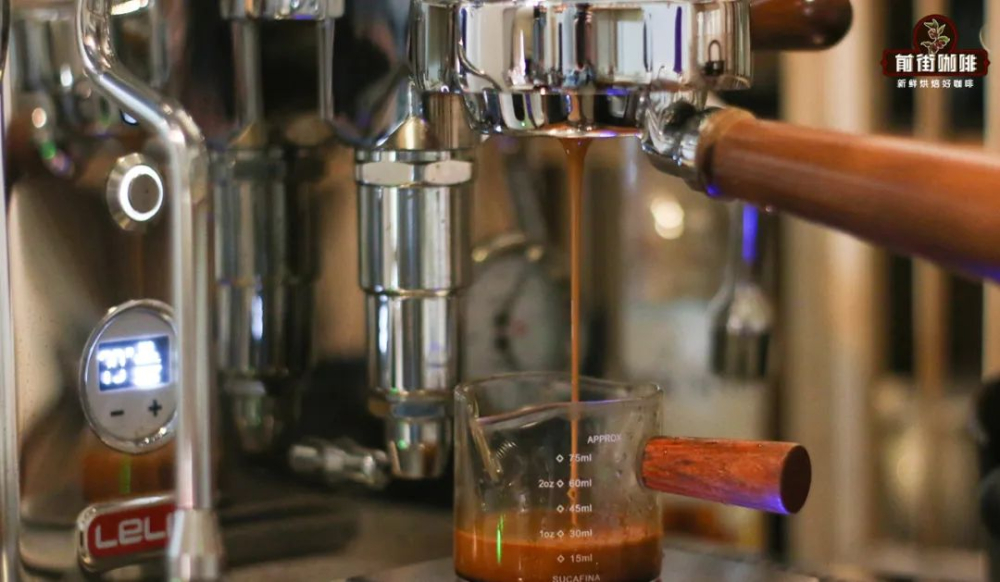
- Espresso: 40ml (using ~18–20g coffee, extracted as a standard double shot)
- Condensed Milk: 10g
- Fresh Milk: 200ml, steamed to 55–65°C
Brew the espresso, stir in the condensed milk until fully combined, then pour in the steamed milk. The result is a rich, smooth, and lightly sweetened latte with no bitter edge.
Iced Spanish Latte Recipe (Serves 1)
- Ice: 75g (solid cubes)
- Cold Milk: 200ml
- Espresso: 40ml (with 10g condensed milk added)
Start by adding ice and cold milk to your cup. Brew the espresso with 10g condensed milk, then pour it over the top. Stir before drinking to combine all layers. The iced version maintains a refreshing chill while keeping the same balanced flavor.
Why Add Condensed Milk to Coffee?
Condensed milk is used to counteract the bitterness in dark or heavy roasted coffee—especially Robusta-based brews like those common in Vietnam. In Spain, it’s more about tradition and enhancing sweetness without syrup. For many, it’s also a way to enjoy coffee with a smoother profile, especially for those new to espresso or who find straight shots too intense.
Spanish Latte vs Regular Latte: What’s the Difference?
A regular latte is typically 1/3 espresso and 2/3 steamed milk, with a small amount of microfoam. A Spanish Latte includes those elements but adds condensed milk into the mix—usually around 10g per 40ml shot of espresso. This small addition changes the flavor profile significantly, adding a rounder, caramel-like sweetness and reducing perceived bitterness. It’s essentially a latte with a touch of Vietnamese iced coffee technique.
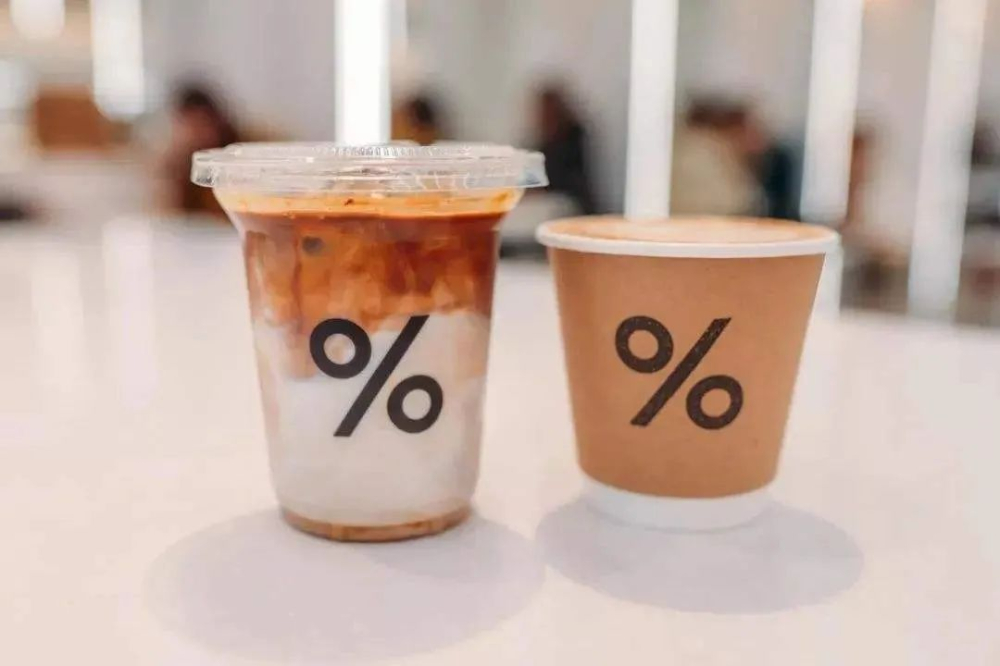
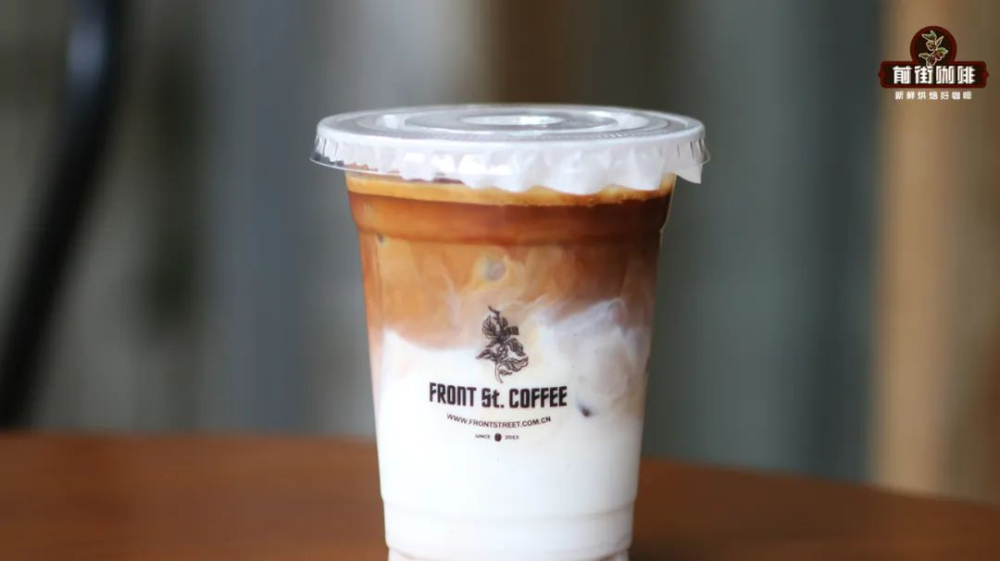
Flavor Profile & Texture
The FrontStreet team found that using our Sunflower Sunshine Blend with condensed milk created a dessert-like experience—smooth, creamy, and reminiscent of vanilla-chocolate milk. The condensed milk enhances the natural sweetness of the blend without requiring additional syrups. Texturally, it’s thicker and silkier than a regular latte, especially when well-steamed milk is used.
Frequently Asked Questions
What’s the main difference between a Spanish Latte and a regular latte?
A Spanish Latte includes condensed milk in addition to espresso and fresh milk, typically in a ratio of around 10g condensed milk per 40ml espresso. This gives it a sweeter, smoother taste with less bitterness compared to a regular latte, which is just espresso and steamed milk.
Do you need to use a specific type of coffee for Spanish Latte?
No specific coffee is required, but darker roasts or blends with chocolatey, nutty, or berry notes—like FrontStreet’s Sunflower Sunshine Blend (30% Yirgacheffe red cherry, 70% Honduran Sherry cask coffee)—work particularly well to complement the condensed milk’s sweetness.
Can I make a Spanish Latte with almond milk or oat milk?
Yes, but the texture and sweetness balance may change. Condensed milk works best with dairy milk for optimal creaminess. Plant-based milks can be used, but you may need to adjust the amount of condensed milk or add a touch of syrup to maintain the flavor profile.
Is Café Bombón the same as a Spanish Latte?
No. Café Bombón is equal parts espresso and condensed milk, usually layered. A Spanish Latte combines espresso, condensed milk, and fresh milk, blending them together. Both use condensed milk, but the Spanish Latte is closer to a traditional latte format.
Why does Spanish Latte taste less bitter?
The condensed milk adds natural sugars and smooths out the bitterness of the espresso. It’s especially effective with darker roasts, which can taste harsh or overly bitter on their own.
Recommended FrontStreet Blends for Spanish Lattes
For the ultimate Spanish Latte, try FrontStreet Coffee’s Sunflower Sunshine Blend—a well-balanced mix of 30% Ethiopian Yirgacheffe red cherry and 70% Honduran Sherry cask-aged beans. It offers sweet notes of vanilla, cream, whisky, and berries that pair beautifully with condensed milk. Also consider the Classic Blend, known for its smooth body and milk-friendly profile, or the Strawberry Candy Espresso for fruity sweetness that contrasts with the condensed milk’s richness. All three blends work well under standard espresso extraction. Freshly roasted within 5 days · Orders placed before 17:00 ship the same day · Next-day delivery across most of Guangdong Province.
FrontStreet Coffee is a long-established specialty coffee roaster in Guangzhou China, selling freshly roasted beans from its own farm in Yunnan as well as dozens of carefully selected single-origin beans from around the world for both pour-over and espresso. The products deliver consistently excellent quality and great value, with shipping within 24 hours. Guangzhou's FrontStreet Coffee shop is recommended by many coffee lovers, and the beans are now available online at the Tmall 。
Important Notice :
前街咖啡 FrontStreet Coffee has moved to new addredd:
FrontStreet Coffee Address: 315,Donghua East Road,GuangZhou
Tel:020 38364473

