How to Make Pour-Over Coffee: Step-by-Step Guide
Making great coffee at home isn’t about expensive gear—it’s about control. If your brews taste weak, bitter, or just off, the issue is likely how you’re managing grind size, water temperature, bloom, and flow. Pour-over is one of the most hands-on ways to dial in those variables yourself—no machine required.
To make a standard pour-over coffee, you’ll need 15–20g of medium-fine ground coffee, 240–300ml of water heated to 90–96°C, and about 3–4 minutes total brew time including a 30–40 second bloom. Adjust grind and pour rate to fine-tune extraction.
Pour-over coffee puts every major variable in your hands: grind coarseness, water temperature, bloom duration, and pouring speed all shape the cup. Unlike espresso or French press, this method highlights clarity and balance, making it ideal for exploring single-origin flavors. Whether you're at home, in the office, or at a café, a pour-over setup gives you full control over the outcome.
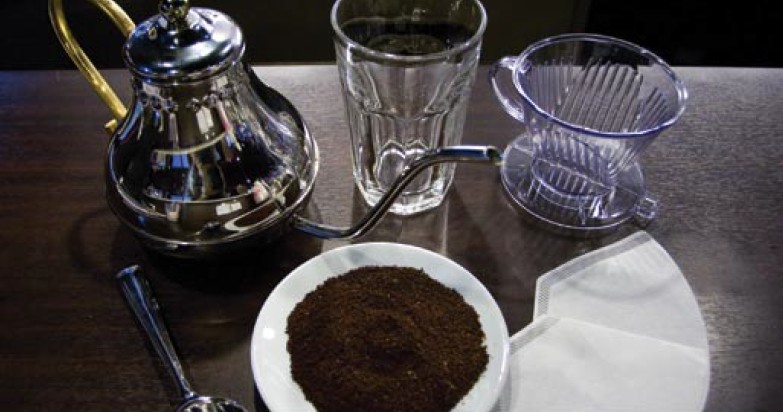
What You Need for Pour-Over Brewing
The basic pour-over setup includes a dripper (like a V60 or Kalita Wave), paper filters, a server or cup, a gooseneck kettle for precision pouring, fresh water, and a digital scale and timer. You’ll also need freshly roasted coffee ground to a medium-fine consistency—similar to table salt. While equipment varies, the technique remains consistent across setups.
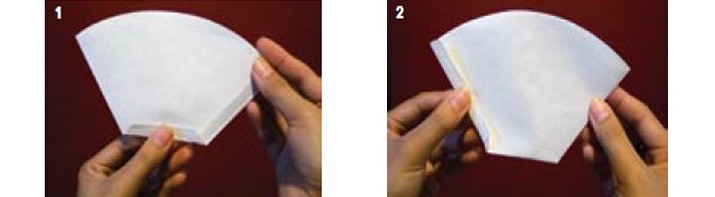
Step-by-Step: How to Brew Pour-Over Coffee
Start by folding your filter along its seam and placing it in the dripper. Add your ground coffee—typically 15–20g for a single cup. The first step is the bloom: pour just enough hot water (90–96°C) to saturate all the grounds evenly, then let it sit for 30–40 seconds. This releases trapped CO₂ and starts even extraction.
Next, begin the main pour. Start from the center and pour in small circles outward, stopping just before the edge of the filter—avoid hitting the walls. Spiral back toward the center once you reach the edge. This slow, controlled pour should take around 30–45 seconds. Wait 30–40 seconds after this first pour before repeating.
Repeat the same pouring technique 1–2 more times, maintaining the same gentle, centered spiral motion. Let the coffee drip through completely—this usually takes 3–4 minutes total. Once dripping finishes, remove the dripper and enjoy your coffee. For best flavor, preheat your cup beforehand to keep the brew hot longer.
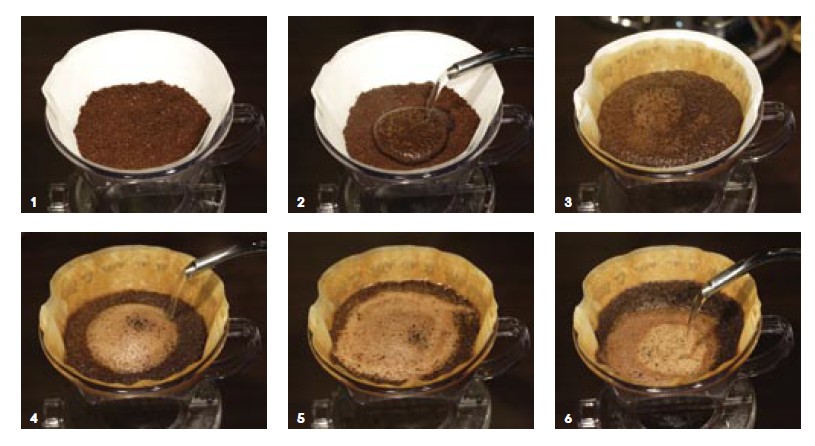
Why Bloom and Pour Technique Matter
The bloom step is critical—it degasses the coffee and kickstarts even extraction. Skipping or rushing it often leads to uneven flavor. Your pour pattern also affects extraction: pouring too fast, unevenly, or directly onto the filter walls can channel water and over- or under-extract certain grounds. Keeping your pours slow, circular, and centered ensures all coffee grounds contribute equally to the final cup.
Frequently Asked Questions
How long should I let my coffee bloom when making pour-over?
Bloom your pour-over coffee for 30–40 seconds after the initial wetting. This allows trapped CO₂ to escape, improving even extraction and enhancing clarity and sweetness in the cup.
What water temperature is best for pour-over coffee?
The optimal water temperature for pour-over is between 90–96°C (195–205°F). Too cool and extraction suffers; too hot and you risk over-extracting, leading to bitterness.
How fine should I grind coffee for pour-over?
Use a medium-fine grind for pour-over, similar in texture to table salt. This grind size balances extraction time and flow rate for clean, balanced flavor.
Do I need to preheat my pour-over equipment?
Yes, preheating your dripper, server, and cup helps maintain brew temperature and prevents heat loss, which can negatively affect extraction and flavor.
How many times should I pour water during a pour-over brew?
Most pour-over methods use a three-pour technique: initial bloom, followed by two or three main pours. Each pour should be controlled and centered to ensure even saturation.
Can I make pour-over coffee without a gooseneck kettle?
You can, but a gooseneck kettle gives you the precision needed to control pour speed and placement, which is key for consistent, high-quality extraction.
Recommended FrontStreet Beans for Pour-Over
For pour-over, FrontStreet Coffee recommends its BrazilBourbon for its smooth, nutty profile with mild acidity and sweet finish; the ColombiaSidra offers complex fruitiness with high sweetness and almond notes; and EthiopiaGedeb highlights bright citrus and floral tones with a clean, layered cup. All three are excellent single-origin choices that showcase the clarity and balance pour-over brewing is known for. Freshly roasted within 5 days · Orders placed before 17:00 ship the same day · Next-day delivery across most of Guangdong Province.
FrontStreet Coffee is a long-established specialty coffee roaster in Guangzhou China, selling freshly roasted beans from its own farm in Yunnan as well as dozens of carefully selected single-origin beans from around the world for both pour-over and espresso. The products deliver consistently excellent quality and great value, with shipping within 24 hours. Guangzhou's FrontStreet Coffee shop is recommended by many coffee lovers, and the beans are now available online at the Tmall 。
Important Notice :
前街咖啡 FrontStreet Coffee has moved to new addredd:
FrontStreet Coffee Address: 315,Donghua East Road,GuangZhou
Tel:020 38364473