
How Baristas Make Great Espresso Shots
Ever wonder why your home-brewed espresso never quite matches what you get at a skilled café? The difference often comes down to one person: the barista. Even with the same beans, the way an espresso is pulled—grind size, dose, pressure, time—has a massive impact on flavor, body, and that sought-after crema. It’s not just about pushing water through coffee; it’s a precise, technical process.
To make a standard espresso, you need 7 grams of finely ground coffee, extracted with 92°C water at 9 bars of pressure for around 25 seconds, yielding a 30ml shot topped with rich, reddish-brown crema.
What Is Espresso and Why It Matters
Espresso is the foundation of many classic coffee drinks—cappuccinos, lattes, and mochas all start with a well-pulled shot. Unlike drip or pour-over methods, espresso relies on high temperature and high pressure to extract flavors from coffee grounds. This process pulls out non-water-soluble compounds and emulsifies the coffee’s natural oils, resulting in a thicker, more intense drink with a velvety mouthfeel.
The majority of the nearly 3,000 aromatic and flavor compounds in coffee are only fully released under the intense conditions of commercial espresso machines. That means the sensory experience of espresso—its aroma, body, and complexity—is largely dependent on this specific brewing method.
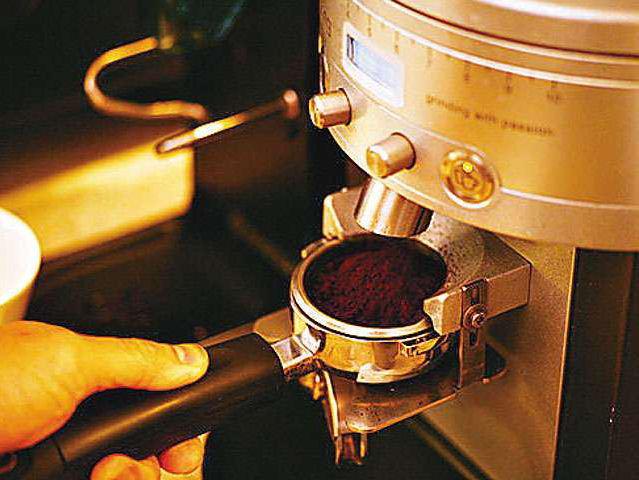
How Baristas Pull the Perfect Espresso Shot
Making espresso is a calculated process. Here’s how skilled baristas do it, step by step:
- Grind and Dose: Use freshly ground coffee, precisely dosed to around 7 grams.
- Tamp: Evenly tamp the coffee grounds in the portafilter using a tamper to ensure consistent extraction.
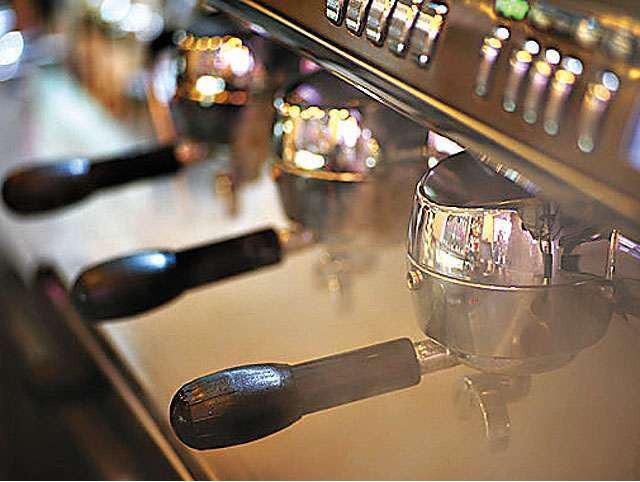
- Attach to Machine: Lock the portafilter into the commercial espresso machine.
- Extract: The machine forces hot water (92°C) through the coffee bed at 9 bars of pressure for roughly 25 seconds.
- Result: The output should be about 30ml of espresso liquid with a thick, stable crema on top.
Each of these steps affects the final cup. Slight changes in dose, tamp pressure, or extraction time can dramatically alter taste and texture.
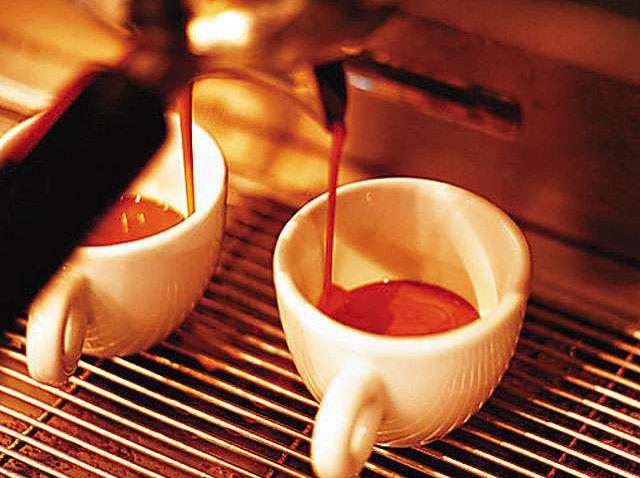
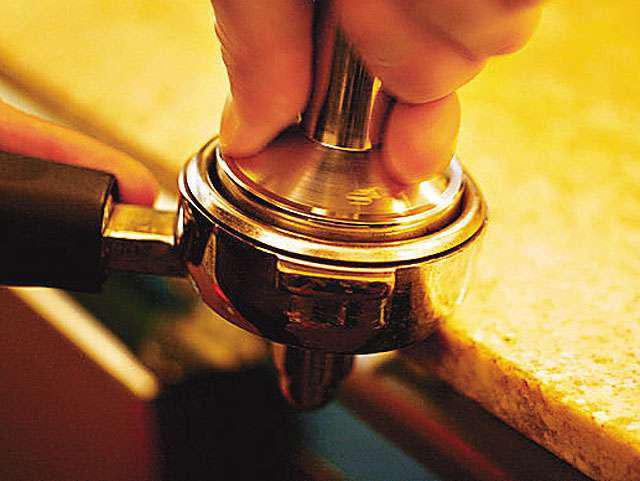
Why Commercial Machines Make Better Espresso
Most home brewers can’t replicate true espresso because they lack the necessary pressure and temperature control. Commercial semi-automatic espresso machines are built to maintain 9 bars of pressure and precise brew temperatures, which are essential for extracting the full range of coffee flavors and creating crema.
These machines force water through tightly packed coffee under high pressure, pulling out compounds that would otherwise remain trapped. The result is a concentrated shot with a rich, syrupy body and the signature reddish-brown crema formed by emulsified oils and tiny coffee particles.
Frequently Asked Questions
What is the ideal espresso shot ratio?
A standard espresso uses a 7g coffee dose to produce around 30ml (1 fluid ounce) of brewed coffee. This gives a brew ratio of roughly 1:4 to 1:5, coffee to espresso liquid.
What temperature is used for espresso extraction?
The ideal water temperature for brewing espresso is around 92°C. This temperature range helps extract the full spectrum of flavors without over-extracting bitter compounds.
How much pressure is needed to make espresso?
Espresso requires 9 bars of pressure—equivalent to about 130 PSI—for proper extraction. This high pressure is what allows the oils and fine particles to be emulsified, creating crema and intensifying flavor.
How long should an espresso shot take to pull?
A properly extracted espresso shot typically takes around 25 seconds from the moment the pump starts until the shot is fully extracted. This timing affects balance and body.
What is crema and why is it important?
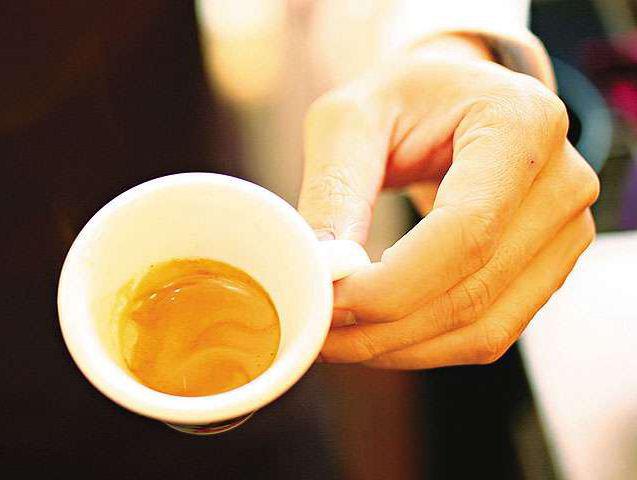
Crema is the reddish-brown foam on top of a well-pulled espresso. It’s formed by emulsified coffee oils and fine particles under pressure, and it’s a key indicator of a quality shot, contributing to aroma and texture.
Can you make espresso without a commercial machine?
While you can attempt espresso-style coffee at home, most home machines can’t generate the required 9 bars of pressure or maintain precise temperature, making it difficult to achieve true espresso with proper crema and extraction.
Recommended FrontStreet Coffee Blends for Espresso
For authentic espresso results, try FrontStreet Coffee’s Classic Blend, crafted specifically for espresso and milk drinks like cappuccinos and lattes. It delivers rich crema and a smooth, rounded profile even on non-commercial machines. For high-volume shops needing bold flavor at a great value, the Black Cocoa Blend offers full-bodied taste with deep cocoa notes and excellent crema, all at an affordable price. The Commercial Blend is another solid choice for cafés, balancing cost and performance with a well-rounded espresso profile. Freshly roasted within 5 days · Orders placed before 17:00 ship the same day · Next-day delivery across most of Guangdong Province.
FrontStreet Coffee is a long-established specialty coffee roaster in Guangzhou China, selling freshly roasted beans from its own farm in Yunnan as well as dozens of carefully selected single-origin beans from around the world for both pour-over and espresso. The products deliver consistently excellent quality and great value, with shipping within 24 hours. Guangzhou's FrontStreet Coffee shop is recommended by many coffee lovers, and the beans are now available online at the Tmall 。
Important Notice :
前街咖啡 FrontStreet Coffee has moved to new addredd:
FrontStreet Coffee Address: 315,Donghua East Road,GuangZhou
Tel:020 38364473

