Will the rise in temperature caused by global warming affect the yield and quality of coffee beans in Colombia?
Professional coffee knowledge exchange more coffee bean information please follow the coffee workshop (Wechat official account cafe_style)
With global warming, Colombia, the world's third largest coffee producer, will face the challenge of climate change. According to a study by the University of Illinois in the United States, Colombia's "low-altitude areas" may not be able to grow coffee.
Coffee is widely cultivated in Colombia, where 550000 families depend directly on coffee production for their livelihood, while many families indirectly rely on coffee production for their livelihood. As a result of climate change, temperatures will continue to warm up in the future, and coffee growers are beginning to worry about Colombian coffee production in the coming decades.
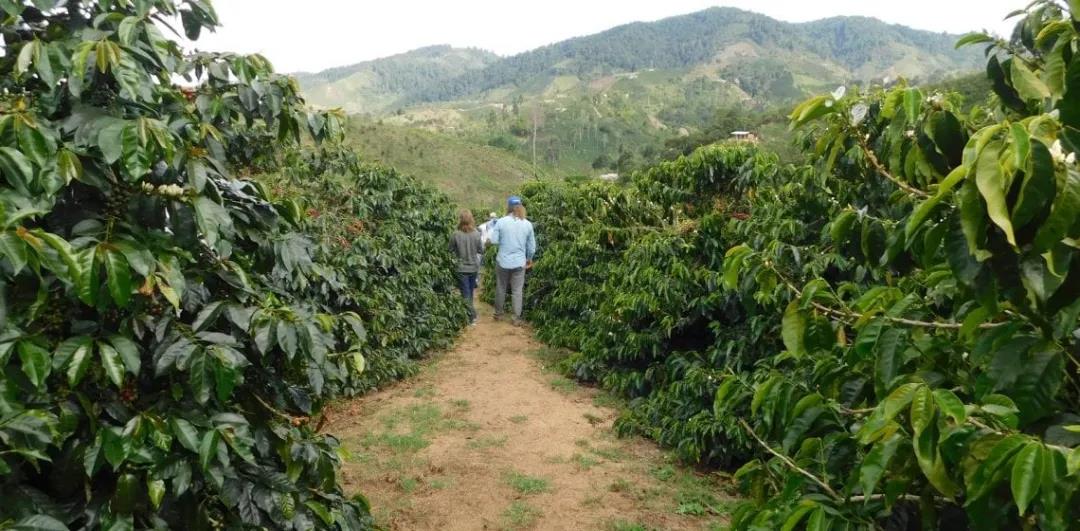
Coffee trees are very sensitive to changes in temperature, and studies estimate that when the temperature rises by 2 ℃, the loss rate of coffee production in Mexico and Brazil is as high as 34% and 20%, respectively. For Colombia, coffee production will increase by 4 to 24 per cent with a temperature rise of no more than 2 ◦ C, but the increase will only occur in areas above 1500 metres above sea level. (the high altitude area mentioned below refers to more than 1500 meters, and the low altitude area refers to less than 1500m)
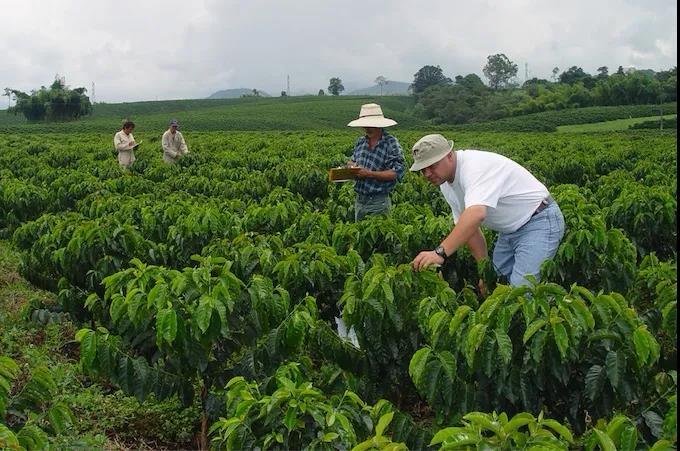
Sandy Dall'Erba, director of the University of Illinois Regional Economic Application Laboratory (REAL), says Colombia is a big coffee grower with a unique geography, with the Andes straddling the country from southwest to northeast. At present, coffee is grown at different elevations in the country, but because of the impact of climate change, the yield at low and high elevations will be very different.
Sandy Daleba and the team of researchers analyzed the climate and coffee production across Colombia. They worked with 521 coffee plantations in Colombia, where at least one hectare of Arabica coffee production data were continuously registered between 2007 and 2013 to assess the effects of temperature and precipitation on Colombian coffee production. The laboratory then made forecasts for the weather in Colombia from 2042 to 2061 and the future coffee production in each producing area.
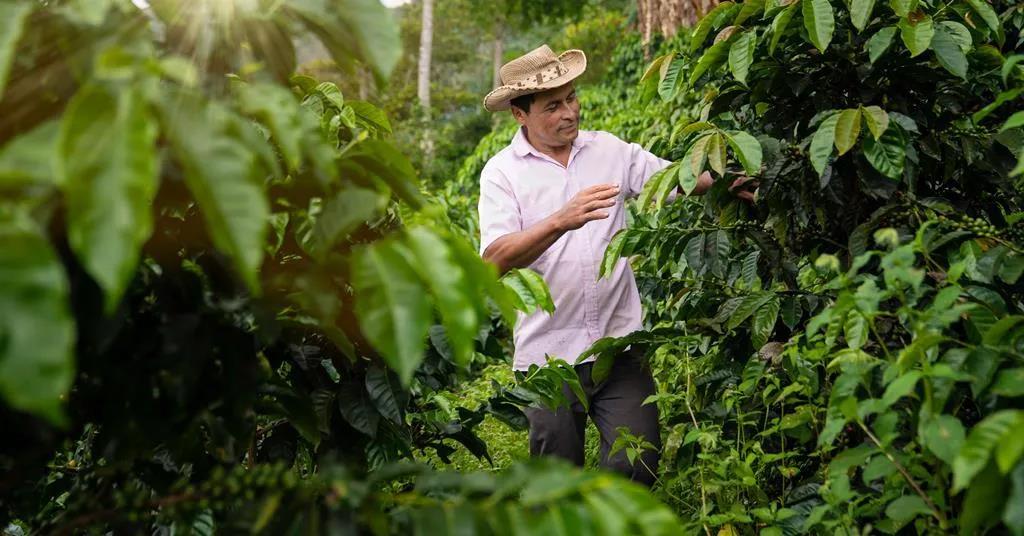
Forecast data show that Colombia's national coffee productivity will increase by 7.6% by 2061. But this forecast covers a wide range of spatial differences, ranging from a 16 per cent increase in production at high elevations to an 8.1 per cent reduction in yields at low elevations. The researchers found that rising temperatures benefit coffee at high altitudes, which are more suitable for growing coffee. On the other hand, the low altitude areas will only become hotter and drier, which is very disadvantageous to the planting of coffee trees.
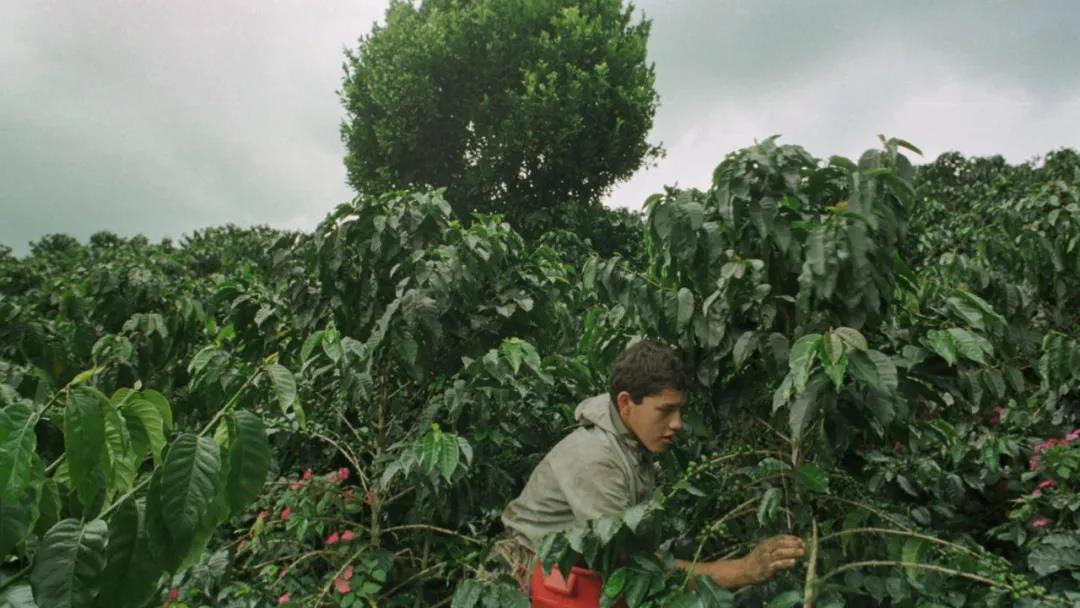
Fortunately, Colombian boutique coffee is concentrated above 1500m above sea level, which is good news for growers at high altitudes. However, the families mentioned above who directly rely on coffee production for their livelihood are mainly concentrated in the producing areas below 1500m. For them, although they can try to move to higher altitude areas to continue to grow, the cost will be very expensive. For growers in low altitude areas, they may not be able to use this sum of money for migration. If the future temperature rise does have an impact on coffee cultivation at low elevations, they may abandon coffee trees and choose other crops. It is not certain whether Colombian coffee production will be so optimistic in the coming decades. After all, no one can tell about climate change.
Finally, there is the sentence: "it is everyone's responsibility to protect the environment."
For more boutique coffee beans, please add private Qianjie coffee on Wechat. WeChat account: kaixinguoguo0925
FrontStreet Coffee is a long-established specialty coffee roaster in Guangzhou China, selling freshly roasted beans from its own farm in Yunnan as well as dozens of carefully selected single-origin beans from around the world for both pour-over and espresso. The products deliver consistently excellent quality and great value, with shipping within 24 hours. Guangzhou's FrontStreet Coffee shop is recommended by many coffee lovers, and the beans are now available online at the Tmall 。
Important Notice :
前街咖啡 FrontStreet Coffee has moved to new addredd:
FrontStreet Coffee Address: 315,Donghua East Road,GuangZhou
Tel:020 38364473