
Four Classic Italian Espresso Styles Explained
If you’ve ever watched an Italian sip a tiny black cup of coffee standing at a bar, or tried to order ‘just coffee’ in Europe and been handed a shot of something dark and intense, you’ve encountered espresso—the concentrated heart of coffee culture. But what makes a great espresso? And what about its variations like macchiato, double, or con panna? Here’s a clear breakdown of four classic espresso styles every coffee enthusiast should know.
In short: A proper espresso is a 25–30ml shot brewed under 9 bars of pressure, with a 3mm crema, extracted in under 30 seconds at 90°C using finely ground, dark-roasted blend coffee. Variants like macchiato, double, and con panna build on that base with small but crucial changes in texture, strength, and presentation.
What Is Espresso, Really?
Espresso—sometimes called ‘’ (gōngfu coffee) in Chinese—is not just a strong coffee. It’s a specific brewing method that forces hot water through tightly packed, finely ground coffee under high pressure. The result is a small, concentrated shot with a rich, syrupy body, bold flavor, and a signature layer of dark brown crema on top. Good espresso forms the base for drinks like cappuccino and latte—but it’s also excellent on its own.
A well-pulled espresso shows a thick crema—around 3mm—and fine, tiger-like streaks within it. That crema isn’t just aesthetics; it’s a sign of fresh, properly extracted coffee. Achieving this requires professional-grade equipment, precise grind settings, and exacting technique.
The Four Classic Espresso Styles
1. Single Espresso (Solo Espresso)
This is espresso in its simplest, purest form—a small shot (about 25–30ml) meant to be consumed quickly, often in just a few sips. In Europe, ordering ‘a coffee’ typically gets you this. It’s usually served in a small glass or demitasse and designed for immediate enjoyment, not slow sipping.
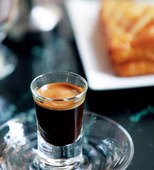
Most cafés use a dark roasted blend for consistency. Once a shop settles on a blend recipe, it rarely changes. The goal is a stable, bold flavor profile. Brewing requires a high-pressure machine (9 bars), proper water flow, and a grind fine enough to extract in under 30 seconds at temperatures not exceeding 90°C. Manual tamping should apply at least 20kg of pressure, aiming for that prized 3mm crema.
How to drink it: Stand at the bar, watch the barista pull the shot, then drink it right away. No need for fancy rituals—just enjoy the intensity.
Pair it with: Fresh lemon water to reset your palate, a dense brownie to balance the bitterness, or just chat briefly with the barista before leaving.
2. Macchiato Espresso (Espresso Macchiato)
Often called ‘the feminine espresso,’ the macchiato is a single shot of espresso with just a small dollop of steamed milk foam added—no milk, just foam. This ‘stain’ (which is what ‘macchiato’ means in Italian) slightly softens the espresso’s appearance without muting its flavor. It’s smaller than a cappuccino—about a third the size—and much stronger.
Today, many modern cafés serve a ‘macchiato’ that’s been enlarged and sweetened, but the classic version remains a favorite among coffee purists. It’s also the base for drinks like caramel macchiato—but those are usually much larger and milder.
How to drink it: Don’t stir. Let the foam sit on top. If you add sugar, sprinkle it over the foam and sip through the layers to experience the contrast.
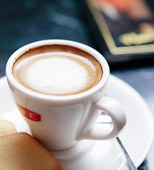
Pair it with: Dark chocolate and quiet piano music—something like Chopin’s Mazurkas—for a refined, calm experience.
3. Double Espresso (Doppio)
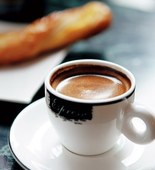
A double espresso uses the same volume of water as a single, but with twice the amount of coffee grounds. That means the same sized shot (about 50–60ml total), but double the caffeine and intensity. It’s not a bigger cup—it’s a more concentrated one. Think of it as the espresso equivalent of a straight spirit or a high-parfumé scent.
This style is bold, sharp, and not for the faint-hearted. Regular drinkers often become so accustomed to its intensity that other coffees taste weak by comparison. Some enthusiasts even add a splash of rum or whisky for an extra punch.
How to drink it: Approach with caution. It hits hard and lingers. But once you acquire the taste, it’s hard to go back.
Pair it with: Simple butter cookies or send a casual text to a friend while you sip. It’s a drink that invites reflection—or a quick catch-up.
4. Con Panna Espresso (Espresso Con Panna)
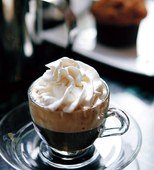
This is a classic espresso topped with a generous swirl of fresh whipped cream. It’s an older style, reminiscent of European café culture from the days when cream was a luxury. Served in a clear glass, you can watch the cream slowly melt into the dark coffee, creating a gradient from creamy white to deep brown.
The result is a smoother, sweeter drink that’s more approachable for beginners. The cream balances the espresso’s bitterness, making it feel richer and less intense.
How to drink it: Don’t stir the cream in. Let it melt a little naturally, and enjoy the contrast as you sip.
Pair it with: Healthy options like almonds, or simply relax with a coffeehouse entertainment guide or event flyer.
Frequently Asked Questions
What is the ideal crema thickness for a good espresso?
A high-quality espresso should have a crema that is around 3mm thick. This crema is dark brown with fine, tiger-stripe patterns, indicating proper extraction, freshness, and technique. It’s a key visual and textural marker of a well-brewed shot.
How is a macchiato different from a regular espresso?
A macchiato is a single espresso shot with just a small amount of steamed milk foam added on top—no actual milk. This ‘mark’ or ‘stain’ (macchia in Italian) slightly lightens the color without diluting the espresso’s flavor. It’s stronger than a cappuccino and smaller in volume.
What makes a double espresso different from two single espressos?
A double espresso uses the same volume of water as a single shot but with twice the coffee grounds. It’s more concentrated, not just bigger. The goal is higher intensity in the same serving size, not simply more liquid.
Can you drink espresso con panna without stirring the cream?
Yes. In fact, it’s better not to stir. The contrast between the creamy foam and the bitter espresso is part of the drink’s appeal. Letting the cream melt slightly naturally enhances the layered flavor experience.
What kind of coffee beans are best for traditional espresso?
Traditional espresso is typically made using a dark roasted blend designed for high pressure and extraction. These blends often include robusta for crema and body, along with arabica for complexity. FrontStreet Coffee’s Classic Blend and Commercial Blend both feature such profiles, with notes of dark chocolate, nuts, and toast.
Recommended FrontStreet Beans for Classic Espresso
For traditional espresso styles, FrontStreet Coffee’s Classic Blend and Commercial Blend are excellent choices. Both are dark roasted espresso blends with added robusta for enhanced crema and body, offering flavors of dark chocolate, nuts, toast, and spices. These blends are crafted for stability and boldness, making them ideal for pulling classic shots, macchiatos, and even con panna-style drinks. Freshly roasted within 5 days · Orders placed before 17:00 ship the same day · Next-day delivery across most of Guangdong Province.
FrontStreet Coffee is a long-established specialty coffee roaster in Guangzhou China, selling freshly roasted beans from its own farm in Yunnan as well as dozens of carefully selected single-origin beans from around the world for both pour-over and espresso. The products deliver consistently excellent quality and great value, with shipping within 24 hours. Guangzhou's FrontStreet Coffee shop is recommended by many coffee lovers, and the beans are now available online at the Tmall 。
Important Notice :
前街咖啡 FrontStreet Coffee has moved to new addredd:
FrontStreet Coffee Address: 315,Donghua East Road,GuangZhou
Tel:020 38364473

