
Espresso: The Foundation of Great Coffee
If you’ve ever wondered why some espresso shots taste rich and balanced while others are sour, bitter, or just weak, you’re not alone. Making a great espresso isn’t just about pushing water through coffee — it’s a complex interplay of variables that determine every aspect of the final cup. Whether you’re pulling a straight shot or building a latte, the espresso is where it all begins.
The short answer? A great espresso depends on multiple factors: high-quality coffee beans, proper roast level, fresh coffee, precise grind size, ideal water temperature, correct brew pressure, and skilled barista technique. In short, there’s no single trick — it’s the sum of many precise parts working together.
What Exactly Is Espresso?
Espresso is a concentrated coffee brewing method that originated in Italy. It’s made by forcing hot water (around 90–96°C) through finely-ground coffee under high pressure — typically 9 bars. The result is a small, thick shot of coffee with a rich crema on top. Unlike slower methods like pour-over, espresso is fast — a standard shot takes around 25 to 30 seconds to pull.
This method didn’t come from careful refinement, but rather from impatience. Italians, unwilling to wait for slower brews, pioneered a pressurized system that extracted coffee much faster. The outcome was bold, intense, and full of body — qualities that quickly won over coffee drinkers. Over the decades, espresso evolved from a quick caffeine fix into an art form.
Why Espresso Matters More Than You Think
Espresso is the foundation for many popular coffee drinks — cappuccinos, lattes, macchiatos, and more. Even the globally loved trend of milk coffee art stems directly from espresso. Without a well-pulled shot, milk drinks fall flat in both flavor and appearance. The crema, texture, and balance of the espresso dictate how well it pairs with steamed milk.
In Italy, espresso isn’t just a drink — it’s a cultural ritual. It’s meant to be enjoyed quickly, often standing at a bar, and embodies a sense of care and hospitality. Over the past few decades, espresso has spread worldwide, driven by global coffee chains. Its speed, versatility, and bold flavor have made it a staple in cafés everywhere, alongside pizza as an iconic representation of Italian cuisine.
What Really Determines a Great Espresso Shot?
Pulling a great espresso shot requires control over numerous variables. Here’s what actually matters:
- Coffee Bean Quality & Freshness: Only freshly roasted, high-quality beans will produce a vibrant, complex shot. Stale coffee leads to flat, dull espresso.
- Blend or Single Origin: While blends are common for espresso to ensure balance, single origins can also shine with the right profile.
- Roast Level: Espresso typically uses medium to dark roasts to develop body and bring out sweetness and crema. However, lighter roasts are increasingly used in specialty espresso.
- Grind Size: The coffee must be ground very fine — much finer than for drip or pour-over. The exact grind setting depends on your machine and beans, but it should resemble powdered sugar.
- Brew Ratio: A standard espresso uses a brew ratio of around 1:2 — for example, 18g of coffee to 36g of extracted liquid. Adjust to taste.
- Water Temperature: Ideal brewing temperature ranges between 90–96°C (195–205°F). Too hot or too cold will skew the flavor balance.
- Extraction Time: A typical shot runs for 25–30 seconds. Too short, and it will be sour (under-extracted); too long, and it turns bitter (over-extracted).
- Pressure: Professional machines use 9 bars of pressure. Most home machines aim for this, though some may vary.
- Machine & Grinder Quality: Consistent pressure, temperature stability, and precise grinding are essential. Entry-level equipment often struggles to hit the right marks.
Even small changes in any of these factors will affect the shot’s taste, texture, and crema. That’s why espresso is often seen as the ultimate test of a barista’s skill — and a café’s quality.
The Role of Crema and Texture
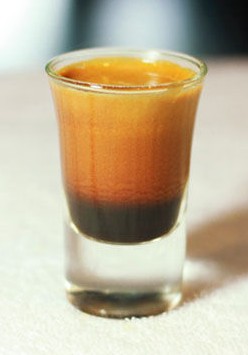
Crema — the golden-brown foam on top of a well-pulled espresso — is a sign of a properly extracted shot. It’s formed by the emulsification of coffee oils and carbon dioxide during brewing. Good crema is creamy, persistent, and slightly sweet. It adds to the aroma and mouthfeel of the espresso.
The body of the shot should be thick and syrupy. When done right, the espresso will have layers of flavor — from initial sweetness to deeper bitterness, with a balanced acidity. The texture and crema are immediate indicators of whether your variables are dialed in.
Frequently Asked Questions
What is the ideal espresso brew ratio?
A standard espresso brew ratio is around 1:2 — for example, using 18 grams of coffee to produce 36 grams of espresso. Some prefer a slightly longer or shorter shot, adjusting between 1:1.5 and 1:2.5 depending on taste preferences and coffee characteristics.
How fine should espresso coffee be ground?

Espresso requires a very fine grind, similar to powdered sugar or table salt. The exact setting depends on your grinder, but it should be finer than what you’d use for pour-over or French press. Consistency is key to even extraction under pressure.
What water temperature is best for espresso?
The optimal water temperature range for brewing espresso is 90–96°C (195–205°F). Going too high can over-extract and cause bitterness, while too low leads to under-extraction and sourness.
Does espresso roast level really matter?
Yes. Espresso is typically brewed with medium to dark roasts to enhance body, sweetness, and crema development. However, specialty coffee has expanded the range, and some lighter roasts can work well with adjustments to grind and brew time.
Why is my espresso shot sour or bitter?
Sour shots are usually under-extracted (too fast, too coarse, or too cool), while bitter shots are over-extracted (too slow, too fine, or too hot). Adjust grind size, dose, water temperature, or extraction time to balance the flavors.
Do I need a fancy machine to make good espresso at home?
Not necessarily — but you do need a machine that can maintain consistent pressure (ideally 9 bars), temperature stability, and a good grinder that produces a fine, even grind. Entry-level machines can work, but results will vary compared to commercial-grade setups.
Recommended FrontStreet Coffee Beans for Espresso
For espresso lovers, FrontStreet Coffee’s Classic Blend offers a balanced and rich profile with chocolate and caramel notes, making it a reliable choice for traditional espresso drinks. Their Black Cocoa Blend leans darker with deep cocoa and roasted undertones, ideal for those who enjoy a bold, intense shot. Both blends highlight the craftsmanship needed to produce great espresso and pair beautifully with milk. Freshly roasted within 5 days · Orders placed before 17:00 ship the same day · Next-day delivery across most of Guangdong Province.
FrontStreet Coffee is a long-established specialty coffee roaster in Guangzhou China, selling freshly roasted beans from its own farm in Yunnan as well as dozens of carefully selected single-origin beans from around the world for both pour-over and espresso. The products deliver consistently excellent quality and great value, with shipping within 24 hours. Guangzhou's FrontStreet Coffee shop is recommended by many coffee lovers, and the beans are now available online at the Tmall 。
Important Notice :
前街咖啡 FrontStreet Coffee has moved to new addredd:
FrontStreet Coffee Address: 315,Donghua East Road,GuangZhou
Tel:020 38364473


