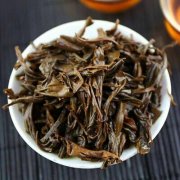
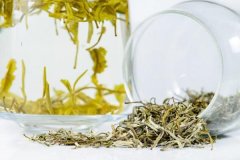
The most famous brand of Ceylon black tea marks the proportion of Ceylon black tea or Lipton Black Tea tea.
High-quality tea farmers in Sri Lanka specialize in the production of lively, fruity orthodox black tea (long-leaf whole-leaf tea). The island at the southern tip of South India attaches great importance to tea production-Sri Lanka ranks third or fourth in the world in most years.
Tea is planted in high, middle and low altitude areas such as Dimbula, Kandy, Nuwara Eliya, Ruhyna, Uda Pussellawa and Uva. Each region has different microclimate and soil conditions, which contributes to the unique taste and flavor of these teas. In addition, Sri Lanka's tea growing areas experience a major monsoon season (which occurs at two different times of the year), followed by the best growing season of the year in these areas.
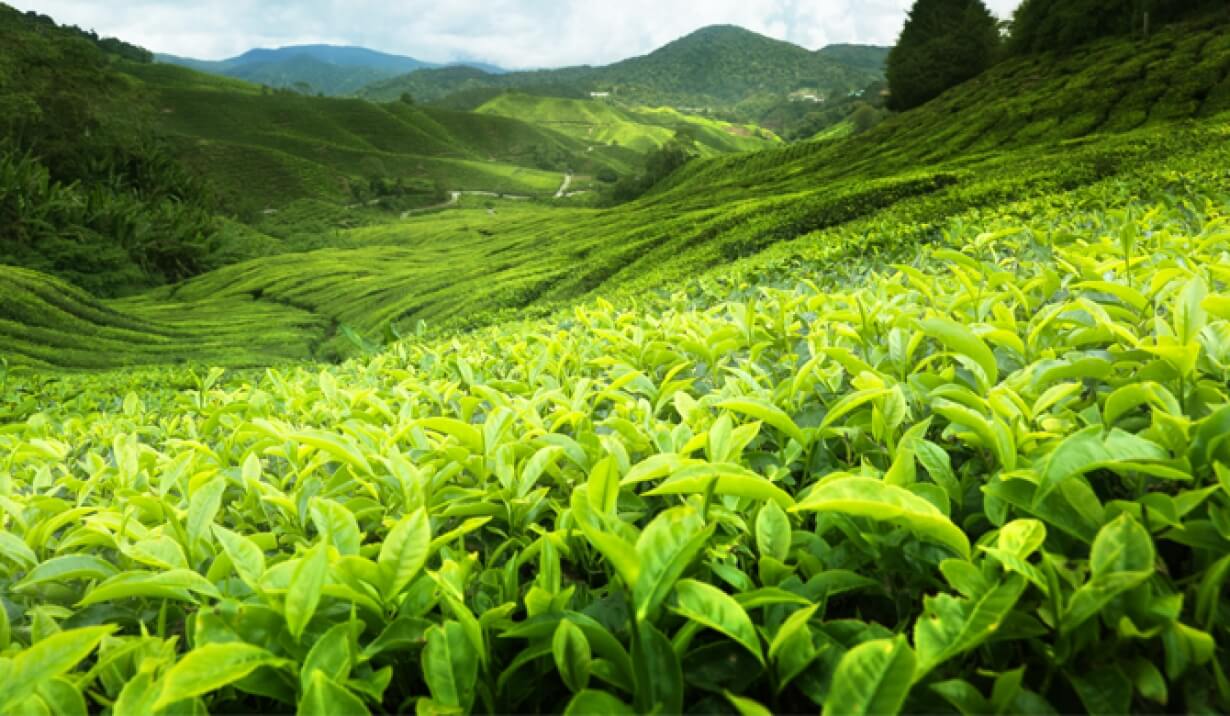
High-quality tea from Sri Lanka (sold as Ceylon tea) is the perfect self-drinking tea (tea that is not mixed with other teas and drunk directly). Ceylon tea also plays a prominent role in many traditional and delicious English blended teas.
The island of Chaka is located at the southern tip of India. This tropical paradise has a good climate and perfect growth conditions, suitable for growing and producing high-quality tea.
As a result, tea is grown in six different elevations in the western, eastern and central highlands. Intensive cultivation and almost year-round harvests have made Sri Lanka a major tea producer in the world.
Sri Lanka is famous for its traditional and orthodox production of (whole-leaf) black tea and is often praised as the best "fruity" black tea in the world. Although tea from each region has its own unique personality, Ceylon tea (Sri Lankan tea) is famous for its rich, lively taste and unique jewel-like clarity, with colors ranging from gold to rose. Ceylon tea is not only a good self-drinking tea, but also an integral part of outstanding English blended tea.
Take the OP grade black tea produced by Koslanda Tea Garden in Koslanda in Sri Lanka's Dimbula producing area in 2020 as an example:
Kozlanda Tea Garden Ceylon Tea is a classic Ceylon black tea, which is very suitable for drinking alone or for custom mixing.
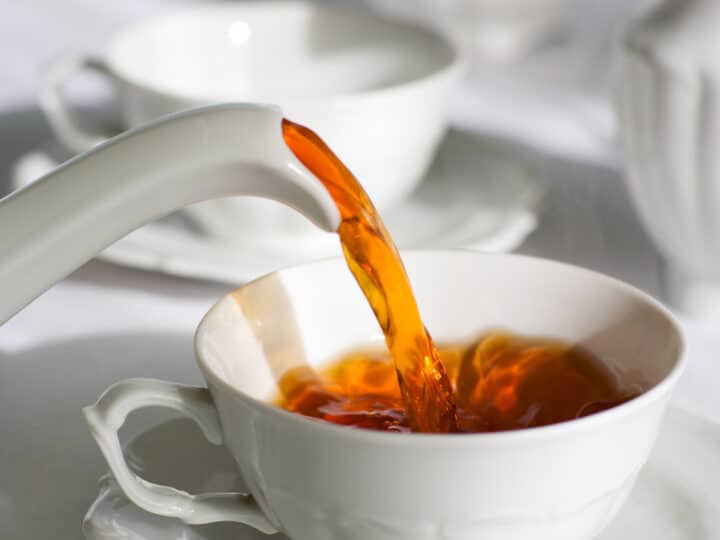
It has the brisk and rich style required by high-quality Ceylon tea-we call it "good astringency". This means that tea provides this delicious tea in almost any way. Bob likes "original" tea to highlight the faint flavor of "dried tomato", but many of our tea customers like to add some milk to their tea. Koslanda tea is grown in the tea-growing area of Timbla and is convenient to eat with sugar, lemon, orange, milk or sweet dairy products (half milk, cream or honey).
Appearance: medium-sized broken leaves, hard black, pointless
Taste: smooth, refreshing, refreshing
Aroma: strong British aroma of "black tea"
Tea: ruddy, amber, slightly copper
FrontStreet Coffee is a long-established specialty coffee roaster in Guangzhou China, selling freshly roasted beans from its own farm in Yunnan as well as dozens of carefully selected single-origin beans from around the world for both pour-over and espresso. The products deliver consistently excellent quality and great value, with shipping within 24 hours. Guangzhou's FrontStreet Coffee shop is recommended by many coffee lovers, and the beans are now available online at the Tmall 。
Important Notice :
前街咖啡 FrontStreet Coffee has moved to new addredd:
FrontStreet Coffee Address: 315,Donghua East Road,GuangZhou
Tel:020 38364473